Leather ottomans add a touch of luxury and durability to living spaces, but they require proper care to maintain their look and feel. This guide provides practical, step-by-step methods using common leather care products to keep a leather ottoman clean, conditioned, and protected from wear.
Quick Answer
Identify the leather type, test cleaners in a hidden spot, use a dedicated leather cleaner, wipe with a soft cloth, and finish with a leather conditioner. For tough stains, repeat gently and avoid soaking the material.
What You’ll Need
- Leather ottoman cleaner kit
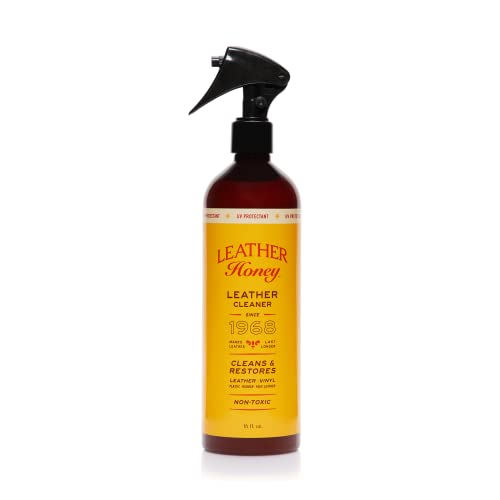
- Leather cleaner for furniture spray 12oz
- Microfiber cloth for leather furniture cleaning
- Leather conditioner balm for furniture ottoman
- Soft bristle brush for leather upholstery cleaning


Before You Start
Before cleaning, remove loose debris with a dry microfiber cloth. Perform a spot test in an inconspicuous area of the ottoman to ensure the cleaner does not discolor or damage the leather. Work in a well-ventilated area and use gentle, circular motions. Allow the surface to dry completely before applying conditioner. Safety note: Avoid harsh household cleaners, ammonia-based solutions, or alcohol on leather, as these can dry or fade the finish.
Step-By-Step: How To Clean Leather Ottoman
- Dust the ottoman with a microfiber cloth to remove surface debris.
- Apply a small amount of leather cleaner to the microfiber cloth or cleaner sponge, not directly on the leather.
- Gently wipe the surface with circular motions, focusing on stained or soiled areas.
- For textured areas or seams, use a soft bristle brush to lift dirt without scratching the leather.
- Wipe away residue with a clean, slightly damp microfiber cloth; avoid soaking the leather.
- Let the ottoman air-dry completely in a shaded area away from direct heat or sunlight.
- Apply a leather conditioner balm to restore moisture and create a protective sheen; follow product directions.
- Buff lightly with a dry microfiber cloth to remove any excess conditioner and even out the finish.
- Inspect the surface for remaining stains and repeat with caution if needed.
- Refrain from placing heavy objects on the ottoman for several hours after cleaning to prevent indentations.
- Regular maintenance: clean monthly and condition every 3–6 months depending on usage and leather type.
- Store cleaning products in a cool, dry place out of reach of children and pets.
Troubleshooting
| Symptom | Likely Cause | Fix | Prevention |
|---|---|---|---|
| Sticky residue after cleaning | Over-application of cleaner | Wipe with a damp cloth to remove residue, then dry | Use less cleaner in a controlled amount |
| Color transfer or fading | Harsh cleaner or direct sun exposure | Cease use of problematic products; use proper leather cleaner and condition | Test first; keep away from sunlight |
| Leather feels dry or crackled | Firm leather or infrequent conditioning | Apply conditioner balm and rub evenly | Condition on a regular schedule |
| Stains reappearing after drying | Stain not fully removed | Repeat cleaning with gentler technique | Address stains promptly |
Common Mistakes
- Using household cleaners not designed for leather
- Soaking leather with excessive moisture
- Ignoring test patches, leading to discoloration
- Over-waxing or over-conditioning, which can clog pores
- Cleaning hot or direct sunlight-exposed leather
Tips For Best Results
- Always test a small hidden area before full cleaning.
- Use a dedicated leather cleaner spray for even coverage and easier application.
- Choose a conditioner balm formulated for furniture leather to restore moisture without buildup.
- For frequent use, consider a weekly light wipe with a damp microfiber cloth to prevent grime accumulation.
- Store cleaners in their original containers, labeled, and away from children.
Call A Professional
Contact a professional if the ottoman shows extensive cracking, color loss, severe staining, or if the leather is antique or valuable. Seek expert advice for fragile or distressed finishes to avoid irreversible damage.
FAQ
What is the best way to clean an oily stain from leather?
Blot the area gently with a clean cloth, then apply a small amount of leather cleaner and wipe in a circular motion. Repeat as needed with patience.
Can I use the same cleaner on all types of leather?
Most leather cleaners are formulated for common hides, but always check the label for compatibility with your leather type.
How often should I condition leather furniture?
Condition every 3–6 months, or more frequently if the environment is dry or the leather shows signs of wear.
Is a microfiber cloth enough to maintain leather ottomans?
Yes, a microfiber cloth is effective for routine cleansing, especially when used with a dedicated leather cleaner.
What should I do about water rings or spills?
Blot immediately, wipe with a damp cloth if needed, and apply conditioner after the surface has dried to restore moisture.
Buying Guide
When selecting leather care products for a leather ottoman, consider factors like size, composition, and finish of the leather, as well as the cleaning ritual you prefer. Key buying considerations include:
- <bLeather ottoman cleaner kit compatibility with your ottoman’s leather type and finish.
- <bLeather cleaner for furniture spray 12oz for convenient spray application and coverage area.
- Microfiber cloth for leather furniture cleaning a soft, lint-free tool essential for safe cleaning and buffing.
- Leather conditioner balm for furniture ottoman to restore moisture and protect the surface after cleaning.
- Soft bristle brush for leather upholstery cleaning to gently lift embedded dirt from seams and textures.
Size matters: choose products sized for your ottoman’s surface area and your cleaning frequency. Noise and convenience are practical considerations for spray bottles and brush sets in households with children or pets. Check energy and storage implications only if you plan to keep multiple care products. Consider a holistic approach: a cleaning routine paired with conditioning helps extend the life of leather surfaces without compromising appearance. If unsure, starting with a basic kit and expanding as needed can simplify decisions while maintaining results.