Maintaining clean latex paint walls can extend their life and keep rooms looking fresh. This guide outlines practical steps, the right tools, and common mistakes to avoid when cleaning painted interior walls in American homes.
Quick Answer
Gentle first, then targeted scrubbing. Start with a soft microfiber cloth or sponge and mild detergent. For tougher marks, use a non-scratch sponge or nylon brush, then wipe dry. Always test a small area first and work in a consistent pattern from top to bottom.
What You’ll Need
- Melamine sponge magic eraser for walls
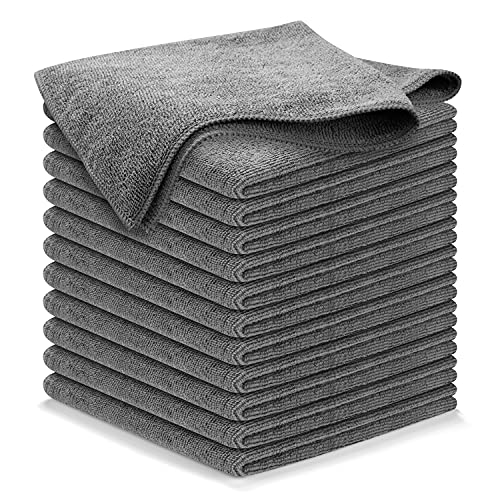
- Microfiber wall cleaning cloths 12 pack
- Stiff nylon scrub brush for latex paint walls
- Extendable wall cleaning mop with microfiber pad
- Painted-wall cleaning sponge set non-scratch


Before You Start
Before cleaning, move furniture away from walls and lay down drop cloths or old towels to catch drips. Check for any damaged or peeling paint; cleaning can reveal issues that require touch-up. Use warm water and a small amount of mild dish soap for most stains. Avoid abrasive materials and harsh chemicals that can dull or remove paint.
Estimated time for a typical cleaning session: 20–40 minutes per room, depending on wall condition and the extent of dirt.
Step-By-Step: How To Clean Latex Paint Walls
- Prepare a cleaning solution: mix a few drops of mild dish soap in a bucket of warm water. Do not use hot water, which can cause paint to soften.
- Dust first: use a dry microfiber cloth or extendable mop to remove loose dust and cobwebs from corners and edges.
- Test a spot: dampen a small area with the cleaning solution and wipe with a soft microfiber cloth to ensure no dulling or color lift.
- Gentle wipe: starting at the top, wipe walls using a back-and-forth motion with a microfiber wall cleaning cloth, applying light pressure.
- Target stubborn marks: for scuffs or crayon marks, lightly rub with a melamine sponge magic eraser. Do not scrub too hard to avoid removing paint.
- For textured or stubborn areas: use a stiff nylon scrub brush on localized spots, applying minimal pressure and rinsing the cloth frequently.
- Rinse and wipe: go over cleaned areas with a clean, damp cloth to remove any soap residue, then dry with a separate towel or microfiber cloth.
- High ceilings and large walls: use an extendable wall cleaning mop with a microfiber pad for extended reach and consistent coverage.
- Allow to dry: ensure walls are completely dry before replacing furniture to prevent water marks or staining.
- Inspect: re-check the walls for any remaining marks. Spot-clean as needed and re-dry to finish.
- Prevent future buildup: establish a routine cleaning schedule and address spills promptly to minimize staining over time.
Troubleshooting
| Symptom | Likely Cause | Fix | Prevention |
|---|---|---|---|
| Streaks appear after cleaning | Soap residue or uneven drying | Wipe with a clean damp cloth, then dry with a dry microfiber cloth | Rinse walls after soaping; dry promptly |
| Paint dulls or flakes | Abrasion or harsh chemical exposure | Switch to non-scratch sponge set and gentle solutions | Avoid aggressive scrubbing; protect walls during cleaning |
| Stubborn scuffs persist | Deep marks or ink | Gently use melamine sponge, then wipe with microfiber | Mark prevention with spot-resistant finishes |
| Water rings on glossy paint | Excess moisture | Dry thoroughly; use minimal water | Keep spray bottles away from walls; use damp cloths |
Common Mistakes To Avoid
- Using abrasive brushes or harsh cleaners on latex paint
- Over-wetting walls, which can lead to water marks or paint lift
- Not testing a small area before full-wall cleaning
- Rubbing too aggressively around corners or trim, causing damage
Tips For Best Results
- Keep several microfiber cloths on hand; they lift dirt without scratching the paint.
- Use an extendable mop for hard-to-reach areas like high walls and corners.
- For multiple rooms, work in a consistent direction (top to bottom) to minimize streaks.
- Label cleaning cloths by room to avoid cross-contamination of dirt between walls.
- Test any new product on a hidden area before applying widely.
Call A Professional
Consider contacting a pro if walls show extensive peeling, bubbling, or paint damage after cleaning. If the paint is old, if there are large areas of water staining, or if cleanup requires chemical cleaners beyond mild soap and water, a professional painter or handyman can assess and repair coatings to restore a uniform finish.
FAQ
Can I use vinegar to clean latex paint walls?
Vinegar can be used in small amounts for mild cleaning, but test first and avoid strong concentrations that could dull the finish. For best results, rely on mild soap and water and reserve stronger cleaners for stubborn spots.
Is a steam cleaner safe for latex paint walls?
Steam can help loosen dirt but may risk moisture damage on unsealed edges. Use a well-wrung cloth and a low heat setting if attempting steam-based cleaning, and avoid saturating the wall.
What cleaners should I avoid on painted walls?
Avoid bleach, ammonia-based cleaners, or abrasive solvents that can discolor or strip paint.
How often should I clean latex paint walls?
Light dusting every week or two and a deeper wipe-down every few months, or as needed for spills and marks, helps maintain the paint finish.
Are there eco-friendly options for cleaning walls?
Yes. Use biodegradable pH-balanced detergents and reusable microfiber cloths to minimize environmental impact while protecting wall finishes.
What should I do about water stains on painted walls?
Identify moisture sources, repair leaks, and use a stain-blocking primer if repainting is necessary after cleaning and drying the area.
Buying Guide
When choosing wall-cleaning tools for latex paint, consider size, weight, and ease of use. Look for non-scratch surfaces that won’t mar the finish, and consider kits that combine multiple tools for versatility. Noise level and battery life matter for electric tools like extendable mops. Energy efficiency and simple controls help when cleaning multiple rooms. Placement matters; extendable handles are useful for high walls and ceilings, while compact cloths work well in tight corners. Compare options based on the included accessories and compatibility with painted walls to ensure safe, effective cleaning.