Laminate floors that aren’t waterproof require a careful cleaning routine to prevent moisture from seeping into seams and causing swelling or warping. This guide provides practical steps, safe products, and best practices for keeping these floors looking their best without risking damage.
Quick Answer
Use a light, damp mop with a pH-balanced, water-based laminate floor cleaner spray. Avoid soaking the floor and never use steam cleaners or aggressive solvents. Dry the surface promptly after cleaning to prevent moisture buildup.
What You’ll Need
- Microfiber spray mop for laminate floors
- Water-based laminate floor cleaner spray
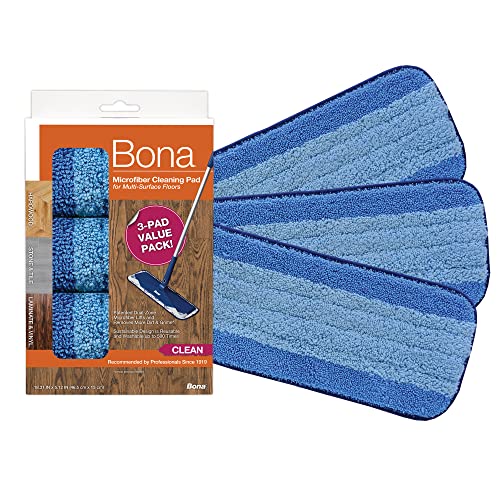
- Laminate floor cleaning pads microfiber
- Dust mop microfiber for laminate flooring
- Sealed laminate floor cleaner wipe kit


Before You Start
Prepare the room by removing loose debris with a dry microfiber dust mop. Clear rugs or mats that could trap moisture and place protective pads under furniture legs. Check the manufacturer’s guidelines for your laminate flooring, as some finishes require specific cleaners. Do not use excessive water—quasi-damp mopping is key. Allow the floor to dry quickly after cleaning, and avoid standing water in seams. A typical cleaning session takes about 15–25 minutes for a standard room.
Step-By-Step: How To Clean Laminate Floors That Are Not Waterproof
- Dust or sweep the floor thoroughly to remove loose dirt and grit that can scratch the surface during mopping.
- Attach a microfiber spray mop for laminate floors and lightly mist a water-based laminate floor cleaner spray onto the mop pad or directly onto the floor in small sections.
- Mop in the direction of the planks to reduce streaking and to prevent moisture from pooling in seams.
- Rinse or replace the laminate floor cleaning pads microfiber as they pick up grime, ensuring the pad remains nearly dry during use.
- Spot-clean sticky or high-traffic areas with a damp microfiber cloth dipped in the sealed laminate floor cleaner wipe kit, then wipe away residue with a clean, dry microfiber pad.
- Move furniture carefully and mop beneath it if possible, using a damp—not wet—cloth to reach tight corners without soaking.
- Let the floor air-dry for a few minutes, then go over with a dry microfiber dust mop to collect any remaining dampness.
- Inspect for sticky residue or haze and buff gently with a clean microfiber pad if needed.
- Store cleaning supplies in a cool, dry area away from direct sunlight to preserve the laminate’s finish.
- Establish a routine: sweep or dust daily, damp-mop weekly, and use a water-based laminate floor cleaner spray as needed to maintain shine.
- For high-traffic zones, consider pairing cleaning with protective mats at entryways to reduce dirt buildup over time.
- Follow the cleaning with a quick dry-wipe to ensure no moisture remains on the joints.
Troubleshooting
| Symptom | Likely Cause | Fix | Prevention |
|---|---|---|---|
| Streaky finish after mopping | Excess cleaner or too-wet mop pad | Switch to a nearly dry pad; use less cleaner | Mop in small sections and avoid saturating the floor |
| Water darkening or warping | Water seepage into seams | Wipe up moisture immediately; ensure pads are just damp | Use only damp mops and clean up spills promptly |
| Gum or sticky residue | Sticky spills not fully removed | Spot-clean with damp cloth and finish with dry pad | Clean spills as soon as possible |
| Scratches after cleaning | Debris ground into the surface | Use a fresh pad and avoid dragging gritty material | Shake out dust mops and use soft pads |
Common Mistakes
- Using steam cleaners or hot water on not-waterproof laminate
- Letting standing water sit on the floor
- Using abrasive pads or harsh solvents that dull the finish
- Cleaning with a soaked mop or spraying cleaner directly in heavy amounts
Tips For Best Results
- Always test any cleaner on a small, inconspicuous area first.
- Maintain a light touch; moisture is the enemy of non-waterproof laminates.
- Regularly replace cleaning pads to avoid transferring grit back onto the floor.
- Choose a pH-balanced, water-based laminate floor cleaner spray for safety and sheen.
- Use doormats at entrances to reduce dirt and moisture entry.
Call A Professional
Seek professional help if you notice swelling, buckling, or significant surface damage that extends beyond routine cleaning. Immediate attention is required for large water spills, improper installations, or ongoing moisture intrusion that may compromise the core layer of the laminate.
FAQ
Is it safe to use water on non-waterproof laminate floors?
Yes, but only in very small, damp amounts. Avoid soaking the floor and always dry promptly.
Can I use a spray cleaner directly on the floor?
Yes, with a light spray and a nearly dry mop pad. Avoid oversaturating the surface.
What if the floor already shows signs of water damage?
Consult a professional if swelling or warping is evident; stop using water-based cleaners until assessed.
How often should I clean non-waterproof laminate floors?
Dust daily and damp-mop as needed, typically weekly or when dirt accumulates, following the steps above.
Are there particular brands to trust?
Choose reputable, pH-balanced water-based laminate floor cleaner spray products and compatible microfiber tools for best results.
Buying Guide
When selecting products for cleaning laminate floors that are not waterproof, consider several factors to optimize performance and protect the floor finish.
Size and coverage: Choose a mop with a wide head or replaceable pads to cover rooms efficiently. Ensure replacement pads are readily available.
Noise and feel: Look for microfiber pads that glide softly, reducing noise and minimizing scuffing on delicate surfaces.
Energy and efficiency: A spray-bottle or spray-mop setup with a refill-friendly cleaner reduces waste and simplifies maintenance. Opt for a water-based laminate floor cleaner spray with a mild scent if desired.
Controls and compatibility: Ensure the cleaning system works with your floor type and that the cleaner is labeled safe for laminate (non-waxy, no harsh solvents).
Placement and storage: Store cleaning solutions away from heat and sunlight, and keep tools organized to encourage quick daily cleaning rituals.
In practice, homeowners benefit from pairing a microfiber spray mop for laminate floors with a laminate floor cleaning pads microfiber to maximize pickup and minimize moisture. A sealed laminate floor cleaner wipe kit can be handy for spot-cleaning, though it should not replace regular damp mopping. For routine maintenance, aim to use the water-based laminate floor cleaner spray as the primary cleaner, while reserving wipes for occasional touch-ups in high-traffic zones.