Over time, many silver pieces tarnish to a dull black or yellowish film. Proper cleaning removes oxides and restores shine without damaging delicate details. The following guide focuses on safe methods for jewelry that has darkened, with practical steps and tools commonly available in American households or via reputable retailers.
Quick Answer
For most tarnished silver jewelry, start with a gentle cleaner and soft brush, then finish with a microfiber polishing cloth. If tarnish is stubborn, use an ultrasonic cleaner at a low frequency or a proper sterling silver cleaning solution. Always test a small area first and avoid harsh abrasives on plated pieces.
What You’ll Need
- Ultrasonic jewelry cleaner 40kHz for silver
- Jewelry cleaning kit with solution and brushes
- Sterling silver jewelry cleaning solution liquid
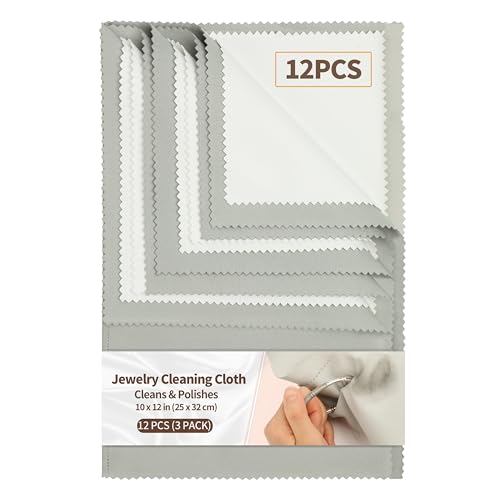
- Jewelry polishing cloth microfiber
- Soft bristle jewelry cleaning brush set


Before You Start
Assess the piece: solid sterling silver generally tolerates safe cleaning methods, while costume jewelry or pieces with stones may need caution. Avoid soaking soft gemstones and porous materials unless the manufacturer’s guidance allows it. Prepare a clean, lint-free work area and wear gloves if you have sensitive skin. Allow extra time for intricate designs where tarnish hides in crevices. A quick test on a hidden area helps prevent any unintended damage.
Step-By-Step: How To Clean Jewelry That Has Turned Black
- Lay out a soft microfiber cloth and the cleaning kit appropriate for silver pieces. If using a liquid cleaner, pour a small amount into a bowl.
- For light tarnish, dip a soft bristle brush into the solution and gently scrub the jewelry in small circles, focusing on crevices and flat surfaces.
- Rinse thoroughly with lukewarm water to remove all cleaning solution. Do not use hot water, which can cause rapid oxidation in some alloys.
- For deeper tarnish, use the ultrasonic jewelry cleaner 40kHz for silver. Submerge the piece according to the device instructions and run a short cycle.
- Carefully remove the jewelry and rinse again. Pat dry with a clean microfiber cloth to avoid water spots.
- Apply a sterling silver jewelry cleaning solution liquid to a fresh cloth or use the included spray, and buff the piece until the shine returns.
- Return to the area with light, even pressure using the jewelry polishing cloth microfiber to bring out luster and remove any remaining residues.
- Inspect for dull or darkened spots. If needed, repeat the gentle cleaning cycle on stubborn areas, avoiding aggressive scrubbing.
- For chain links and intricate settings, use a soft bristle jewelry cleaning brush set to reach tight spaces without scratching.
- Dry completely before wearing or storing in a soft, anti-tarnish pouch to slow future tarnish buildup.
- Store each piece individually to prevent scratching against other jewelry and minimize future tarnish formation.
- Document care steps for future reference and consider routine maintenance every few months depending on exposure to air, sweat, and cosmetics.
Troubleshooting
| Symptom | Likely Cause | Fix | Prevention |
|---|---|---|---|
| Patches of black remain after cleaning | Oxidation in hard-to-reach areas | Repeat cleaning cycle with a soft brush and ultrasonic cleaner | Regular gentle cleaning to prevent heavy buildup |
| Greenish tarnish on copper-containing pieces | Copper oxidation | Use a copper-safe cleaner or consult product guidelines | Avoid moisture-heavy storage and keep dry |
| Discoloration on plated pieces | Over-cleaning or abrasive contact | Switch to gentler cleaning method; do not scrub aggressively | Use only recommended cleaners for plating |
| Stone settings loosen or scratches appear | Excessive cleaning pressure | Stop cleaning inffected areas and seek professional assessment | Follow manufacturer care instructions |
Common Mistakes
- Using abrasive cleaners or strong acids on silver-plated items
- Soaking jewelry with stones, opals, or pearls for extended periods
- Neglecting to test solutions on a hidden area first
- Rubbing too hard in crevices, causing surface scratches
- Ignoring storage conditions that promote tarnish, such as exposure to air and humidity
Tips For Best Results
- Choose a method based on the piece: light tarnish responds to brushing and polishing, while deeper tarnish may benefit from ultrasonic cleaning.
- Always pat dry and polish with a microfiber cloth after cleaning for a streak-free finish.
- Test any cleaner on a small, inconspicuous area before full application.
- Use dedicated jewelry cleaning kits to ensure compatibility with various metals and finishes.
- Store jewelry in sealed anti-tarnish pouches or lined boxes to slow oxidation between cleanings.
Call A Professional
Seek professional help if a piece is heavily tarnished, has delicate gemstones, or shows signs of loosened settings, structural damage, or unusual discoloration after cleaning. If cleaning doesn’t restore luster, or if a piece is heirloom or valuable, a jeweler can assess plating, alloy composition, and stone integrity and offer safe restoration options.
FAQ
Can I use toothpaste to clean tarnished silver?
Toothpaste is abrasive and can scratch silver surfaces. Use dedicated silver cleaners or mild solutions instead.
Is ultrasonic cleaning safe for all jewelry?
Ultrasonic cleaners are safe for many pieces, but avoid porous stones, opals, or pieces with glued components unless the manufacturer approves use.
How often should silver jewelry be cleaned?
Frequency depends on exposure; those worn daily may benefit from monthly light cleaning, while occasional pieces can be cleaned every few months.
Will cleaning remove marcasites or plated finishes?
Some finishes and stones may be affected by aggressive cleaning. Always follow product guidelines and test first.
What storage helps prevent tarnish?
Store pieces in airtight or anti-tarnish bags and keep them away from humidity and chemicals found in cosmetics and cleaners.
Should I rinse after every cleaning step?
Yes, thorough rinsing removes residue that can dull the shine or irritate skin when worn next.
Can cleaning restore antique or heirloom jewelry?
Antique pieces may require gentler methods or professional restoration to preserve value and delicate details.
Buying Guide
Choosing the right cleaning approach depends on several factors. Consider thickness and finish of the jewelry, the presence of stones, and storage habits to decide which tools to invest in. The following buying factors help compare options and plan routine care.
Size and Capacity
Ultrasonic cleaners come in compact home units with adjustable cycles. For small earrings and thin bracelets, a compact or mid-size unit is usually sufficient; larger pieces may require a larger basket or longer cycles.
Noise Level
Ultrasonic cleaners vary in noise. If the device is used in living spaces, look for models with lower decibel ratings or built-in anti-noise shielding.
Energy Efficiency
Choose energy-efficient options to reduce electricity use, especially for frequent cleaning routines. Check product specs for power consumption and standby modes.
Controls and Settings
Simple timers and adjustable frequency settings allow tailoring cycles to piece type. Some kits offer preset modes for silver, gold, and plated finishes.
Placement and Storage
Place cleaners on a stable, water-resistant surface away from heat sources. Store solutions and cloths in a dry cabinet to minimize tarnish buildup between cleanings.
Cross-Compatibility
Look for kits that include a versatile range of brushes and solutions to cover different jewelry types, including sterling silver and costume pieces.
Maintenance and Replacement Parts
Check availability of replacement brushes and solution refills. Regular maintenance ensures consistent results and longer equipment life.