Induction hobs offer sleek, easy-to-clean surfaces, but they still require proper care to keep them looking like new. This guide walks through a safe, effective routine to remove spills, smudges, and baked-on residue from glass-ceramic surfaces while preserving the cooktop’s finish and performance.
The steps below prioritize common household cleaners and tools that work well on modern induction cooktops. Following a consistent cleaning routine can extend the life of the surface and maintain optimal cooking performance.
Quick Answer
Best first move: wipe away loose crumbs with a dry microfiber cloth, then apply a non-scratch cleaner and a soft scraper to lift stuck-on residue without scratching. Use circular motions and finish with a microfiber cloth dampened with water or a dedicated stovetop cleaner spray.
What You’ll Need
- Glass ceramic cooktop cleaner kit with scraper blade
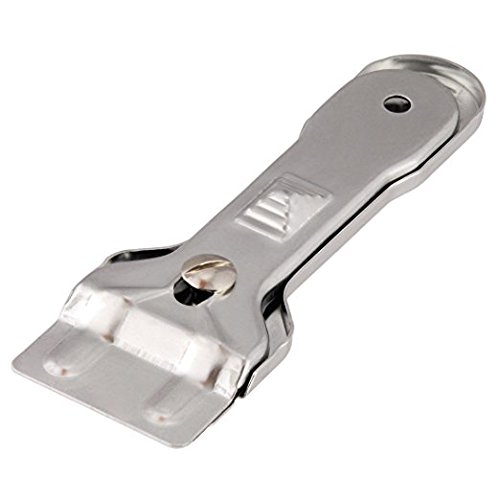
- Induction hob glass scraper 4 inch replacement blade
- Microfiber cleaning cloth for glass cooktop 12×12 inches
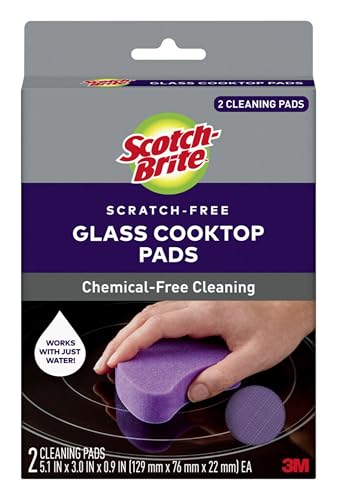
- Non-scratch scrub pad for ceramic stove top 3 pack
- Stovetop cleaner spray for glass ceramic induction cooktop 500 ml

Before You Start
Before cleaning, ensure the hob is cool to the touch. Turn off all controls and unplug if possible. Work in a well-ventilated area and remove any cookware from the surface. Protect surrounding countertops with a soft towel if needed. Do not use abrasive pads or metal tools that could scratch the surface. Time estimate: 5–15 minutes for routine cleaning; 15–25 minutes for heavy, baked-on spills.
Step-By-Step: How To Clean An Induction Hob
- Remove loose debris: Use a dry microfiber cloth to wipe away crumbs, dust, and cooled splatters from the glass surface.
- Apply cleaner: Spray a small amount of stovetop cleaner spray onto the cooled surface or onto a damp microfiber cloth for easier control.
- Gentle scrubbing: Use the non-scratch scrub pad in light, circular motions over stained areas to loosen grime without scratching. Avoid applying heavy pressure.
- Use the scraper blade: For stubborn, baked-on residue, hold the scraper at a shallow angle and gently lift it away. Use short, controlled strokes to prevent gouging the surface.
- Rinse and wipe: Wipe away loosened residue with a clean, damp microfiber cloth. Ensure all cleaner residue is removed to avoid streaks.
- Dry and inspect: Buff the surface with a dry microfiber cloth to restore shine. Inspect for any remaining smudges or streaks.
- Repeat as needed: For persistent stains, repeat the cleaner application and gentle scrubbing steps, then finish with a thorough wipe.
- Final polish: Lightly buff with a dry cloth until the surface looks uniform and clear. Ensure no moisture remains in control areas or around edge seams.
- Optional maintenance: After each use, wipe with a damp cloth to prevent buildup and extend the interval between deeper cleanings.
- Storage tip: Keep cleaner and replacement blades in a dry place away from children, and replace blades as needed to maintain safe operation.
- Safety check: If you notice any chipping, discoloration, or unusual damage, stop using the hob and consult a professional.
- Document routine: Record the date of cleaning and any high-traffic spills to guide future maintenance efforts.
Troubleshooting
| Symptom | Likely Cause | Fix | Prevention |
|---|---|---|---|
| Streaks after cleaning | Residue left from cleaner or mineral deposits | Wipe with damp cloth, then dry thoroughly | Use only recommended cleaners; wipe with a clean cloth after every cleaning |
| Scratches visible | Harsh abrasive tools or metal scrapers | Switch to non-scratch pads and plastic scrapers | Avoid metal utensils on the surface |
| Discoloration near controls | Heat exposure and residue buildup | Clean with gentle cleaner and soft pad | Routine maintenance after cooking sessions |
| Stubborn burnt-on spills | Long exposure to heat with sugary or acidic spills | Apply cleaner, wait a moment, then scrub softly | Wipe spills promptly to prevent hardening |
Common Mistakes
- Using abrasive scrub pads or steel wool on glass-ceramic surfaces
- Spraying cleaners directly on controls or electrical areas
- Using excessive cleaner that leaves residue or streaks
- Ignoring cool-down periods after cooking before cleaning
Sticking to gentle, non-abrasive tools and following the manufacturer’s guidance helps preserve the glossy surface and prevents damage over time.
Tips For Best Results
- Apply cleaner in a thin, even layer to avoid pooling and streaks.
- Use circular motions to lift grime without scratching the surface.
- Always wipe in one direction to minimize smudging and streaks after drying.
- Keep a dedicated microfiber cloths set for stovetop cleaning to avoid cross-contamination with other surfaces.
- Schedule a light weekly wipe-down and a deeper clean monthly to maintain shine.
Call A Professional
Consider consulting a professional if you notice non-removable discoloration, heat-related cracks, or chipped glass. Stop using the hob if you see deep scratches, exposed wiring, or coolant leaks. For persistent issues not resolved by routine cleaning, a licensed technician can assess potential internal damage or glass-ceramic integrity concerns.
FAQ
Can I use vinegar or lemon on an induction hob?
Vinegar or lemon can be used sparingly for mineral deposits, but avoid high-acid concentrations on glass-ceramic surfaces and always rinse with water and dry to prevent streaks.
Is it safe to use a scraper on a glass-ceramic surface?
Yes, a dedicated glass scraper with a replacement blade can safely remove baked-on spills when held at a shallow angle and used with a light touch.
How often should I clean my induction hob?
For best results, wipe after each use and perform a deeper clean every 1–2 weeks, depending on cooking frequency and spillage.
What should I avoid when cleaning an induction hob?
Avoid abrasive pads, metal tools, strong solvents, and direct spray into electrical controls. Use only products designed for glass-ceramic surfaces.
Buying Guide
When choosing products for cleaning an induction hob, consider size compatibility with your cooktop, cleaning power, and safety features. Key buying factors include:
- <bSize and fit: Ensure cleaner formulations and blade sizes work with your hob’s dimensions and edge profiles.
- <bNoise level and ergonomics: Look for tools with comfortable handles and minimal drag to reduce user fatigue during maintenance.
- <bEnergy efficiency of appliances or kits is less about the products themselves but about how well they maintain the cooktop’s efficiency by reducing residue buildup.
- <bControls and compatibility: Verify sprays or cleaners are safe for glass-ceramic surfaces and won’t affect control sensors or heating elements.
- <bPlacement and storage: Opt for compact kits that fit in a kitchen drawer or cabinet with blades stored safely away from children.
Ready-to-use kits with a scraper blade, replacement blades, and microfiber cloths provide a complete cleaning workflow. Compare convenience, replacement blade availability, and the number of pads in a pack to match cleaning frequency. For best results, select products designed specifically for glass-ceramic induction surfaces and follow all safety instructions.