Cleaning hummingbird feeders regularly is essential to keep nectar free of mold and to protect visiting birds from illnesses. Using vinegar as a natural cleaning agent is a common and effective method that avoids harsh chemicals. This guide provides a practical, step-by-step approach, along with recommended tools to streamline the process.
Quick Answer
Fill a basin with a solution of one part white vinegar to four parts water. Disassemble the feeder, soak all parts, scrub with appropriate brushes, rinse thoroughly with clean water, and air-dry before reassembling. For stubborn buildup, repeat or use extra brushes designed for nectar ports and siphons.
What You’ll Need
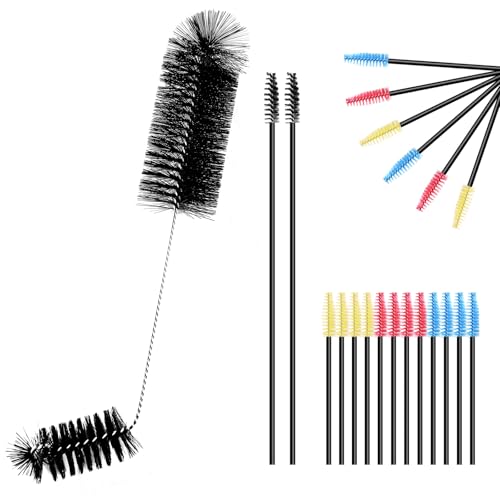
- Hummingbird feeder cleaning brush set
- Long reach bottle brush for hummingbird feeder
- Hummingbird feeder cleaning kit with bottle brush
- Stainless steel nectar port brush for hummingbird feeder
- Hummingbird feeder siphon cleaning brush

Before You Start
Before cleaning, remove the feeder from its hanging location and place it on a protected surface. Prepare a basin with the vinegar solution, and have clean water for rinsing. Do not use soap or chemical cleaners on parts that contact nectar, as residues can harm birds. The recommended vinegar mixture is one part white vinegar to four parts water. Time estimate: 15–30 minutes for one feeder, longer for multiple feeders or especially dirty units.
Step-By-Step: How To Clean A Hummingbird Feeder With Vinegar
- Disassemble the feeder completely, separating the bottle, ports, perches, and any removable screens.
- Rinse all parts under warm running water to remove loose nectar and debris.
- Soak all components in the vinegar solution for 10–15 minutes to loosen mold and sugar residue.
- Use the hummingbird feeder cleaning brush set and long reach bottle brush for hummingbird feeder to scrub internal surfaces and narrow passages, paying special attention to nectar ports and siphon tubes.
- For tight or hard-to-reach areas, employ the stainless steel nectar port brush for hummingbird feeder and the hummingbird feeder siphon cleaning brush.
- Rinse thoroughly with clean water until no vinegar odor remains and all residues are removed.
- Inspect for cracks or wear. If any parts are damaged, replace them before refilling.
- Air-dry all components completely on a clean towel or a drying rack before reassembly and refilling with fresh nectar.
- Reassemble the feeder, fill with clean nectar, and test for leaks and proper flow.
- Clean again on a regular schedule, especially after hot, humid periods when mold growth is more likely.
- Store spare parts in a clean, dry place to prevent contamination during the next cleaning cycle.
Troubleshooting
| Symptom | Likely Cause | Fix | Prevention |
|---|---|---|---|
| Nectar ports blocked after cleaning | Residue buildup | Soak longer in vinegar solution; scrub with nectar port brush | Rinse thoroughly; use brushes after each refill |
| Feeder leaks after reassembly | Improper sealing or cracked parts | Check gaskets; replace damaged components | Inspect parts for wear during cleaning |
| Unpleasant odor persists | Vinegar smell not fully rinsed | Rinse with warm water multiple times | Rinse until no scent remains |
| Birds avoid feeder | Residue or flavor from improper cleaning | Ensure complete rinsing and dry parts | Clean on a regular schedule |
Common Mistakes
- Using household soap or strong cleaners that leave residues harmful to birds
- Not allowing parts to dry completely, which promotes mold growth
- Overlooking tiny passages where mold hides
- Reassembling a wet feeder, which can trigger spoilage of nectar
Tips For Best Results
- Schedule cleaning during cooler parts of the day to reduce rapid nectar spoilage.
- Pre-soak first to save time when multiple components are involved.
- Keep replacement brushes dedicated to hummingbird feeders to avoid cross-contamination.
- Label seasonal maintenance days to build a routine that fits local hummingbird activity.
- Consider a cleaning kit that includes a variety of brushes to reach all crevices.
Call A Professional
Seek professional help if the feeder has persistent mold that reappears after cleaning, cracks in the plastic or glass that compromise integrity, or if you are unsure about safety due to materials used in the feeder. Stop using a feeder that shows severe wear or cannot be cleaned effectively.
FAQ
Is vinegar safe for cleaning hummingbird feeders?
Yes. White vinegar is a common, non-toxic option when diluted with water. Rinse thoroughly to remove any aroma or residue before refilling.
Can I use hot water for cleaning?
Hot water can help loosen residue, but avoid scalding temperatures that may warp plastic parts. Combine hot water with a vinegar soak for best results.
How often should I clean a hummingbird feeder?
Clean at least every two weeks during peak feeding season, and more often in hot or humid climates or after rain when mold risk increases.
What should I do with leftover nectar after cleaning?
Discard any old nectar, rinse the reservoir, and prepare fresh nectar before reusing the feeder.
Buying Guide
When choosing hummingbird feeder cleaning tools, consider size, compatibility with your feeder model, and ease of use. Look for sets that include a long reach bottle brush, port brushes, and siphon cleaners to address all passages. Noise and energy use are not major factors here, but choose durable materials like stainless steel or robust plastics to withstand regular scrubbing. For placement, ensure the brush kit and kit components can reach the nectar ports without disassembly of parts you cannot remove easily. A dedicated cleaning kit with multiple brushes can simplify maintenance and extend feeder life.