Hazy or cloudy windows can hide the view and reduce natural light. This guide covers practical, step-by-step methods using common tools designed for American homes, including squeegees, microfiber cloths, and safe glass cleaners. With the right approach, you can restore clarity without damaging the glass.
Quick Answer
For best results, remove loose dust, apply a glass cleaner or a mild vinegar solution, scrub away haze with a microfiber pad or soft scrubber, then use a squeegee to dry in a top-to-bottom motion. Rinse and repeat as needed, finishing with a microfiber cloth to buff any remaining streaks.
What You’ll Need
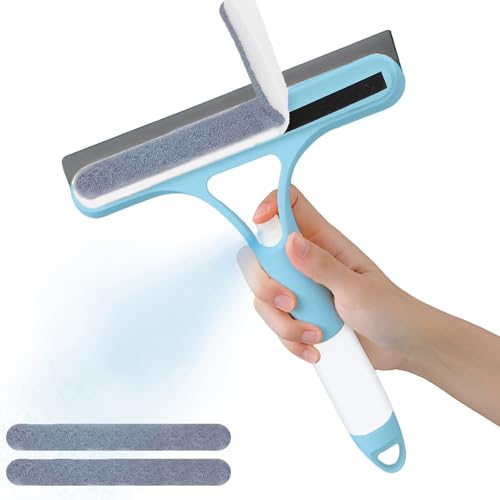
- 12 inch window squeegee with microfiber pad for hazy glass cleaning
- Extending window cleaning pole 16ft with soft microfiber sleeve
- Microfiber window cleaning cloths 12×12 inches for glass haze
- 2-in-1 window scrubber and squeegee combo kit with replaceable pads
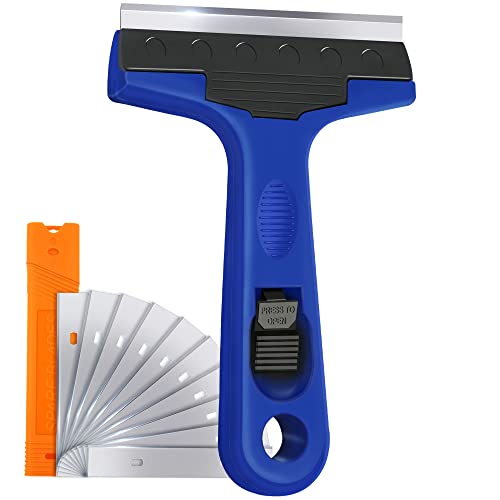
- Hard water stain remover for glass with razor blade scraper

Before You Start
Assess the window type and frame condition. For exterior windows, choose a dry, overcast day to avoid rapid drying and streaking. Prepare a small, shaded work area near the window to minimize glare. Typical time: 30–60 minutes for a standard home set of windows. Safety note: never use a razor blade on UV-coated or etched glass without checking manufacturer guidelines, and avoid metal scrapers on vinyl frames to prevent scratches.
Step-By-Step: How To Clean Hazy Windows
- Remove loose dust with a dry microfiber cloth or a soft brush, working from top to bottom.
- Mix a cleaning solution suitable for glass; a mild dish soap solution or vinegar-water mix works well for haze and mineral deposits.
- Apply the cleaner to the window using a microfiber pad or the extending window cleaning pole sleeve for hard-to-reach panes.
- Scrub away haze using moderate pressure with the 2-in-1 window scrubber and squeegee combo kit to lift grime without scratching.
- Rinse the window with clean water or a separate section of the pad to remove cleaner residue.
- Pull the squeegee in straight, overlapping strokes from top to bottom, wiping the blade with a dry cloth after each pass.
- Inspect for remaining streaks; if present, buff with microfiber window cleaning cloths to finish.
- For stubborn hard water marks, use a hard water stain remover for glass with razor blade scraper only if the manufacturer allows it, following all safety directions.
- Repeat on any additional panes, cleaning frames with a separate cloth to avoid transferring dirt back onto the glass.
- Store tools in a dry, ventilated area; replace worn pads or microfiber sleeves as needed to maintain performance.
- Schedule seasonal cleanings to prevent mineral buildup and maintain clarity over time.
Troubleshooting
| Symptom | Likely Cause | Fix | Prevention |
|---|---|---|---|
| Streaks after drying | Residue left from cleaner | Wipe with a fresh microfiber cloth; use a rinse cycle | Use distilled water if minerals are a problem |
| Cloudy haze reappears quickly | Remaining mineral deposits or surface scratches | Deep clean with microfiber and consider a gentle stain remover for glass | Regular cleaning schedule to prevent buildup |
| Scratches visible after scrubbing | Aggressive scrubbing or unsuitable scraper | Switch to softer pads; avoid metal razors unless approved | Test on inconspicuous area first |
| Pad or sleeve wears quickly | Rough cleaning surface or excessive pressure | Replace with new pads; use gentle cleaning motions | Clean pads after use and air dry |
Common Mistakes
- Using abrasive scrubs on delicate or coated glass
- Cleaning in direct sunlight or when windows are hot
- Not rinsing between passes, leaving cleaner residue
- Mixing cleaners that cause chemical reactions or streaks
Tips For Best Results
- Work from top to bottom to prevent drips onto already-clean areas.
- Use a dedicated microfiber cloth for glass to avoid transferring oils from other surfaces.
- Switch to a fresh pad or cloth if it becomes visibly dirty or dampened with grime.
- For exterior windows, consider a long-reach tool to minimize ladder use while staying safe.
- Edge strokes can help finish corners; a narrow scraper can help without scratching edges when used with extreme caution.
Call A Professional
Consider a professional if you encounter persistent hard water stains, etched glass, or windows that require extensive frame work. Stop and seek help if there are signs of damaged seals, broken panes, or chemical sensitivities to cleaners.
FAQ
What’s the best tool for hazy windows?
Most homes benefit from a 12 inch window squeegee with microfiber pad paired with microfiber cloths for final buffing.
Can I use vinegar on all windows?
Yes for most glass surfaces, but avoid porous or coated panes that might react poorly to acids. Always test a small area first.
How do I remove hard water stains without scratching?
Use a dedicated hard water stain remover as directed; avoid aggressive scrapers unless explicitly approved for your glass type.
How often should I clean hazy windows?
Cleaning every 6–12 months helps prevent buildup; exterior panes may need more frequent attention depending on water quality and weather.
Is it safe to extend cleaning reach for high windows?
Yes, with a proper extension pole and non-slip ladders, but prioritize safety and avoid overreaching.
What should I do with dirty cloths after cleaning?
Rinse and air dry microfiber cloths; launder separately from other fabrics to maintain performance.
Buying Guide
When selecting tools for cleaning hazy windows, consider the following factors to ensure best results and ease of use.
- Size and reach: A 12-inch squeegee offers efficient coverage for most standard windows; extendable poles (like a 16ft model) help reach high or wide panes without ladders.
- Pad material and replacement: Microfiber pads provide excellent absorption and minimize streaking; look for kits with replaceable pads to keep performance high.
- Water and cleaner compatibility: Choose tools that work with common glass cleaners or vinegar solutions; avoid combinations that may damage coatings.
- Stain removal capability: For hard water buildup, a dedicated glass stain remover with safe scraping options helps restore clarity without harming the glass.
- Durability and ease of maintenance: Tools with washable pads and durable frames save time and money over the long term.
- Noise and water usage: Some squeegees and poles minimize splashing and noise, which is beneficial in multi-story homes or apartments.
- Placement and usage: Exterior windows may benefit from extendable poles; interior panes can be managed with shorter handles for precision.
Questions to consider: Do you prefer a dedicated toolkit or modular components? Is reach more important than speed? By weighing these factors, you can assemble a setup that delivers consistent, streak-free results while keeping maintenance simple.