Hard water can leave unsightly white or chalky deposits on chrome and stainless steel faucets. This guide provides practical, step-by-step methods using common household tools and select products to restore shine without damaging finishes. The approach covers quick fixes for minor stains and deeper cleaning for built-up mineral scale.
Quick Answer
For light deposits, spray a chrome faucet limescale remover and let it sit briefly, then scrub with a silicone-bristled faucet cleaning brush and wipe clean with a microfiber cloth. For tougher buildup, apply a calcium carbonate hard water remover gel, reapply as directed, and finish with a rinse. Always test a small area first and follow product directions.
What You’ll Need
- Chrome faucet limescale remover spray
- Calcium carbonate hard water remover gel for bathroom faucet
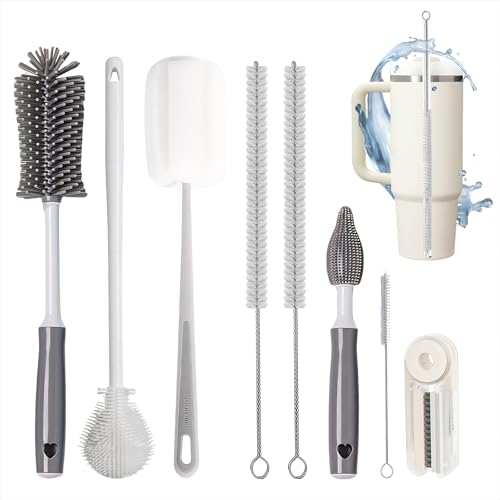
- Faucet cleaning brush silicone bristles kit
- Stainless steel faucet descaler tablets
- Microfiber cloth for chrome faucet cleaning


Before You Start
Before cleaning, turn off any water flow to the faucet if possible and protect surrounding countertops with a towel. Work in a well-ventilated area and wear gloves to avoid skin irritation from cleaners. Test all cleaners on a small, inconspicuous area of the faucet to check for adverse reactions. For delicate finishes, avoid abrasive pads and vinegar on certain coatings, as these can etch metal. Allow sufficient drying time to prevent water spots after cleaning.
Step-By-Step: How To Clean Hard Water Stains From Faucets
- Remove the aerator if accessible and soak it in a small bowl of descaler tablets dissolved in warm water for 10–15 minutes to loosen mineral deposits.
- Apply a light spray of chrome faucet limescale remover around the faucet spout and handles, following the product’s dwell time instructions.
- Gently scrub with the silicone bristle brush kit, focusing on crevices and under the spout where mineral buildup hides.
- Rinse with warm water and wipe with a microfiber cloth, drying thoroughly to prevent new water spots.
- If stubborn stains remain, apply calcium carbonate hard water remover gel to a soft sponge or cloth and work in circular motions for 1–2 minutes.
- Rinse again and buff with a clean microfiber cloth until the surface shines.
- Reinstall the aerator and run water briefly to flush any remaining cleaner residue.
- For ongoing maintenance, repeat monthly or as mineral buildup seasons change, and keep a microfiber cloth handy for quick touch-ups.
- Consider using stainless steel faucet descaler tablets periodically if mineral content is particularly hard on your area’s water supply.
- Store products in a cool, dry place away from direct sunlight and heat sources to maximize shelf life.
- Document any recurring spots to determine if annual professional cleaning or plumbing inspection is warranted.
Troubleshooting
| Symptom | Likely Cause | Fix | Prevention |
|---|---|---|---|
| Streaks after cleaning | Residual cleaner or mineral residue | Wipe with a dry microfiber cloth; re-rinse with water | Dry surfaces immediately after use |
| Stubborn spots persist | Deep mineral buildup | Apply calcium carbonate remover gel; reapply per instructions | Use descaler tablets periodically |
| Finish dulls or discoloration | Aggressive cleaners or abrasive pads | Switch to non-abrasive tools; test first | Avoid harsh chemicals on sensitive finishes |
| Aerator won’t thread properly after cleaning | Debris trapped in threads | Clean threads with a brush; lubricate lightly if needed | Rinse thoroughly before reassembly |
Common Mistakes
- Using abrasive scrub pads on chrome or stainless steel finishes
- Assuming all vinegar-based cleaners are safe for all finishes
- Skipping the rinse step, which leaves residue and spots
- Neglecting to dry the faucet after cleaning, inviting new mineral deposits
Tips For Best Results
- Always test cleaners on a small area first to verify compatibility with your faucet finish.
- Keep a dedicated microfiber cloth for chrome and stainless steel to avoid cross-contamination with other products.
- Use a spray-on cleaner for quick maintenance between deeper cleanings.
- Install a water-softening system or inline filter if mineral buildup is persistent in your area.
- Label cleaners by the area you use them on to prevent accidental use on sensitive surfaces.
Call A Professional
Seek professional help if you notice persistent staining despite multiple cleanings, if there is corrosion or pitting on the faucet, or if leaks accompany mineral buildup. A licensed plumber can assess water quality, check for plumbing integrity, and recommend long-term solutions to reduce hard-water damage.
FAQ
What is the best product for chrome faucet stains?
Use a chrome-specific limescale remover spray and finish with a microfiber cloth for best results.
Can calcium carbonate remover gel damage finishes?
When used as directed on the label, it is safe for most bathroom faucets; test first on a small area.
How often should I clean hard water deposits?
Light maintenance can be monthly; a deeper clean every 2–3 months helps keep buildup under control.
Is it okay to soak the aerator in cleaners?
Yes, soaking the aerator in descaler solution is effective but ensure it is fully rinsed before reinstallation.
Do descaler tablets work on stainless steel?
Yes, when used according to instructions, they can help reduce mineral deposits on stainless steel faucets.
What should I avoid when cleaning finishes?
Avoid abrasive pads, harsh acids, and vinegar on brushed finishes unless specified by the manufacturer.
Will a water-softener help with hard water stains?
Yes, softened water reduces mineral content and long-term buildup on fixtures.
Buying Guide
Choosing the right cleaning approach involves considering faucet finish, mineral hardness, and maintenance goals. When evaluating products, look for compatibility with chrome and stainless steel finishes, clear dwell-time instructions, and non-abrasive formulas. Consider a combined kit that includes a silicone-bristle brush, microfiber cloths, and descaler tablets for ongoing upkeep. For households with very hard water, pairing cleaners with a water-softening system can dramatically reduce future buildup. Assess your faucet style and size to ensure cleaners reach all crevices without over-saturating the area. Finally, read labels for safety and storage guidance to maintain long-term results.