Hard water minerals can leave stubborn spots on glass shower doors, reducing clarity and making future cleaning harder. This guide offers practical, step-by-step methods using common household tools and the provided cleaning products to remove mineral buildup effectively and prevent it from returning.
Following a simple routine can restore shine and extend the life of your shower enclosure. The instructions balance safety with effective chemistry, so users can tackle mineral deposits with confidence.
Quick Answer
For most mineral buildup, start with a calcium lime scale remover spray, rinse thoroughly, and follow with a microfiber squeegee to prevent re-deposition. For ongoing maintenance, wipe down with a microfiber cleaning cloth and lightly scrub stubborn spots with a soft nylon brush as needed.
What You’ll Need
The following tools and products are recommended to remove hard water stains from glass shower doors. Use the provided product keywords as a guide to assemble a practical kit.
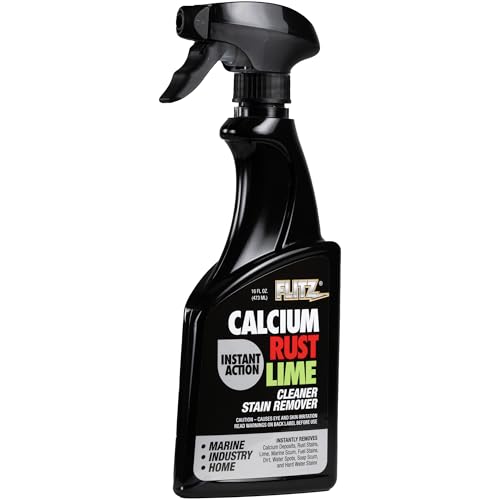
- Calcium lime scale remover spray for glass shower doors 16 oz
- Glass shower door squeegee with microfiber blade
- Microfiber cleaning cloths for hard water stains on shower doors
- Soft nylon scrub brush for mineral deposits on glass shower doors
- Glass shower door cleaning kit mineral buildup remover


Before You Start
Prepare the area by removing towels and placing a mat outside the shower to catch drips. Ventilate the bathroom if using chemical cleaners. Test any cleaner on a small, inconspicuous area of the glass for compatibility. Time investment varies by buildup, but most sessions take 20–40 minutes. Wear gloves to protect skin and avoid contact with eyes. Never mix cleaners not specified by the manufacturer, as dangerous fumes can result. If grout or metal frames are present, check compatibility with the chosen cleaner to avoid corrosion.
Step-By-Step: How To Clean Hard Water Off Shower Doors
- Remove any items from the shower door area and rinse the glass with warm water to soften loose deposits.
- Apply the calcium lime scale remover spray evenly to the glass, focusing on mineral-rich areas. Follow the product’s instructions for dwell time.
- Wipe away loosened buildup with a damp microfiber cleaning cloth, rinsing the cloth frequently to prevent redistribution.
- Use the soft nylon scrub brush to gently scrub stubborn spots in circular motions, avoiding aggressive scrubbing that could scratch the glass.
- Rinse thoroughly with warm water to remove cleaner residue. Ensure all cleaner is flushed from edges and tracks.
- Return to the door with the glass shower door squeegee with microfiber blade, working from top to bottom to remove excess moisture and prevent new mineral deposits.
- Dry edges and seals with a microfiber cloth to prevent water pooling and future buildup.
- For routine maintenance, wipe the door after each shower with the squeegee or a microfiber cloth to reduce mineral buildup over time.
- Periodic reapplication of the cleaner may be necessary for heavy buildup, followed by the same rinse and dry steps.
- Inspect for any remaining spots; repeat targeted cleaning if needed, then dry completely to minimize water spots.
- Clean the shower door tracks separately if mineral buildup extends beyond the glass, using an appropriate cleaner and brush per the product directions.
Troubleshooting
| Symptom | Likely Cause | Fix | Prevention |
|---|---|---|---|
| Cloudy or streaky glass after cleaning | Residual cleaner or hard water minerals | Re-rinse thoroughly and dry with microfiber; reapply cleaner if needed | Dry surfaces after every use; use squeegee |
| Stubborn spots persist | Deep mineral buildup or etched glass | Apply cleaner again with gentle scrubbing; consider repeated applications | Schedule regular maintenance to prevent buildup |
| Scratches appear on glass | Harsh scrubbing or abrasive products | Switch to a soft nylon brush and microfiber cloth | Avoid abrasive cleaners or pads |
| Cleaner fumes or irritation | Chemical sensitivity or improper ventilation | Ventilate area and use gloves; choose gentler alternatives | Follow safety instructions and work in a well-ventilated space |
Common Mistakes
- Using abrasive pads on glass, which can scratch the surface and worsen appearance.
- Skipping the rinse step, leaving cleaner residue that can attract more mineral deposits.
- Wiping in random directions, which can leave streak marks instead of clear glass.
- Neglecting to dry doors after cleaning, enabling quick re-deposition of minerals.
Tips For Best Results
- Consistency beats intensity: perform a light wipe-down after each shower to keep mineral buildup at bay.
- Coordinate cleaning with a routine: weekly quick wipes reduce the need for heavy-duty deep cleanings.
- Use warm water rather than hot; extreme heat can affect some glass seals and cleaners.
- Store tools in a convenient location so you’re encouraged to use them regularly.
- For best effect, alternate between the calcium lime scale remover and a mineral buildup remover kit to tackle different mineral compositions.
Call A Professional
It may be time to contact a pro if mineral buildup is extreme, if glass appears etched or etched-in stains persist after repeated cleans, or if there are signs of damage to seals or hardware. Seek professional assistance for structural repairs, persistent staining that resists standard cleaners, or if the cleaning area includes delicate or customized framing.
FAQ
What causes hard water stains on shower doors?
Hard water contains minerals like calcium and magnesium that leave deposits when water evaporates on glass surfaces.
Can I use vinegar to remove mineral buildup?
Vinegar can be effective on mineral deposits, but test on a small area to ensure it won’t damage coatings or seals.
How often should I clean shower doors to prevent staining?
Weekly quick cleans and a deeper clean every 4–6 weeks help prevent stubborn buildup.
Is a squeegee necessary after every shower?
Using a squeegee reduces water spots and mineral deposits, making maintenance easier over time.
What should I avoid when cleaning glass doors?
Avoid abrasive pads, ammonia-heavy cleaners on certain seals, and mixing cleaners that may produce harmful fumes.
Will cleaning damage glass doors?
When following manufacturer directions and using soft tools, cleaning typically protects glass rather than damages it.
Should I remove mineral buildup from the door tracks?
Yes, mineral deposits can accumulate in tracks and hinges; use a dedicated cleaner and brush to maintain sliding doors.
Buying Guide
Choosing the right products for maintaining glass shower doors with mineral buildup involves several factors. Consider size and severity of the stain, the glass type, and the presence of surrounding hardware that may require gentler cleaners. Here are essential buying factors to help compare options:
- Size and packaging: For light to moderate buildup, a 16 oz spray bottle is convenient. Heavier buildup may require larger quantities or a dedicated cleaning kit.
- Cleaning power and chemistry: Look for products labeled specifically for glass shower doors and mineral buildup. Some blends combine lime scale removers with mild surfactants to lift deposits.
- Ease of use: Spray-and-wipe formulas, plus integrated microfiber tools, simplify routine maintenance.
- Noise, energy, and control settings: Not applicable to cleaning products; focus on ease of use, safety instructions, and whether the kit includes multiple tools.
- Materials compatibility: Ensure cleaners are safe for glass, metal frames, and seals; avoid harsh abrasives that can scratch or degrade hardware.
- Maintenance approach: Some kits prioritize ongoing maintenance (microfiber cloths, squeegees) to prevent buildup, while others emphasize heavy-duty removal.
- Placement and storage: Choose products that store neatly in a bathroom cabinet and are easy to access after showers.
In short, pair a dedicated mineral buildup remover with a microfiber squeegee and soft brushes for a comprehensive cleaning system. Regular maintenance reduces deep clean time and helps keep shower doors clear and sparkling.