Hard water deposits, commonly known as limescale, can build up on fixtures, appliances, and surfaces. This guide explains practical, safe methods to remove mineral buildup using common descalers and targeted cleaners. The focus is on American households facing mineral-heavy water and routine maintenance to prevent future buildup.
Following these steps helps restore efficiency and appearance without damaging surfaces. The methods rely on commercially available descalers and cleaners designed for bathrooms, kitchens, and appliances. By choosing the right product for the job, users can improve water flow, heat efficiency, and overall cleanliness.
Quick Answer
Best starting point: Use a descaler spray or gel for targeted spots, then refresh fixtures with a descaler powder or tablet system for appliances. For bowls, toilets, and sinks, apply a bathroom descaler gel and rinse thoroughly. Quick-action sprays dissolve mineral buildup in minutes, while powders and tablets provide ongoing prevention when used during cycles.
What You’ll Need
- limescale remover spray for showerheads and faucets
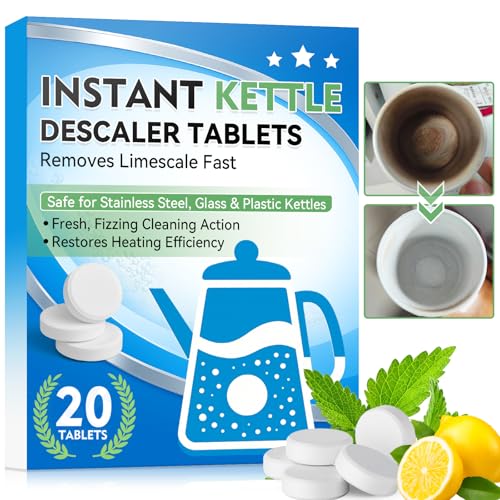
- kettle descaler tablets
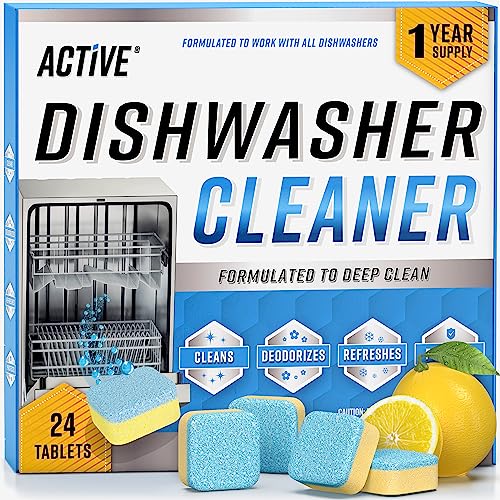
- dishwasher descaler powder
- showerhead cleaning kit descaler
- bathroom descaler gel for toilets sinks

Before You Start
Prepare the area by laying down towels or old cloths to catch drips. Ventilate the bathroom or kitchen if the products have strong fumes. Test a small, inconspicuous area first to ensure no discoloration or surface damage occurs. Time estimates vary: most spot-cleanings take 10–20 minutes, while full appliance treatments may require 30–60 minutes including soaking.
Safety notes: wear gloves and eye protection when handling descalers. Keep descalers away from metal surfaces not rated for acidity. Clear the area of pets and kids during treatment. Children should not operate cleaning products without adult supervision.
Step-By-Step: How To Clean Hard Water Deposits
- Identify all affected areas: showerheads, faucets, kettles, dishwasher, toilet rims, and sinks.
- Apply limescale remover spray for showerheads and faucets to mineral buildup on fixtures. Let sit 5–10 minutes for best penetration.
- Rinse and scrub gently with a non-scratch sponge to remove loosened deposits.
- For kettles, use kettle descaler tablets: dissolve a tablet in water per label instructions and bring to a simmer or run a normal boil cycle if the kettle supports it.
- In the dishwasher, use dishwasher descaler powder during a maintenance cycle to dissolve mineral buildups in spray arms and seals. Run a full wash cycle with no dishes.
- For showerhead blockages, install the showerhead cleaning kit descaler or soak the head in a descaling solution. Rinse thoroughly and reattach the showerhead.
- Apply bathroom descaler gel for toilets sinks to toilet bowls, rims, and under rims; spread on mineral deposits, let set, then scrub and rinse. Wipe sinks and faucets with a damp cloth.
- Flush appliances and surfaces with clean water. Dry surfaces to prevent new spotting, especially on shiny metal and glass.
- Perform a quick follow-up cleaning every few weeks to deter new mineral buildup.
Troubleshooting
| Symptom | Likely Cause | Fix | Prevention |
|---|---|---|---|
| Residual white film after cleaning | Insufficient rinsing or stubborn mineral film | Rinse again and reapply descaler for tougher spots | Regular light cleanings to prevent buildup |
| Slow faucet flow after cleaning | Pipe scale buildup extending beyond visible area | Use kettle descaler tablets in hot water cycle or consult a plumber | Monthly maintenance with descalers |
| Discoloration on fixtures | Acid sensitivity or surface finish | Switch to a milder gel and test in hidden area | Avoid harsh products on delicate finishes |
| Dishwasher not cleaning well | Spray arms clogged with scale | Run dishwasher descaler powder on maintenance cycle | Use annual descaling and regular rinse aid |
Common Mistakes
- Using abrasive tools on delicate finishes, causing scratches
- Mixing different descalers that react and release fumes or cause staining
- Over-soaking metal parts that may corrode
- Neglecting plumbing behind walls where mineral buildup hides
Tips For Best Results
- Follow product instructions precisely, especially contact times and dilution ratios
- Warm or hot water generally improves descaling effectiveness for mineral deposits
- Use a dedicated descaler for appliances to avoid residue in food or drink areas
- Keep surfaces dry after cleaning to reduce rapid redeposition of minerals
- Combine weekly light cleaning with periodic deep descale for long-term upkeep
Call A Professional
Seek professional help if: there is persistent limescale despite multiple treatments, visible corrosion appears, or water flow remains restricted after descaling. If fixtures show leakage, if the plumbing system demands disassembly, or if you notice unusual odors after using descalers, contact a licensed plumber. Pro involvement is advised for complex appliance internals or recurring hard water issues.
FAQ
What is the best descaler for showerheads?
Choose a dedicated showerhead descaler or spray designed to dissolve mineral buildup; soak small parts if needed and rinse thoroughly.
Can I descale kettles with tablet descalers?
Yes. Follow the tablet instructions; some kettles support timed boiling with descaler solution for safe mineral removal.
Is dishwasher descaler safe for coatings?
Most dishwasher descalers are formulated for dishwasher components. Use as directed and avoid direct contact with metal surfaces not rated for acidity.
How often should I descale appliances?
High-hardness water regions may require monthly maintenance for appliances, with deeper descales every 3–6 months depending on usage.
Are descalers safe for septic systems?
Many descalers are compatible with septic systems when used as directed. Check product labels for guidance on septic compatibility.
Buying Guide
When selecting products to fight hard water deposits, consider size, ease of use, and surface compatibility. If you want targeted spot cleaning, a spray or gel for showers and sinks is convenient. For appliances, descaler powders or kettle descaler tablets are effective, but ensure compatibility with seals and coatings.
Size and frequency go hand in hand: larger bottles reduce repeat purchases but require storage space. Most households benefit from a mixed approach: a spray for fixtures, a kettle descaler for appliances, and a dishwasher descaler powder for periodic maintenance.
Noise levels are rarely a concern with descalers, but kitchen appliance cycles should be directed by manufacturer guidelines to avoid damage. For placement, store descalers in a cool, dry cabinet away from children and pets. Look for products that are labeled for bathroom, kitchen, and appliance use to simplify shopping.
Do you prefer a comprehensive kit or individual products? A showerhead cleaning kit descaler plus a bathroom descaler gel offers all-in-one coverage for most homes, while kettle descaler tablets and dishwasher descaler powder handle periodic upkeep and appliance care.