Grease spots on concrete can be stubborn, but with a clear plan and the right products, most stains fade significantly. This guide explains proven methods, from initial blotting to deep cleaning, using consumer and professional-grade products designed for concrete surfaces in homes, garages, and driveways.
The approach combines chemistry, mechanical action, and safe work practices to minimize damage to the concrete while restoring its appearance. Readers will find step-by-step instructions, troubleshooting tips, and a buying guide to help choose effective cleaners and tools for future use.
Quick Answer
Best overall approach: apply a degreaser, agitate with a stiff brush, and rinse thoroughly. For set-in stains, repeat with a stronger cleaner or a granular powder, then wash away. For large outdoor spills, a pressure washer kit speeds up the process.
What You’ll Need
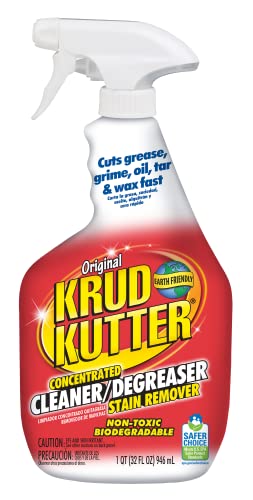
- Concrete degreaser spray for grease stains
- Industrial concrete degreaser and cleaner solvent
- Pressure washer concrete cleaning kit
- Granular concrete cleaner degreaser powder
- Oil stain remover for concrete


Before You Start
Identify the type of grease (motor oil, cooking oil, or other lubricants) and test any cleaner on a hidden area first. Protect nearby plants and use durable gloves and eye protection. Work in a shaded area when possible to prevent rapid drying. Plan for a two-step process: surface cleaning followed by stain-specific treatment. Expect several hours for complete treatment on large areas.
Caution: some solvents can affect sealants or coatings on concrete; avoid prolonged skin contact and ensure good ventilation when using chemical cleaners.
Step-By-Step: How To Clean Grease Off Concrete
- Blot fresh spills with absorbent material to remove as much liquid as possible without rubbing the stain deeper.
- Apply a concrete degreaser spray for grease stains directly to the affected area and let it dwell for 5–15 minutes, following the product label.
- Gently agitate with a stiff brush or deck brush to lift embedded grease from the pores of the concrete.
- Rinse with clean water to remove loosened material; adjust water pressure to avoid splashing or damaging the surface.
- If the stain persists, sprinkle granular concrete cleaner degreaser powder on the area and moisten slightly to create a paste; scrub and let sit as directed before rinsing.
- For stubborn stains, apply oil stain remover for concrete and work in with a brush, then rinse thoroughly. Repeat as needed.
- For large outdoor areas or heavy buildup, use a pressure washer concrete cleaning kit to remove residual cleaner and grease; start at the high edge and work downward.
- Dry the area completely and inspect for any remaining ghost stains. Repeat treatment if necessary after the surface dries.
- Seal or reseal the concrete if you notice recurring staining or to enhance future cleaning ease, according to manufacturer guidance.
- Dispose of cleaning liquids according to local regulations and clean all equipment after use to prevent residue buildup.
- Record the products used and stain type for future reference and maintenance planning.
Troubleshooting
| Symptom | Likely Cause | Fix | Prevention |
|---|---|---|---|
| Stain remains after first clean | Stain baked into concrete | Repeat with stronger degreaser or granular powder | Address spills promptly; seal concrete to resist future staining |
| Bleach or whitening after cleaning | Overuse of solvent or improper rinse | Rinse thoroughly, re-wet and re-clean with standard solution | Follow label directions; test in a hidden area first |
| Surface appears dull or rough | Acidic cleaners left residue | Rinse with plenty of water; avoid acidic products on color-treated surfaces | Use neutral cleaners for final rinse |
| Residue after washing | Leftover cleaning agent | Apply fresh water and scrub, then rinse again | Use minimal cleaner; ensure complete rinsing |
Common Mistakes
- Using overly harsh cleaners that etch or discolor concrete
- Not protecting surrounding plants or surfaces from runoff
- Skipping a test patch on hidden areas before full application
- Rushing the rinse phase, leaving residue that attracts new dirt
Tips For Best Results
- Work from the edge of the stain toward the center to prevent spreading.
- Choose a cleaner formulated for grease and oil on concrete, not general purpose cleaners.
- For outdoor stains, plan to do cleaning on a cool, overcast day to prevent quick drying.
- Keep a damp zone of the area during cleaning to better mobilize grease particles.
- Store cleaners in a cool, dry place and label containers for easy reference.
Call A Professional
Consider hiring a pro if stains are deeply set, if you are unsure about chemical compatibility with stamped or painted concrete, or if the stain covers a very large area. Seek immediate help for chemical burns, strong fumes, or if clean-up requires specialized equipment beyond a typical home setup.
FAQ
What is the best product to remove grease from concrete?
Start with a concrete degreaser spray for grease stains and, if needed, follow with an oil stain remover for concrete for stubborn spots.
Can I use a pressure washer on stained concrete?
Yes, a pressure washer concrete cleaning kit is effective, especially after applying degreasers; use appropriate nozzle pressure to avoid surface damage.
Are there safer alternatives to chemical degreasers?
For lighter stains, a mixture of baking soda and warm water can help lift grease, though stronger cleaners are often more effective for tough stains.
How soon should I reseal after cleaning?
Seal after the surface is completely dry and free of grease; resealing can help prevent future staining and simplify maintenance.
Is it safe to use household degreasers on concrete?
Household degreasers may work but are usually less effective and can leave residues; use products designed for concrete cleaning when possible.
Do I need to remove existing coatings before cleaning?
Yes, coatings can trap grease under seals. Cleaning should focus on the concrete surface; consult a pro if coatings are present.
Buying Guide
When selecting products to clean grease off concrete, consider size of the area, stain severity, and whether you will clean indoors or outdoors.
Size and scope: For small spots, a spray degreaser and a brush may suffice; for large driveways, a pressure washer kit speeds up the job.
Noise level: Outdoor work may involve a noisy pressure washer; check equipment sound ratings if neighbors are nearby.
Energy efficiency: Choose efficient, low-energy cleaners and rechargeable or corded power tools that fit your storage space.
Controls: Look for easy-to-use spray bottles, clear dwell times, and simple rinse instructions to minimize mistakes.
Placement: Outdoor concrete areas benefit from weather compatibility and UV resistance in sealants and cleaners.
Buying perspectives: Compare product labels for recommended dwell times, surface compatibility, and disposable guidelines. Consider a kit that includes a degreaser, powder, and a compatible cleaning tool for a complete solution.