Golf cart seats, especially those made from vinyl upholstery, can accumulate dirt, sweat, and spills. A regular, gentle cleaning routine keeps them looking fresh and extends their lifespan. This guide provides practical steps, tool recommendations, and safety notes tailored for American golfers and cart enthusiasts.
Quick Answer
Start with a light vacuum or brush to remove loose debris, apply a vinyl-safe cleaner, scrub with a microfiber towel, and finish with a vinyl conditioner protectant to maintain suppleness. For stubborn stains, use a targeted stain remover for vinyl, then recondition. Always test cleaners in an inconspicuous area first.
What You’ll Need
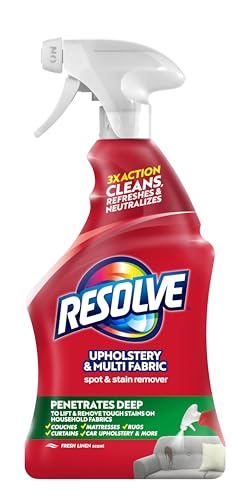
- golf cart vinyl upholstery cleaner spray
- golf cart seat stain remover for vinyl
- microfiber towel set for golf cart seat cleaning
- vinyl conditioner protectant for golf cart seats
- all-purpose cleaner for golf cart interior vinyl seats


Before You Start
Prepare a clean, shaded work area and ensure the cart is off and cool before cleaning. Vacuum or brush the seats to remove loose dirt and sand, which can scratch vinyl during scrubbing. Perform a spot test by applying cleaner to a hidden area to confirm it does not discolor the material. Protect surrounding dashboards and plastic trims with towels or painter’s tape to prevent cleaner contact. Plan for a 20–40 minute session depending on condition, plus 10 minutes for conditioning.
Step-By-Step: How To Clean Golf Cart Seats
- Remove loose debris with a dry microfiber cloth or soft brush to prevent grinding dirt into the vinyl.
- Lightly mist the seats with a vinyl upholstery cleaner spray, focusing on stained or high-traffic areas.
- Gently scrub in circular motions using a clean microfiber towel to lift dirt without abrading the surface.
- For stubborn spots, apply golf cart seat stain remover for vinyl directly to the area and let it sit for 2–5 minutes before scrubbing again.
- Wipe away residue with a fresh microfiber towel and repeat as needed until the surface appears clean.
- Rinse the area with a damp towel to remove any cleaner residue that could attract dirt later.
- Dry the seats with a dry microfiber towel and allow them to air-dry completely before use.
- Apply a vinyl conditioner protectant to restore moisture and UV resistance, following product directions for coverage and drying time.
Troubleshooting
| Symptom | Likely Cause | Fix | Prevention |
|---|---|---|---|
| Sticky residue after cleaning | Overuse of cleaner or residue buildup | Wipe with a damp cloth and reapply conditioner | Use sparingly; test first |
| Faded or discolored spots | Strong cleaners or sun exposure | Switch to a gentle vinyl-safe cleaner and apply conditioner | Keep covered or parked in shade when not in use |
| Cracking after cleaning | Over-drying or harsh scrubbing | Limit scrubbing pressure; recondition | Regular light cleaning; avoid solvent cleaners |
| Persistent stains | Deep-set spills | Use targeted stain remover and re-treat | Prompt blotting of spills in the future |
Common Mistakes
- Using harsh household cleaners not designed for vinyl
- Scrubbing too aggressively, causing surface wear
- Skipping the test patch and applying cleaners to all areas
- Neglecting the backs or seams, where dirt hides
- Not conditioning after cleaning, leading to stiff vinyl over time
Tips For Best Results
- Gently blot spills with a microfiber towel as soon as they occur to minimize staining.
- Use a dedicated microfiber towel set to avoid lint transfer during cleaning.
- Work in small sections to ensure even cleaning and faster drying.
- Follow with a vinyl conditioner protectant to restore flexibility and UV resistance.
- Test any cleaner on a hidden area before full application to prevent discoloration.
Call A Professional
Consult a professional if seats show deep cracks, severe cracking, or fading beyond standard cleaning capabilities. Stop cleaning and seek expert advice if the vinyl backings or stitching appear damaged or if the carpet under the seats is compromised. If you notice persistent mold or musty odors that do not respond to cleaning, it may require professional treatment or replacement.
FAQ
Can I use household cleaners on golf cart vinyl seats?
It’s best to use cleaners specifically designed for vinyl upholstery to avoid damage or discoloration.
How often should I clean golf cart seats?
A light clean every 1–2 weeks and a deeper clean every 1–2 months works well for most carts.
Do I need to seal or wax vinyl seats?
Applying a vinyl conditioner protectant is usually sufficient; avoid waxes not intended for vinyl surfaces.
What about stubborn odors from spills?
Pre-treat with a vinyl-safe stain remover and ensure thorough drying; consider a light deodorizing spray compatible with vinyl.
Buying Guide
When choosing products for golf cart seat care, consider size, compatibility with vinyl, and intended use. A few key factors help comparison-shopping:
- Size and coverage: Select cleaners and conditioners that match the seat surfaces on your cart, including seams and bolsters.
- Cleaning power vs. gentleness: Look for vinyl-safe formulas that remove dirt without abrading the surface.
- Stain removal capability: For frequent spills, include a targeted vinyl stain remover for vinyl.
- Conditioner and UV protection: Choose a conditioner that restores moisture and offers UV resistance to prevent cracking and fading.
- Application method: Spray cleaners paired with microfiber towels are convenient and effective.
- All-in-one options: All-purpose cleaners labeled safe for vinyl can simplify maintenance, but verify compatibility.
- Durability and scent: Some products have stronger fragrances; select low-odor formulas if needed in enclosed carts.
- Placement and storage: Store cleaners away from heat and direct sunlight; keep within easy reach near the cart for maintenance after rides.