Keeping glasses clean improves vision, extends lens life, and reduces eye strain. This guide outlines practical, safe methods to clean most everyday eyeglasses and minimize smudges, without damaging coatings. It combines proven techniques with product options commonly used in American households.
Quick Answer
For most frames and lenses, start with a quick rinse under running water to loosen dust, apply a small amount of lens cleaning spray or use a microfiber cloth, and finish with a gentle wipe from the center outward. For travel, use lens cleaning wipes and keep a compact microfiber cloth on hand.
What You’ll Need
- Microfiber eyeglass cleaning cloth 6×7 inches lint-free
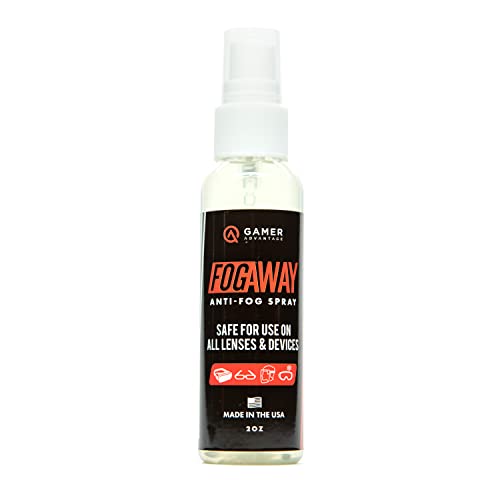
- Anti-fog lens cleaner spray for glasses 2 oz
- Eyeglass cleaning kit with microfiber cloth and spray
- Lens cleaning wipes for eyeglasses hypoallergenic travel pack
- Ultra-soft microfiber lens cleaning cloth 8×8 inches


Before You Start
Clear a clean, flat surface to work on and wash hands to prevent transferring oils. If lenses have coatings, avoid harsh chemicals and rough scrubbing. Do not use household cleaners like window spray or soap with high abrasive content, which can strip coatings. Typical cleaning sessions take about 2–5 minutes per pair. Critical cautions include avoiding hot water on plastic lenses and not rubbing vigorously, which can scratch coatings.
Step-By-Step: How To Clean Glasses Safely and Effectively
- Rinse the glasses under lukewarm water to remove loose dust and debris. This reduces the risk of scratching during wiping.
- Apply a small amount of anti-fog lens cleaner spray for glasses or a dedicated cleaning spray to the lenses, if available.
- Gently spread the cleaner with a clean microfiber cloth, covering the entire lens surface in a circular motion.
- Wipe the frames and nose pads to remove oils and fingerprints, using a separate area of the cloth for the bridge and temples.
- Use a microfiber eyeglass cleaning cloth to finish any final buffing, moving from the center of the lens outward to corners.
- For stubborn smudges, switch to the ultra-soft microfiber lens cleaning cloth 8×8 inches and apply light pressure in straight lines.
- If traveling, use lens cleaning wipes for eyeglasses hypoallergenic travel pack for quick touch-ups, followed by a gentle wipe with a microfiber cloth.
- Let the lenses air-dry for a moment before wearing to prevent streaks, or lightly buff with a dry section of cloth.
- Inspect for streaks or missed spots; repeat as necessary with minimal moisture and gentle strokes.
- Store glasses in a protective case when not in use to prevent dust buildup and scratches.
- If lenses have anti-reflective or other coatings, avoid ammonia-based cleaners and abrasive materials even in emergency cleanings.
- Regularly replace worn microfiber cloths to maintain cleaning effectiveness and avoid transferring fibers onto lenses.
Troubleshooting
| Symptom | Likely Cause | Fix | Prevention |
|---|---|---|---|
| Lenses streak after cleaning | Residue from cleaner or cloth fibers | Switch to a fresh microfiber cloth and use minimal cleaner | Wash hands before cleaning and use clean cloths |
| Smudges reappear quickly | Oils from skin or hair | Clean hands, use anti-fog spray, and wipe in consistent motions | Keep wipes handy for quick refreshes |
| Scratches or coating wear | Rubbing with abrasive materials | Use only soft microfiber cloths and recommended sprays | Avoid household cleaners and rough towels |
| Lenses fog up in cold weather | Lack of anti-fog treatment | Apply anti-fog lens cleaner spray or anti-fog wipes | Reapply as needed per product directions |
| Cloth leaves lint on lenses | Dirty cleaning cloth | Wash or replace microfiber cloth | Use lint-free cloths specifically designed for optics |
Common Mistakes To Avoid
- Using household cleaners or soaps with fragrance and additives
- Rubbing lenses dry with rough towels or paper towels
- Cleaning while lenses are dry, which can grind dust into coatings
- Neglecting to dry lenses before wearing, which can irritate eyes
Sticking to purpose-made tools and cleaners helps preserve lens coatings and prolongs eyewear life.
Tips For Best Results
- Keep at least two microfiber cloths: one for general cleaning and one for travel touch-ups.
- Store cleaning cloths separately from other fabrics to prevent lint transfer.
- Use the spray feature sparingly; a light mist is usually sufficient on each lens.
- Consider a dedicated cleaning kit that includes both spray and microfiber cloths for consistency.
- Test any new cleaning product on a small area first to confirm compatibility with lens coatings.
Call A Professional
Seek professional help if glasses have persistent coating damage, significant scratches, misaligned frames, or if you notice vision distortion after cleaning. Stop using products that seem to cause irritation or worsen fogging, and consult an optician or eyewear technician for an evaluation.
FAQ
What’s the safest way to clean coated lenses?
Use a dedicated anti-fog lens cleaner or a gentle spray with a microfiber cloth, avoiding ammonia and harsh chemicals.
Can I use water alone to clean glasses?
Yes, rinsing with lukewarm water helps remove dust before wiping with a microfiber cloth.
How often should I replace my microfiber cloth?
Replace when the cloth begins shedding fibers or loses its softness and effectiveness.
Are lens cleaning wipes as good as spray and cloth?
Wipes are convenient, especially on the go, but a spray plus cloth generally provides a thorough clean with fewer streaks.
Buying Guide
When choosing glass cleaning tools, consider how often you clean glasses, your travel needs, and the lens coatings on your frames. Ask yourself these questions to guide selection:
- Size and compatibility: Do the cleaning cloths fit your lenses and frames without excessive rubbing?
- Noise level and ease of use: Do you prefer spray bottles, wipes, or pre-moistened cloths for quick cleans?
- Energy efficiency of products (where applicable): Choose no-scent, gentle formulas that require minimal product to cover lenses.
- Controls and convenience: Is a spray bottle easy to control, or do you prefer single-use wipes?
- Placement and portability: Will you carry cleaning supplies in a case, bag, or pocket?
For most users, a compact kit with microfiber cloths and a gentle cleaning spray offers the best balance of effectiveness and convenience. If you frequently wear glasses with anti-fog coatings or use masks, consider a dedicated anti-fog spray to minimize fogging in daily scenarios.