Cleaning glass shower doors can be quick and effective with a simple baking soda method. This guide outlines a practical, American-friendly approach that uses common tools and minimizes harsh chemicals, helping doors stay clear and streak-free.
Quick Answer
Mix baking soda with water to form a paste, apply to glass doors, scrub with a nylon brush, rinse, and dry with microfiber cloths. For tough soap scum, use a spray bottle with a baking soda solution and finish with a silicone blade or scraper to remove residue.
What You’ll Need
- Stainless steel shower squeegee for glass doors
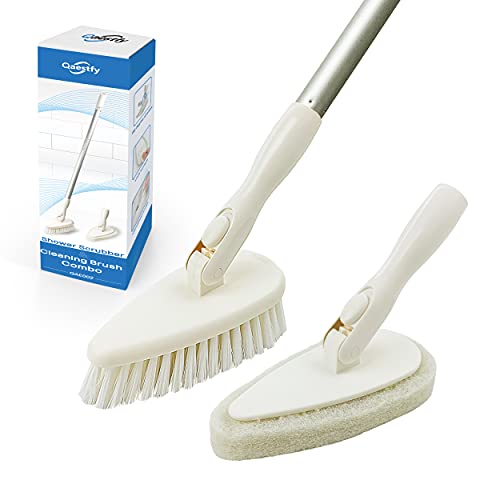
- Long-handled nylon scrub brush for glass shower doors
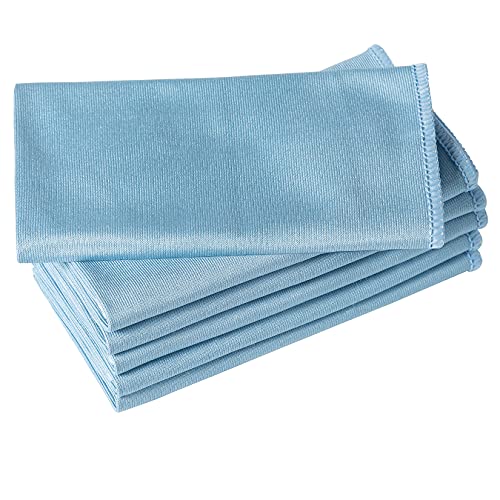
- Microfiber cleaning cloths for glass shower doors
- Spray bottle for baking soda cleaning solution
- Glass shower door cleaning kit with scraper and sponge

Before You Start
Prepare the shower area and ventilation. Lay down a towel to catch drips and protect metal fixtures. Time estimate: 15–25 minutes for a standard door. Safety note: avoid mixing baking soda with acidic cleaners in the same container and wear gloves if you have sensitive skin. Ensure surfaces are cool to the touch before cleaning to prevent streaks.
Step-By-Step: How To Clean Glass Shower Doors With Baking Soda
- Remove any items from the shower and rinse the doors with warm water to loosen surface grime.
- Mix a paste with baking soda and water in a small bowl until it reaches a thick but spreadable consistency.
- Apply the paste to the glass using the sponge from the kit or a microfiber cloth, focusing on cloudy or soap-scum areas.
- Let the paste sit for 5–10 minutes to break down mineral deposits, then scrub with the long-handled nylon brush to lift buildup.
- Rinse thoroughly with warm water, aiming to remove all baking soda residue from the glass and tracks.
- For stubborn spots, apply more paste, let it sit briefly, and re-scrub with a scraper or the kit’s scraper edge to lift residue without scratching the glass.
- Dry the doors with a microfiber cloth, then use the squeegee to remove remaining moisture after each shower to prevent new buildup.
- Optional: wipe metal hardware with a damp microfiber cloth to prevent water spots; finish by drying with a clean cloth.
- For ongoing maintenance, spray a light mist of baking soda solution after showers and wipe down weekly.
- Store tools in a ready-to-use spot, ensuring the scraper blade stays sharp and free of nicks.
- Rinse and dry the entire area again if soap scum reappears, repeating the process as needed.
Troubleshooting
| Symptom | Likely Cause | Fix | Prevention |
|---|---|---|---|
| Cloudy glass after cleaning | Residual baking soda or hard water minerals | Rinse thoroughly, dry with microfiber, and buff with squeegee | Wipe dry after each shower |
| Streaks or white film | Soap scum and mineral buildup | Apply more paste to problem area, scrub, rinse, and dry | Regular maintenance to prevent buildup |
| Scraper blade won’t glide | Dried residue on blade edge | Clean blade edge with a damp cloth and re-wipe | Keep blade clean and dry between uses |
| Scratches on glass | Rough cleaning tools or metal fragments | Use nylon brush and non-abrasive sponge only | Inspect tools before use |
Common Mistakes
- Using abrasive scrub pads that can scratch glass
- Skipping a thorough rinse, leaving baking soda residue
- Not drying the glass after cleaning, leading to rapid re-fogging
- Over-wetting the area near metal fixtures, causing rust marks
Sticking to gentle tools and a consistent schedule minimizes these issues and keeps glass looking clear.
Tips For Best Results
- Warm water helps baking soda dissolve minerals more effectively than cold water
- Pair baking soda with a light vinegar spray for particularly tough spots, then rinse well
- Use a microfiber cloth for a streak-free finish and quick buffing
- Apply baking soda solution after every few showers to slow buildup
- Replace the scraper blade if it dulls to avoid scratching
Call A Professional
Consider a pro if the glass is chipped, etched, or heavily pitted, or if mineral buildup is stubborn despite repeated cleaning. Signs to stop attempting DIY remediation include persistent etching, extensive clouding, or any loosening of glass panels. A professional can assess structural integrity and recommend appropriate maintenance or replacement options.
FAQ
Is baking soda safe for all glass shower doors?
Yes, baking soda is generally safe for standard glass, but avoid using it on etched or damaged glass where the surface is compromised.
Can I use baking soda every day?
Daily use isn’t necessary; a light weekly wipe plus a quick after-shower spray can prevent buildup.
What if there’s hard water staining?
Let a stronger baking soda paste sit longer, then scrub with a nylon brush and rinse thoroughly.
Do I need to rinse with vinegar after baking soda?
Rinsing with water is usually enough; combine with vinegar only if stubborn residues persist, then rinse well.
What cleaning routine keeps doors sparkling longer?
Regular maintenance: quick spray after showers, weekly paste treatment on spots, and drying with a squeegee.
Which tools help maximize cleaning efficiency?
The combination of a squeegee, nylon brush, microfiber cloths, and a dedicated scraper kit yields the best results.
Buying Guide
Choosing the right tools and setup for cleaning glass shower doors with baking soda depends on several factors. Consider size and access—larger doors benefit from extending tools like long-handled nylon brushes and longer squeegees. Noise level matters in shared spaces; look for quiet, hand-operated squeegees. Energy efficiency is less of a concern here, but you’ll save water and time with efficient scrubbing and a reusable spray bottle. Controls should be simple: prefer tools that feel sturdy, with comfortable handles and easy-to-clean surfaces. Placement matters for storage—keep cleaning gear in a dry cabinet near the shower to encourage regular use. Compare kits that include a scraper, sponge, and sturdy microfiber cloths; a complete kit reduces the need for separate purchases. When unsure, prioritize durability and compatibility with tempered glass, and check user reviews for real-world performance. Do you want a compact kit for small bathrooms or a full-size set for frequent deep cleans? The right combination balances convenience, effectiveness, and budget while keeping glass doors clear and streak-free.