Front-load GE washers provide energy efficiency and great cleaning performance, but regular maintenance is essential to prevent odor, residue, and mold. This guide outlines practical steps, safe products, and smart routines to keep a GE front loader fresh and running smoothly.
Whether you’re dealing with musty smells or mineral buildup, following a structured cleaning routine helps extend the life of your washer and improve wash outcomes.
Quick Answer
Run a dedicated cleaning cycle or hot water wash with a descaler or washing machine cleaner, clean the gasket with a specialized brush, and wipe the door and drum. Use a front-load safe spray for targeted grime, and finish with a regular weekly maintenance schedule.
What You’ll Need
- drum cleaning tablets for front load washing machine
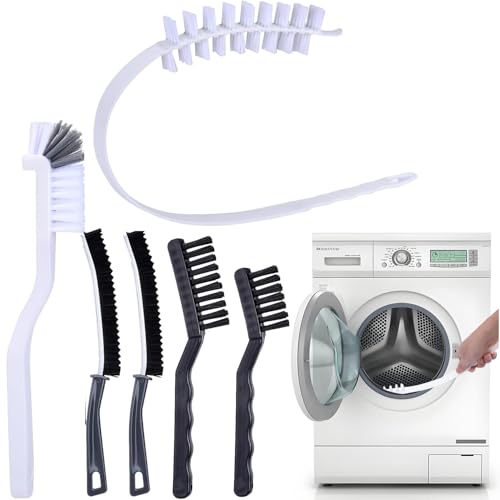
- gasket cleaning brush for front load washer
- washing machine descaler calcium lime remover
- front load washer cleaning spray
- washing machine filter cleaning brush


Before You Start
Ensure the washer is empty and the drum is accessible. Use gloves if you have sensitive skin. Run the cleaning cycle with the hottest water setting available, or follow the product directions on the descaler. Do not mix cleaning products with bleach or ammonia. Allow the drum to dry after cleaning to help prevent mold growth. Estimate 45–90 minutes for a full cleaning cycle, plus 10–15 minutes for manual surface cleaning.
Step-By-Step: How To Clean A GE Front Load Washer
- Remove clothes and run a quick rinse cycle to clear debris from the drum.
- Apply a drum cleaning tablet or appropriate cleaner directly into the drum and start a hot wash cycle.
- While the drum is cleaning, spray the door seal and gasket with front load washer cleaning spray and wipe away residue with a microfiber cloth.
- Gently scrub the gasket folds with the gasket cleaning brush for front load washer to remove soap scum and mold.
- Run the washer’s cleaning cycle or a second hot cycle with the descaler calcium lime remover for mineral buildup in pipes and dispensers.
- Wipe the detergent dispenser and rinse it under warm water; use the cleaning brush to remove soap residue.
- Check the filter and drain area; use the washing machine filter cleaning brush to remove lint and debris, then rinse thoroughly.
- Leave the door ajar after cleaning to improve air circulation and prevent mold growth.
Troubleshooting
| Symptom | Likely Cause | Fix | Prevention |
|---|---|---|---|
| Persistent odor after cleaning | Residual soap scum or mildew | Repeat cleaning cycle with cleaner; clean gasket again | Leave door ajar between uses; run monthly clean cycles |
| Water not draining | Clogged filter or pump | Clean filter with brush; inspect pump hose | Regularly clean filter and run descaling cycles |
| Soap residue on clothes | Overuse of detergent or buildup in dispenser | Switch to recommended amounts; clean dispenser | Use high-efficiency detergents; run empty clean cycles periodically |
| Gasket mold in folds | Moist environment and soap buildup | Detailed gasket cleaning; dry exposed areas | Wipe dry after every load; keep door slightly open |
Common Mistakes
- Using regular household bleach inside a front-load washer on the gasket or seals
- Skipping the cleaning cycle and relying on washing only
- Neglecting the detergent dispenser and drain pump areas
- Overloading the drum during cleaning cycles
Tips For Best Results
- Run a monthly cleaning cycle to prevent buildup and odor.
- Use a descaler or drum cleaner designed for front-load washers to target mineral deposits.
- Wipe the gasket and door area after each use to minimize moisture retention.
- Inspect hoses for wear and replace damaged connections promptly.
Call A Professional
Consider contacting a professional if you notice persistent drainage issues, unusual noises during cycles, or leaks that do not respond to routine maintenance. Seek help urgently if there is visible mold with strong odors, or if the machine fails to complete any wash cycle despite following the cleaning steps.
FAQ
How often should I clean a GE front-load washer?
Clean monthly with a drum cleaner and descaler, and wipe the gasket weekly to prevent mold and odors.
Can I use bleach in a GE front-load washer?
Avoid mixing bleach with other cleaners; use products labeled safe for front-load washers and follow the manufacturer’s instructions.
What cycles best remove mineral buildup?
Use the hottest wash setting with a descaler or drum cleaner designed for front-load washers.
What should I clean first—the drum or the gasket?
Begin with the drum and then thoroughly clean the gasket, as both areas contribute to odors and residue.
Buying Guide
When selecting cleaning products for a GE front-load washer, consider size, efficiency, and compatibility with HE appliances. Look for products specifically labeled for front-load washers and for the gasket area. Options include drum cleaning tablets, gasket brushes, descalers, and spray cleaners that are safe for seals and plastic components. A dedicated cleaning spray offers quick surface touch-ups between full cycles. Always verify that products are non-abrasive and suitable for GE models.
Key buying factors include size and packaging to fit your maintenance routine, noise level during cleaning, energy considerations for any powered cycles, and clear usage instructions. For placement, store cleaners in a cool, dry area away from children, and keep hoses and dispenser parts clean to simplify future maintenance.