Cleaning a garage floor can remove oil spots, grime, and dirt that accumulate from everyday automotive and workshop use. A well-cleaned surface not only looks better but also provides a safer, more reusable workspace. This guide outlines practical steps, tools, and tips tailored for American garages, using common products and equipment.
Quick Answer
Prepare the area, choose the right degreaser for concrete, and choose a pressure washer for heavy buildup. Scrub stubborn stains with a concrete floor scrub brush, then apply an oil stain remover for tough spots. If epoxy floors exist, use an epoxy coating kit for prep and cleaning. Rinse thoroughly and let the floor dry completely before use.
What You’ll Need
- Garage floor degreaser concrete cleaner 1 gallon
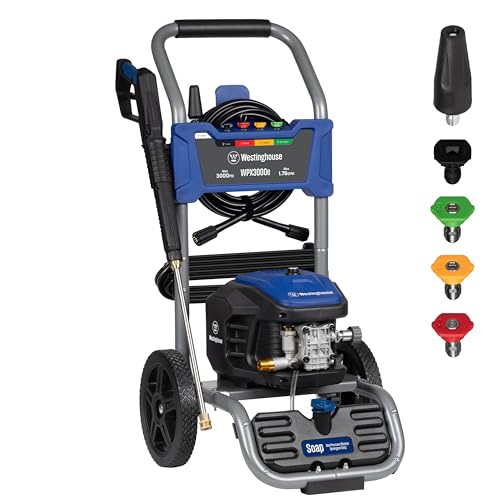
- 3000 PSI pressure washer for concrete cleaning
- Concrete floor scrub brush with long handle garage
- Oil stain remover for concrete garage floor 32 oz
- Epoxy coating kit for garage floor prep and cleaning


Before You Start
Assess the floor type and plan cleaning around weather conditions. Clear the garage, remove vehicles, and protect nearby items with plastic sheeting if needed. Ventilate the space to manage fumes from cleaners. Time estimates vary: a light degreasing session may take 1–2 hours, while a thorough deep clean with a pressure washer can take 2–4 hours, plus drying time. Never mix cleaners or use a pressure washer on a damaged floor without professional guidance.
Step-By-Step: How To Clean A Garage Floor
- Remove loose debris and sweep the floor thoroughly to expose stains.
- Apply the garage floor degreaser concrete cleaner to areas with oil and grease; allow dwell time per product directions.
- Scrub the entire floor with the concrete floor scrub brush with long handle, focusing on stained zones.
- For stubborn oil stains, spray oil stain remover for concrete garage floor and let it work before scrubbing again.
- Rinse with the 3000 PSI pressure washer, starting from the far end and moving toward the door to push dirty water out.
- Reapply cleaner to areas that still appear dirty, repeat scrubbing and rinsing as needed.
- Inspect the surface for remaining stains; spot-treat with cleaner or stain remover as necessary.
- If the floor has epoxy coating, use the epoxy coating kit as part of prep and cleaning to restore the finish according to the kit instructions.
- Allow the floor to dry completely before parking vehicles or placing items back in the garage.
- Dispose of wash water in accordance with local guidelines; never let contaminated water enter storm drains.
- Document any persistent issues that may require professional evaluation, such as deep-set stains or structural concerns.
- Consider applying a protective sealant or coating after drying to simplify future cleaning and maintenance.
Troubleshooting
| Symptom | Likely Cause | Fix | Prevention |
|---|---|---|---|
| Oil stains reappear after cleaning | Stubborn residue or porous concrete | Reapply oil stain remover and scrub with fresh cleaner | Seal concrete after cleaning to repel future spills |
| Poor cleaning performance with pressure washer | Lodged dirt, worn nozzle, or insufficient water pressure | Clean nozzle, use proper spray pattern, increase pressure appropriately | Regular maintenance cleaning to prevent buildup |
| Faint chemical smell | Strong cleaner or insufficient ventilation | Ventilate area; switch to milder cleaner if possible | Work with doors open and use lower-toxicity products |
| Floor remains slippery after wash | Residual cleaner or water on surface | Rinse thoroughly and allow full drying time | Clean in sections to ensure complete rinse |
Common Mistakes
- Using the wrong cleaner for the concrete type or stain
- Too little dwell time on degreasers, resulting in ineffective cleaning
- Skipping a thorough rinse, leaving residue that attracts new dirt
- Not protecting surrounding surfaces or vehicles during cleaning
- Cleaning on a damp or cool surface that slows drying and seals the stain in
Tips For Best Results
- Work in shaded areas to prevent cleaners from drying too fast and leaving streaks.
- Test a small area first to gauge cleaner effectiveness and avoid discoloration.
- Use the long-handle scrub brush to reach underneath stored items and edges.
- For frequent spills, consider a concrete epoxy sealant to simplify future cleanups.
- Wear eye protection and gloves, and follow label directions for all chemicals.
Call A Professional
Seek professional help if the garage floor shows significant structural damage, large cracks, or if staining persists despite repeated cleaning efforts. Signs to consider a pro include deep-set oil saturation and concrete delamination, or if the epoxy coating is peeling rather than cleaning.
FAQ
What kind of cleaner should I use for a concrete garage floor?
Start with a dedicated garage floor degreaser concrete cleaner for routine grime and oil, then switch to an oil stain remover for persistent spots.
Can I use a pressure washer on an epoxy garage floor?
Only if the coating is intact and the manufacturer approves; otherwise, use mild cleaners and follow epoxy kit guidelines.
How long does it take for a garage floor to dry after cleaning?
Drying time depends on temperature and humidity, typically several hours; ensure the surface is completely dry before use.
Is sealing the floor useful after cleaning?
Yes, sealing or applying a coating can reduce future staining and simplify maintenance.
What should I do with wastewater?
Dispose of wash water according to local regulations; avoid storm drains and collect rinse water if required.
Do I need PPE for cleaning?
Yes, wear gloves, eye protection, and proper footwear, and follow label instructions for cleaners.
Buying Guide
When choosing cleaning gear for a garage floor, consider size, noise, energy use, and placement. For degreasing and deep cleaning, a high-pressure washer (around 3000 PSI) is effective for concrete surfaces but may be heavy for frequent use. Look for a durable scrub brush with an ergonomic handle to reach tight corners. If the floor has or may have oil stains, select oil stain removers designed for concrete and test compatibility with your floor type. For epoxy floors, an epoxy coating kit can help with prep and maintenance, ensuring the coating remains smooth and easier to clean. Finally, consider a floor sealant to reduce future staining and simplify maintenance, especially in a busy garage. Do you prefer a quick cleaning routine or a thorough deep-clean approach? A balanced mix of both often yields the best long-term results.