Food grade silicone is prized for its durability, flexibility, and safety in the kitchen. Keeping silicone utensils, bakeware, and mats clean helps prevent odor transfer and extends their life. This guide walks through practical methods, tool options, and best practices suitable for typical American kitchens.
Quick Answer
For everyday cleaning, rinse with warm soapy water, scrub with a soft brush, rinse again, and air dry. For stubborn residue, soak in warm water with a touch of dish soap or use a non-scratch brush to lift grime. If odors linger, a gentle baking soda paste can help without damaging the material.
What You’ll Need
- food grade silicone bakeware cleaning brush
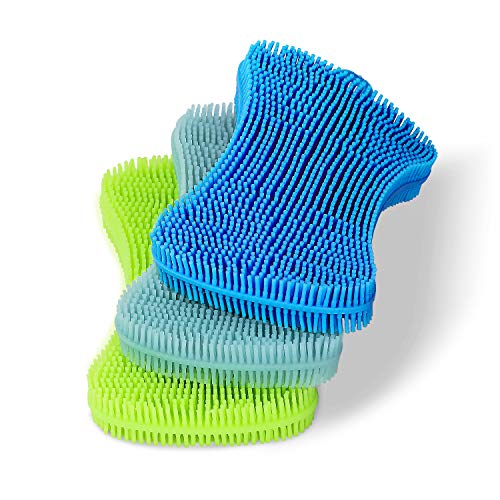
- silicone dish scrubber food grade
- silicone scraper kitchen cleaning tools
- silicone mat cleaning brush non-scratch
- ultrasonic cleaner for silicone kitchen utensils


Before You Start
Ensure the silicone items are fully cool before handling. Use warm water rather than hot to avoid warping from rapid temperature changes. For dishwasher use, check manufacturer guidance; many silicone items are dishwasher safe on a gentle cycle, but top-rack placement reduces exposure to intense heat. Keep silicone away from sharp edges to prevent cuts and inspect for deep cracks that may harbor bacteria. Estimate 5–20 minutes for standard cleaning, longer if you’re removing built-up residue.
Step-By-Step: How To Clean Food Grade Silicone
- Rinse the silicone item under warm running water to remove loose debris.
- Apply a mild dish soap and spread it evenly with a soft brush or sponge.
- Gently scrub all surfaces, including seams and creases, using circular motions.
- For stubborn residue, soak in warm, soapy water for 10–15 minutes before scrubbing again.
- Rinse thoroughly with clean water to remove all soap residue.
- If odor remains, create a light paste with baking soda and water, apply to the surface, and rinse well.
- Air-dry on a rack or towel, ensuring both sides are fully exposed to air.
- For items with intricate shapes, use an ultrasonic cleaner for silicone kitchen utensils on a gentle cycle as directed by the manufacturer.
- Inspect for any signs of wear, like cracking or hardening, before reuse.
- Store clean silicone items in a dry, ventilated area to prevent moisture buildup.
Troubleshooting
| Symptom | Likely Cause | Fix | Prevention |
|---|---|---|---|
| Persistent odor after washing | Residual oils or food particles trapped in seams | Use baking soda paste, rinse thoroughly, and air dry | Pre-rinse after each use; avoid leaving food in contact for long |
| Stubborn greasy film | Grease buildup from fatty foods | Soak in warm water with a small amount of degreasing dish soap; rewash | Rinse immediately after use with warm water |
| Discoloration | Strong dyes or prolonged exposure to heat | Soak in a vinegar solution (1:1) briefly, rinse | Avoid contact with highly pigmented foods for long periods |
| Silicone feels stiff or tacky | Overheating or chemical cleaners | Rinse with plain water and air dry; repeat cleaning with mild soap | Avoid harsh solvents |
| Cracks or tears | Excessive wear or age | Replace the item | Inspect regularly and retire if compromised |
Common Mistakes
- Using abrasive scrubbers on silicone, which can create micro-scratches
- Leaving silicone items soaking in hot water for too long
- Mixing dishwasher detergents with highly pigmented foods that stain
- Ignoring manufacturer care instructions, especially for high-heat items
Tips For Best Results
- Always rinse thoroughly to remove soap residue, which can affect taste
- Air-dry completely before storing to prevent mold growth
- For odor control, run items through a gentle cycle in an ultrasonic cleaner if available
- Use a dedicated soft-bristle brush for silicone to avoid scratching
- Label and separate silicone items by type to simplify future cleaning
Call A Professional
Consider professional help if silicone items exhibit deep cracks, persistent odors after multiple cleanings, or if there are signs of mold growth that DIY methods cannot remove. Seek guidance from product manufacturers if uncertain about specific care instructions for your silicone items.
FAQ
Can I put silicone bakeware in the dishwasher?
Many silicone bakeware items are dishwasher safe on a gentle cycle, but always check the manufacturer’s guidance first.
What’s the best non-abrasive cleaner for silicone?
Warm water, mild dish soap, and a soft brush are usually enough; avoid abrasive pads.
How do I remove strong odors from silicone?
Wash with soap and water, then try a baking soda paste or a vinegar rinse, followed by thorough rinsing.
Is it safe to use vinegar on silicone?
Yes, in small amounts and well-rinsed afterward; avoid prolonged exposure.
How often should I replace worn silicone items?
Replace when there are deep cracks, tears, or persistent odors that cleaning cannot remove.
Are silicone mats easy to clean?
Yes, rinse and scrub with a soft brush; for stubborn residue, soak briefly and rinse well.
What about using an ultrasonic cleaner?
Ultrasonic cleaning can help with intricate shapes, but follow device instructions and avoid harsh cleaners.
Buying Guide
When choosing food grade silicone cleaning tools and accessories, consider size, durability, and ease of use. Look for flexible, non-scratch bristles and heat-resistant materials designed for kitchen use. Key factors include:
- Size and fit: Select brushes and scrapers that match the dimensions of your cookware and utensils.
- Material purity: Verify food-grade silicone and BPA-free construction for safety.
- Cleaning efficiency: Tools with soft, dense bristles remove residue without scratching surfaces.
- Heat resistance: Ensure silicone items tolerate typical oven or sink temperatures without warping.
- Dishwasher compatibility: If preferred, confirm dishwasher-safe labeling for convenience.
- Storage and organization: Choose compact tools that store neatly and dry quickly.
- Specialized aids: Ultrasonic cleaners add value for hard-to-reach areas, but aren’t mandatory.
For most households, a core set includes a silicone dish scrubber, a silicone scraper, a silicone mat cleaning brush, and an ultrasonic option for tough jobs. Consider how often you cook with silicone bakeware and mats to determine the best mix. If you frequently work with sticky or fatty foods, prioritize tools with efficient bristles and gentle materials to preserve silicone’s integrity.