Floor mats protect vehicle interiors and home entryways from dirt, moisture, and wear. This guide presents practical, step-by-step methods to deep-clean various floor mats using common cleaning tools and specialized gear. It emphasizes safe techniques, effective products, and time-efficient approaches suitable for American households and garages.
Whether dealing with muddy car mats or rug and floor mat debris at entryways, the methods below cover everyday messes, pet hair, and stubborn stains. The goal is to restore appearance and extend mat life while avoiding damage to underlying floors or carpeting.
Quick Answer
Best quick method: Use a portable steam cleaner or a dedicated car floor mat cleaning machine extractor to loosen dirt, then scrub with a rug and floor mat deep cleaning brush. For heavily soiled mats, pair a heavy duty floor mat cleaning scraper brush with a thorough rinse and air-dry.
What You’ll Need
- Car floor mat cleaning machine extractor
- Portable steam cleaner for floor mats
- Car floor mat scrub brush set
- Rug and floor mat deep cleaning brush
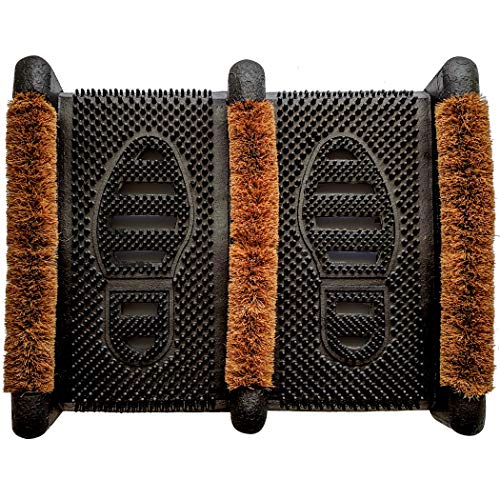
- Heavy duty floor mat cleaning scraper brush
- Plastic buckets, hot water, mild detergent


Before You Start
Inspect mats for wear, tears, or embedded hardware. Vacuum or shake out loose debris before washing. Test a small hidden area with cleaning products to ensure colorfastness. Protect surrounding surfaces and mechanical components if mats are removed for cleaning. Allow ample drying time to prevent mold growth, especially in humid climates. Typical prep time runs 15–30 minutes, while cleaning and drying may take 1–2 hours depending on mat size.
Step-By-Step: How To Clean Floor Mats
- Remove mats from their mounting or backing to access both sides.
- Shake or vacuum thoroughly to remove loose dirt and debris.
- Prep cleaning solution in a bucket: warm water with a mild detergent or enzyme cleaner for organic stains.
- Apply cleaner evenly using a rug and floor mat deep cleaning brush or car floor mat scrub brush set, working in small circular motions.
- For stubborn stains, scrub with a heavy duty floor mat cleaning scraper brush to lift embedded grime without damaging the mat.
- Rinse mats with clean water, ensuring all soap suds are removed to prevent residue.
- Pressure or air-dry outdoors or in a well-ventilated area away from direct sunlight, turning mats to dry both sides.
- Reinstall mats once completely dry, ensuring they lay flat and do not slide.
- For routine maintenance, repeat monthly or as needed based on wear and mud exposure.
- Store excess cleaning tools neatly and wipe down brush heads after use to prolong life.
Troubleshooting
| Symptom | Likely Cause | Fix | Prevention |
|---|---|---|---|
| Mats still feel sticky after washing | Soap residue or detergent buildup | Re-rinse thoroughly and air-dry | Rinse with clean water after cleaning; use minimal detergent |
| Stubborn grease or oil stains | Persistent hydrocarbon soils | Pre-treat with a degreasing cleaner; scrub again | Treat stains promptly; avoid letting oil soak in |
| Color fading or fabric fraying | Harsh cleaners or high heat | Switch to mild detergents; air-dry away from heat | Test cleaners on hidden areas first |
| Mats don’t dry evenly | Thick mats trapping moisture | Increase airflow, separate mats, use fans | Improve ventilation; remove mats to air-dry fully |
Common Mistakes
- Over-wetting mats, which slows drying and encourages mold.
- Using aggressive brushes on delicate mat materials, causing wear.
- Skipping a proper rinse, leaving residue that attracts more dirt.
- Neglecting drying time, leading to odor and mildew concerns.
Following best practices minimizes damage and extends mat life while delivering cleaner results.
Tips For Best Results
- Work in shade on hot days to speed drying and prevent sun damage to mats.
- For pet messes, pre-treat with enzymatic cleaners to break down proteins.
- Alternate brushes for different materials: soft brushes for fabric mats, stiffer for rubber or vinyl.
- Maintain a dedicated mat cleaning station to keep dirt away from interiors.
- Regularly inspect mats for wear and replace when fraying or thinning is evident.
Call A Professional
Seek professional help if mats have extensive mold, strong odors that persist after cleaning, or structural damage such as cracking or tearing. Additionally, if mats are part of a vehicle warranty or specialized equipment, a professional service can ensure compatibility with any integrated sensors or backing systems.
FAQ
How often should I clean car floor mats?
Clean car floor mats monthly or as needed based on use, weather, and exposure to dirt or spills.
Can I clean rubber mats with hot water?
Hot water is generally safe for rubber mats, but avoid harsh chemicals that may degrade the material.
What cleaners are best for fabric mats?
Use mild detergents or enzyme-based cleaners designed for fabrics to prevent fiber damage.
Do I need to remove mats to clean them?
Removing mats allows thorough cleaning on both sides and prevents dirt from returning to the vehicle interior.
Buying Guide
When choosing mats and cleaning gear, consider factors that affect performance and convenience. Common questions include size compatibility, noise level of machines, energy efficiency, control simplicity, and placement options.
- Size and fit: Ensure mats match the vehicle or entryway dimensions. Universal mats should provide full coverage without interfering with pedals or doors.
- Cleaning power: For frequent heavy soiling, a capable extractor or steam cleaner enhances dirt removal and reduces scrubbing time.
- Brush variety: A range of brushes (soft, medium, and stiff) supports different mat materials and stain severities.
- Drying time: Mats with quick-dry features or breathable backing dry faster, preventing mold.
- Noise and ease of use: Consider machines with ergonomic handles and lower noise for home use and apartments.
- Energy and water usage: Look for efficient models that minimize water use and provide controlled spraying or extraction.
- Placement and storage: Compact tools and foldable mats simplify storage in small spaces or garages.
For buyers, evaluating across these factors helps find the right combination of cleaning power, durability, and value. Do you prioritize speed, deep cleaning, or both? A balanced setup with a compatible extractor, a set of focused brushes, and a reliable scrubbing tool typically yields the best results for most homes and vehicles.