Floating floors, including laminate and vinyl plank, require a cleaning routine that protects their protective coatings while removing dirt and grime. The right tools and method help maintain shine and extend life without warping or dulling the surface. This guide outlines practical, step-by-step instructions for American homes to keep floating floors looking their best.
Quick Answer
Use a dedicated laminate floor cleaner spray designed for floating floors, a microfiber mop with washable pads, and a soft microfiber broom for quick dust-up. For stubborn spots, employ a laminate floor cleaning brush and pad kit. Avoid soaking the floor; use a lightly damp mop and wipe away any excess moisture immediately.
What You’ll Need
- Laminate floor cleaner spray for floating floors
- Microfiber mop for laminate floors with washable pads
- Vinyl plank floor cleaner spray mop bundle
- Soft microfiber broom for floating floors dust mop
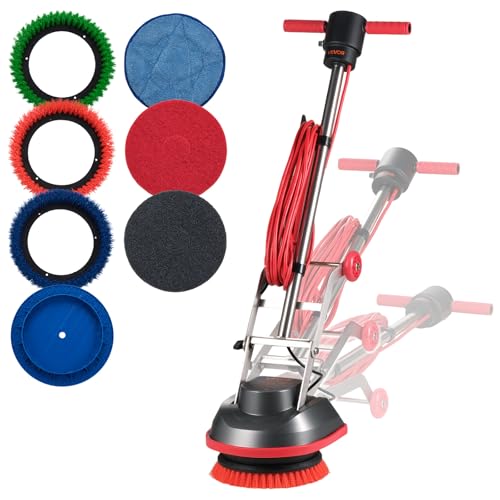
- Laminate floor cleaning brush and pad kit


Before You Start
Before cleaning, remove loose debris with a soft microfiber broom to avoid scratching the surface. Check the floor for any warping or gaps that may indicate moisture exposure. Do not use steam, wax, or overly wet mops on floating floors, as excessive moisture can seep into seams and cause swelling. Plan for a dry, ventilated space and allow time for any moisture to evaporate after cleaning. Warning: Avoid harsh chemicals, ammonia-based cleaners, and abrasive pads that can dull or scratch the finish.
Step-By-Step: How To Clean Floating Floors
- Prepare the area by picking up small objects and vacuuming or sweeping loose dirt to prevent scratches during mopping.
- Lightly dampen the microfiber pad or mop head with the laminate floor cleaner spray designed for floating floors. Wring out excess moisture to avoid pooling behind baseboards.
- Begin cleaning along the edges and move in straight, overlapping passes to cover all floor sections evenly.
- For stubborn stains, apply the cleaner directly to a microfiber brush and gently scrub the spot, then wipe away with a clean, damp pad.
- Rinse or replace the mop pad as needed to avoid re-depositing dirt onto the floor.
- Finish each room by going over high-traffic areas again with a light pass to pick up remaining residue.
- Allow the floor to air-dry completely before moving furniture back into place to prevent moisture contact with edges.
- Regular maintenance: sweep or dust mop daily and use a damp microfiber mop weekly to maintain appearance and prevent buildup.
Troubleshooting
| Symptom | Likely Cause | Fix | Prevention |
|---|---|---|---|
| Dull finish after cleaning | Harsh cleaners or residue | Switch to a laminate floor cleaner spray and thoroughly rinse pads | Use only recommended cleaners for floating floors |
| Puddling or moisture near seams | Over-wetting mop | Wring mop well and use a barely damp pad | Never saturate the floor; work in small sections |
| Scratches from debris | Dry dirt or grit | Vacuum or dry sweep before mopping | Place doormats at entrances and keep pads clean |
| Streaky finish | Soap buildup or oily residue | Rinse mop pad frequently and use minimal cleaner | Avoid oily cleaners and wax-based products |
| Rising humidity or warped boards | Excess moisture | Improve ventilation, reduce mopping moisture | Address moisture sources and don’t mop in humid conditions |
Common Mistakes
- Using steam cleaners or high-pressure steam on floating floors
- Soaking mops or leaving water pooling around baseboards
- Using abrasive pads or cleaners not labeled for laminate or vinyl plank
- Ignoring debris on the surface before mopping, which can scratch the finish
Tips For Best Results
- Dust and sweep regularly to minimize dirt buildup; a soft microfiber broom is ideal for quick maintenance.
- Rotate cleaning tools to avoid cross-contamination between rooms; designate pads for laminate floors and keep them separate from other surfaces.
- Test cleaners in a small, inconspicuous area before full-room use to ensure no discoloration.
- Store cleaning products in a cool, dry place away from direct sunlight to preserve their effectiveness.
- Consider a spray-cleaner bottle designed for floating floors for quick touch-ups in kitchens and entryways.
Call A Professional
Contact a professional if the floor shows signs of persistent swelling, delamination, or visible water damage that does not improve after cleaning. If you notice ongoing discoloration, warping near seams, or if the floor is still sticky after cleaning, a flooring specialist can assess underlying moisture or structural issues and advise on repair or replacement options.
FAQ
How often should I clean floating floors?
Light daily maintenance with a soft broom or microfiber pad is recommended, with a deeper clean using a laminate floor cleaner spray every 1–2 weeks depending on foot traffic.
Can I use any cleaner on laminate or vinyl plank floors?
Use cleaners labeled specifically for floating floors. Avoid ammonia or wax-based products that can dull finishes.
Is steam cleaning safe for floating floors?
No. Steam introduces heat and moisture that can damage seams and edges over time.
What should I do if a spill occurs?
Immediately wipe with a dry cloth, then clean the area with a lightly damp microfiber mop to prevent staining and moisture buildup.
Can I use a regular mop on floating floors?
A microfiber mop with washable pads is best for floating floors; standard cotton mops can push dirt and leave excess moisture behind.
Do I need to reseal or wax floating floors?
No. Floating floors are designed to be maintained with regular cleaning; sealing or waxing is not required and can interfere with the floor’s finish.
Buying Guide
Choosing the right cleaning setup for floating floors involves several factors. Size matters: smaller spaces benefit from compact, easy-to-maneuver tools, while larger areas may justify a more robust kit. Noise level is a practical consideration in apartments or homes with sleeping children. Energy efficiency comes into play when using battery-powered or motorized tools. Look for controls that are intuitive, with adjustable cleaning modes and easily replaceable pads. Placement considerations include accessibility to outlets and storage space. When comparing bundles, prioritize products designed specifically for floating floors, and ensure compatibility with both laminate and vinyl plank surfaces. Would you like a quick check-list to compare different tool bundles side by side?