Faux fur chairs bring plush comfort to living spaces, but regular use can leave them with dirt, hair, and odors. This guide provides practical, step-by-step methods to restore faux fur upholstery without damaging the fabric. It emphasizes safe cleaning practices, suitable tools, and common-sense maintenance that homeowners can perform themselves.
The methods below focus on gentle cleaning, stain removal, and odor control for faux fur chair upholstery. Readers will learn how to apply products, protect the backing, and prevent matting while keeping the chair looking fresh and inviting.
Quick Answer
Target surface dirt with a lint roller, then treat stains with a faux fur upholstery cleaner spray. Use a fabric steamer for light refresh and a vacuum with a crevice tool to lift debris from seams. For set-in odors or pet stains, an enzyme pet stain remover can help. Finish with a light brush to restore the pile.
What You’ll Need
The following tools and products are commonly used to clean a faux fur chair. Gather items before starting to streamline the process.
- faux fur chair upholstery cleaner spray
- enzyme pet stain remover for faux fur upholstery
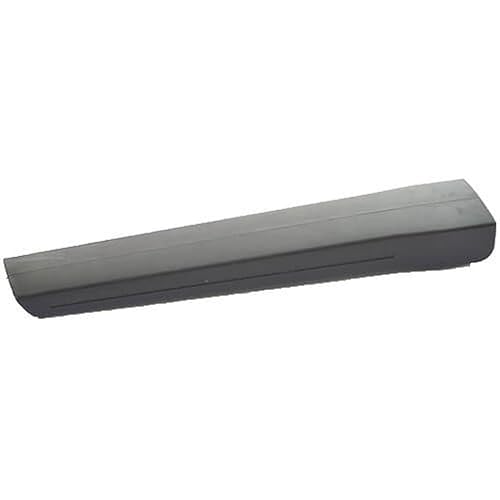
- upholstery vacuum attachment crevice tool for faux fur chair
- fabric steamer for faux fur chair cleaning
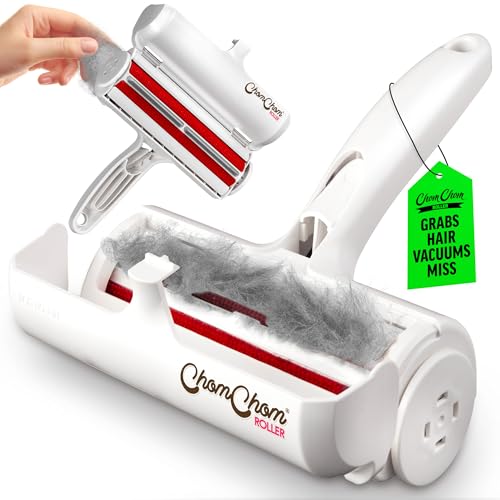
- lint roller for faux fur upholstery

Before You Start
Assess the chair’s care label and test any cleaner in an inconspicuous spot. Work in a well-ventilated area and protect surrounding surfaces from moisture. Time estimates vary: plan 30–60 minutes for a quick refresh, up to 2 hours for thorough odor removal. Keep cleaners away from heat or open flames, and avoid soaking the fabric to prevent matting or backing damage.
Step-By-Step: How To Clean A Faux Fur Chair
- Remove loose debris with a lint roller across the entire surface to lift hair and dust.
- Vacuum the upholstery using the upholstery vacuum attachment crevice tool to reach seams and the underside of the pile.
- Spot clean stains at the affected areas with the faux fur chair upholstery cleaner spray. Hold the spray at a distance and blot with a clean cloth.
- Address pet odors if present, apply the enzyme pet stain remover for faux fur upholstery to the stained region following product instructions; allow to sit briefly.
- Refresh the pile lightly mist the chair with a diluted cleaning solution or water and use a fabric steamer on a low setting to lift flattened fur; avoid over-wetting.
- Dry and set the fur once treated areas are damp-free. Gently brush with a soft, wide-tooth comb or your hands to restore direction and fluff.
- Re-inspect and repeat if needed. For stubborn marks, repeat spot cleaning and steaming in small sections.
- Final touch run a lint roller over the final surface to remove any remaining fibers or dust.
- Prevent future buildup schedule periodic quick cleanings and keep the chair away from direct sunlight to reduce fading and fiber damage.
- Store cleaning supplies in a cool, dry place away from children and pets to avoid accidental exposure.
Troubleshooting
| Symptom | Likely Cause | Fix | Prevention |
|---|---|---|---|
| Piling or matting of fur | Over-wetting or vigorous scrubbing | Gently brush the fur with a soft tool; avoid soaking | Use light moisture and air-dry fully after cleaning |
| Persistent odor after cleaning | Deep-set stains or moisture | Apply enzyme pet stain remover more thoroughly to the area | Ventilate well and repeat cleaning as needed |
| Stains reappear after drying | Residual stain beneath the surface | Spot clean again with cleaner and blot; ensure complete drying | Test cleaners first and work in small sections |
| Fur shedding after cleaning | Loose fibers freed during cleaning | Gentle brushing to align fur and remove loose fibers | Regular light cleaning to prevent buildup |
Common Mistakes
- Soaking the fabric or saturating the backing with liquid cleaners.
- Using high heat from steam or hair dryers on delicate faux fur.
- Skipping a patch test on an inconspicuous area.
- Over-brushing, which can fray or flatten the pile.
- Ignoring the under-seat or backside for embedded dust and debris.
Sticking to gentle methods helps preserve the chair’s texture and color while preventing damage to the backing and stuffing.
Tips For Best Results
- Practice a light, two-step approach: debris removal first, then targeted spot cleaning.
- Choose a cleaner specifically labeled for faux fur to avoid chemical damage.
- Always let the fabric dry completely before use to prevent odor formation.
- Test any product on a hidden area before wider application.
- In between cleanings, use a lint roller or a soft brush to maintain fluffiness.
Call A Professional
Consider a pro if the chair has large wet stains, persistent odors, or delicate backing that could be damaged by home cleaning. Seek professional assistance sooner rather than later if the upholstery is expensive, vintage, or if pets have caused staining that could require specialized care.
FAQ
Can I use a regular vacuum on faux fur chair upholstery?
Yes, with a gentler suction setting and an upholstery attachment to avoid fiber damage.
Is a fabric steamer safe for faux fur?
Low heat and light steam can refresh the fur, but avoid saturating the fabric.
How often should I clean a faux fur chair?
Light maintenance every 1–2 weeks, with deeper cleanings every 2–3 months depending on use.
What should I do for pet stains?
Use an enzyme pet stain remover as directed, followed by gentle blotting and drying.
Buying Guide
When selecting tools and products for cleaning a faux fur chair, consider size, noise, and compatibility with delicate fabrics.
- <bSize and fit: Choose a compact, lightweight vacuum attachment that reaches seams without bending awkwardly.
- <bNoise level: Look for quieter cleaners to minimize disturbance in living spaces.
- <bEnergy efficiency: Favor energy-efficient vacuums and steamers to reduce energy use during regular maintenance.
- <bControls: Prefer simple spray bottles with clear usage directions and steamers with adjustable settings.
- <bPlacement: Store cleaning supplies in a dry cabinet away from sunlight to preserve product integrity.
To maximize results, compare products based on their cleaning strength for faux fur, availability of a crevice tool, and compatibility with enzyme cleaners or pet-stain removers. Does a single kit cover both routine cleaning and stubborn stains? Often, a combination of a faux fur upholstery cleaner spray, a fabric steamer, and a specialized enzyme remover provides versatile options for various scenarios. Ponder how often you clean and where the chair sits to choose a practical, long-lasting setup.