Fake leather, also known as faux leather or synthetic leather, can offer a stylish look with easier maintenance than genuine leather. Proper cleaning protects the surface, preserves color, and extends the life of your furniture. This guide provides practical, step-by-step methods and products suited for typical faux leather finishes found in American homes.
Following the right routine helps prevent cracking, staining, and mildew while keeping upholstery looking fresh. The focus is on safe cleaners, gentle tools, and routine conditioning to maintain suppleness without damage.
Quick Answer
Use a mild cleaner or a dedicated faux leather cleaner spray, wipe with a soft microfiber cloth, and dry promptly. For deeper conditioning, apply a faux leather conditioner spray as directed. Spot test first in an inconspicuous area, then clean the entire surface for even results.
What You’ll Need
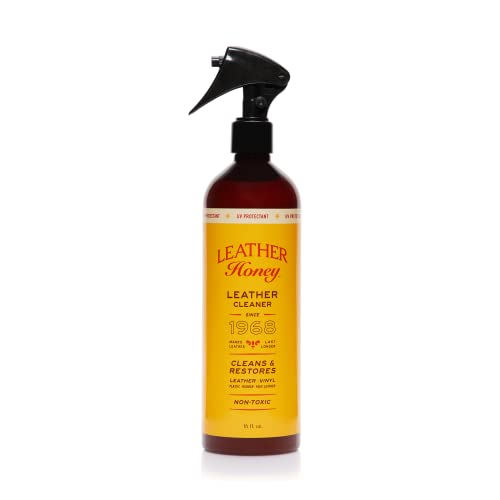
- Faux leather sofa cleaner spray 16oz
- Synthetic leather upholstery cleaner wipes
- Microfiber cloths for faux leather cleaning 12×12
- Faux leather conditioner spray
- Faux leather cleaning brush set


Before You Start
Read product labels and test any cleaner in a hidden area to check colorfastness and finish. Work in a well-ventilated room and use a soft, lint-free cloth to avoid scratching. For heavily soiled areas, plan cleaning in small sections to prevent dampness from seeping into seams. Avoid harsh solvents, bleach, ammonia, and abrasive brushes, which can damage faux leather finishes. Typical cleaning time ranges from 20 to 60 minutes, depending on the size of the piece and soil level.
Step-By-Step: How To Clean Faux Leather Furniture
- Remove loose debris with a vacuum or a soft brush to prevent scratching during wiping.
- Prepare a mild cleaning solution or use a dedicated faux leather cleaner spray according to the product directions.
- Spray cleaner lightly onto a microfiber cloth rather than directly onto the surface to control moisture.
- Wipe the surface in a gentle, circular motion, following the grain of the faux leather where possible.
- For stubborn stains (ink, oil, or food), apply a small amount of cleaner to a cloth and let it sit for a moment before blotting gently; avoid scrubbing.
- Use a fresh microfiber cloth dampened with clean water to remove any cleaner residue.
- Dry the surface with a dry microfiber cloth to prevent water spots and preserve the finish.
- Apply faux leather conditioner spray after cleaning to maintain suppleness and protective barrier; follow label instructions on application and drying times.
- Brush any textured or patterned areas with the faux leather cleaning brush set to lift dirt from seams.
- Inspect the entire piece for missed spots; repeat cleaning on areas that require attention.
- Allow furniture to air dry completely before use, avoiding direct heat sources during drying.
- Store cleaners and brushes in a designated area to keep maintenance supplies organized for future cleaning.
Troubleshooting
| Symptom | Likely Cause | Fix | Prevention |
|---|---|---|---|
| Sticky residue after cleaning | Over-wetting or leftover cleaner | Wipe with a damp cloth and dry thoroughly | Use minimal moisture and test in a small area first |
| Discoloration or fading | Incompatible cleaner or sun exposure | Stop using the product and switch to a labeled faux leather-safe cleaner | Keep furniture out of direct sunlight |
| Cracking after cleaning | Overly aggressive scrubbing or acidic cleaners | Consider conditioning and, if needed, professional refinishing | Avoid harsh chemicals; use gentle tools |
| Streaks on surface | Uneven application or residue | Buff with a clean microfiber cloth until clear | Apply product evenly in thin layers |
Common Mistakes
- Using regular household solvents that can dry or crack faux leather
- Applying cleaners directly onto the surface in heavy amounts
- Using abrasive brushes or scouring pads on delicate textures
- Neglecting to condition the surface after cleaning, leading to stiffness
- Ignoring test spots on non-visible areas before full cleaning
Tips For Best Results
- Test any product in an inconspicuous area to confirm colorfastness and finish compatibility.
- Clean small sections at a time to maintain consistent appearance across the entire piece.
- Use microfiber cloths to minimize lint and protect the surface.
- For textured faux leather, use a soft brush to lift dirt from seams and crevices.
- Condition regularly to maintain softness and extend the life of the material.
Call A Professional
Consult a professional if there are deep stains that persist after multiple cleaning attempts, if the surface shows extensive cracking or peeling, or if the furniture has significant mold or mildew growth. Seek professional refinishing or restoration services when cleaning alone cannot restore the appearance or structure of the faux leather.
FAQ
What is the best cleaner for faux leather?
A mild faux leather cleaner spray or synthetic leather upholstery cleaner wipes designed for synthetic finishes work well for routine cleaning.
Can I use water to clean faux leather?
Lightly dampen a microfiber cloth with water for spot cleaning and to remove residue after cleaners; avoid soaking the material.
How often should I condition faux leather?
Condition every 3–6 months or as recommended by product instructions to maintain suppleness and extend life.
Is it safe to wipe faux leather with alcohol or bleach?
No. Harsh solvents like alcohol or bleach can damage the surface and cause cracking; use products labeled safe for faux leather.
Can I use a steam cleaner on faux leather?
Steam is generally not recommended as it can introduce moisture and warp or damage seams; refer to product guidelines before attempting any heat-based cleaning.
Will cleaning affect color on light-colored sections?
Spot test first; some cleaners can affect dye in lighter fabrics. Use a product designed for faux leather and proceed cautiously.
Should I wipe in the direction of the grain?
Wipe following the grain when possible to minimize streaks and achieve a smoother finish.
Buying Guide
When choosing maintenance products for faux leather furniture, consider size and scope of use, typical soil levels, and the finish of the upholstery. A combined approach using a dedicated faux leather cleaner spray, wipes for quick touch-ups, a soft microfiber cloth set, and a conditioning spray often delivers the best long-term results.
Key buying factors include size and coverage area, noise level of any cleaning devices, and energy efficiency or minimal resource use for spray bottles. Look for clear usage instructions, safety warnings, and compatibility with synthetic finishes. The right kit should cover routine cleaning, stain treatment, and ongoing maintenance without requiring multiple products from different brands.
Placement matters too: store cleaners away from direct sunlight, heat sources, and reach of children or pets. Assess whether you prefer a spray system, premoistened wipes, or a combination kit to fit your cleaning style and schedule. If the upholstery has delicate embossing or a light color, a targeted kit with color-safe options is advisable.