Fabric bar stools add style and comfort to kitchens and entertainment spaces, but their fabric upholstery requires regular cleaning to maintain appearance and longevity. This guide provides practical, step-by-step methods using common cleaners and tools to refresh and protect fabric bar stools in American homes.
Quick Answer
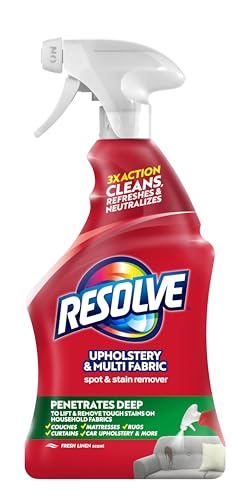
For quick, effective cleaning, start with a gentle vacuum to remove loose debris, treat stains with a dedicated fabric upholstery cleaner spray for bar stools, then use a microfiber cloth or a soft brush to blot and lift soils. For stubborn spots, a mini steam cleaner for upholstery fabric furniture can help, followed by a light fabric protector spray to reduce future staining.
What You’ll Need
- Fabric upholstery cleaner spray for bar stools
- Stain remover for fabric upholstery bar stools
- Mini steam cleaner for upholstery fabric furniture
- Bar stool cleaning kit with microfiber cloths and brushes
- Upholstery fabric cleaner brush set for chairs and stools


Before You Start
Before cleaning, check the care tag or manufacturer’s guidelines for your specific upholstery. Always test cleaners on a hidden area first to confirm colorfastness. Work in a well-ventilated area and protect surrounding surfaces from overspray. Plan for a cleaning session that allows time for drying, typically 1–3 hours depending on cloth and humidity. Never saturate fabric; excessive moisture can lead to staining or mold.
Step-By-Step: How To Clean Fabric Bar Stools
- Vacuum the fabric thoroughly using a nozzle attachment to remove loose dirt and crumbs.
- Blot spills immediately with a clean microfiber cloth to prevent set-in stains.
- Apply a light mist of fabric upholstery cleaner spray for bar stools to a small area, following product directions.
- Gently work the cleaner with a soft brush or microfiber cloth in a circular motion to lift soils.
- For stubborn stains, apply a stain remover for fabric upholstery bar stools directly to the spot and blot from the outside in to avoid spreading.
- If using a mini steam cleaner for upholstery fabric furniture, test on a hidden area, then steam lightly to lift residues while avoiding soaking the fabric.
- Wipe away any remaining cleaner with a clean, damp cloth and blot dry with a towel.
- Allow stools to air dry completely before use; open a window or use a fan to speed airflow.
- Finish with a light brush to restore nap and fabric texture.
- Optionally apply an upholstery fabric cleaner brush set for gentle ongoing maintenance and brushing after drying.
- Store cleaning tools in the bar area for quick touch-ups and future spills.
Troubleshooting
| Symptom | Likely Cause | Fix | Prevention |
|---|---|---|---|
| Stains reappearing after cleaning | Residual soil or shifting dye | Reapply stain remover and blot, then repeat with cleaner; consider a fabric protector | Address spills immediately; use protectors on high-traffic stools |
| Fabrics feel stiff after cleaning | Excess cleaner or hard-water minerals | Wipe with a clean damp cloth to remove residue; allow thorough drying | Test cleaners first; use minimal product per area |
| Water spots or uneven nap | Uneven moisture distribution | Blot evenly with a clean microfiber cloth and allow to dry flat | Maintain consistent application and drying conditions |
| Smell persists | Moisture trapped odor | Ventilate area; use a fabric-safe deodorizer after dry | Avoid oversaturation; ensure complete drying |
Common Mistakes
- Using hot water or heat sources on spills, which can set stains
- Over-wetting fabric, leading to longer drying times or mold
- Using household cleaners not labeled for upholstery, risking color bleed
- Skipping a spot test, which may damage fabric color or texture
Tips For Best Results
- Regular maintenance keeps stools cleaner longer; vacuum weekly and treat spots promptly
- Test any cleaner on a hidden corner before full application
- Use microfiber cloths for better absorption and lint-free results
- Rotate stool cleaning days to maintain consistent appearance across the set
- Protect high-traffic stools with a fabric protector spray after cleaning, if compatible with the fabric
Call A Professional
Consider calling a professional if staining is extensive, fabric shows dye transfer, or cleaning requires steam treatment beyond consumer devices. Stop and seek help if the upholstery has delicate fibers, brittle seams, or signs of mold or persistent odors. Professionals can perform deep cleaning and color restoration with specialized tools and fabricsafe solutions.
FAQ
Can I use any fabric cleaner on bar stools?
Choose cleaners labeled for upholstery and compatible with the stool’s fabric type; always test first.
Is steam cleaning safe for all upholstery fabrics?
Steam can be effective but may damage delicate fabrics or cause dye bleed; test first and follow manufacturer guidance.
How often should fabric bar stools be cleaned?
Light cleaning weekly with spot treatments as needed, with a deeper clean every 3–6 months depending on usage.
What if I don’t have a stain remover?
A mild fabric cleaner combined with blotting can help; avoid rubbing, which can spread stains.
Can I use a hair dryer to speed drying?
Low heat can help, but ensure fabrics won’t be damaged and avoid direct high heat; air drying is safer.
Buying Guide
When selecting products to maintain fabric bar stools, consider size, ease of use, and compatibility with upholstery materials. Look for cleaners labeled for fabric upholstery and stains specific to bar stools, along with brushes and microfiber cloths designed for delicate fabrics. A compact mini steam cleaner can be a valuable tool for deeper cleaning, but ensure it includes fabric-safe settings. A dedicated cleaning kit with multiple cloth types and soft-bristled brushes helps address both light refreshes and tougher spots. For ongoing protection, choose a fabric protector spray that is compatible with the stool fabric and is easy to reapply after cleaning.