Cloudy or hazy eyeglasses can obscure vision and cause eyestrain. This guide covers practical, safe methods to restore clarity using common tools and dedicated cleaning products. It emphasizes methods suitable for coated lenses and everyday wear.
Quick Answer
Gently rinse lenses with lukewarm water, apply a safe cleaning solution, and dry with a microfiber cloth. For stubborn haze, use an ultrasonic cleaner or a dedicated anti-fog spray. Always avoid harsh abrasives and contact with lens edges that could damage coatings.
What You’ll Need
Before starting, gather a simple toolkit designed to protect coatings while removing oils and film. The items listed below align with typical eyeglass care needs.
- Microfiber eyeglass cleaning cloth set
- Anti fog eyeglasses spray cleaning solution or lens cleaning solution safe for coated glasses
- Eyeglass cleaning kit microfiber cloth spray bottle
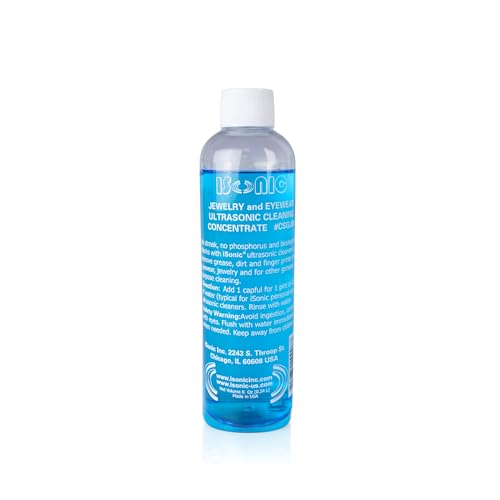
- Ultrasonic eyeglass cleaner machine (optional for deep cleaning)


Before You Start
Prepare a clean work area and ensure hands are free of lotion or oils. Rinse lenses under lukewarm water to loosen debris, especially if dust or oils cling to coatings. Avoid hot water, rough fabrics, and household cleaners that can degrade coatings. If you wear sunglasses or have specialized coatings, consult the manufacturer’s care instructions. Time estimate: 5–15 minutes for most sessions, 15–30 minutes for deep cleaning with an ultrasonic cleaner.
Step-By-Step: How To Clean Eye Glasses That Are Cloudy
- Rinse both sides of the lenses under lukewarm running water to remove loose dust.
- Apply a small drop of lens cleaning solution safe for coated glasses or anti fog eyeglasses spray cleaning solution onto each lens.
- Gently rub the lenses in a circular motion with a microfiber cloth from the microfiber eyeglass cleaning cloth set.
- Rinse again briefly to remove remaining cleaner and oils.
- Shake off excess water and blot dry with another clean microfiber cloth, avoiding paper tissues that can scratch coatings.
- If cloudiness persists, use the eyeglass cleaning kit microfiber cloth spray bottle to reapply a light mist and wipe with a fresh section of the cloth.
- For a deeper clean, operate the ultrasonic eyeglass cleaner machine according to the manufacturer’s instructions, ensuring the glasses fit properly and are fully submerged if required.
- Inspect both sides for streaks or remaining haze. Repeat steps 2–4 as needed, using a clean area of the cloth.
- Store glasses in a protective case when not in use to prevent smudges and contact with cleaning residues.
- Regular care intervals—daily quick cleans and weekly deeper cleans—help maintain clear vision and lens longevity.
Troubleshooting
| Symptom | Likely Cause | Fix | Prevention |
|---|---|---|---|
| Lenses stay cloudy after cleaning | Oil or residue remains on coatings | Re-clean with lens-safe solution and microfiber cloth | Rinse first, then dry with a separate cloth |
| Streaks appear after drying | Cloth not clean or over-wetted | Use a fresh microfiber square and lightly mist the lens | Wash cloths regularly; never reuse dirty sections |
| Coatings appear scratched | Abrasive material or rough cloth | Switch to a soft microfiber cloth and avoid abrasive pads | Never wipe with paper towels |
| Fogging returns quickly | Environmental humidity or surface oils | Apply an anti-fog spray and wipe evenly | Keep spray away from lenses when cleaning; store in a dry area |
Common Mistakes
- Wiping glasses dry with a rough cloth or tissue
- Using household cleaners that contain ammonia or alcohol
- Rubbing too hard, especially near the edges of coated lenses
- Using hot water or leaving items to air-dry without blotting
These missteps can degrade coatings or leave residues that reappear as cloudiness.
Tips For Best Results
- Always start with a rinse to remove loose particles that can scratch coatings.
- Use dedicated microfiber cloths and keep cleaning cloths separate from general towels.
- For frequent fogging, consider keeping an anti-fog spray in a small travel bottle for quick touch-ups.
- Store eyeglasses in a protective case when not wearing them to minimize contact with dust and oils.
- A light, regular cleaning routine is more effective than occasional intensive cleaning.
Call A Professional
Seek professional help if lenses show persistent cloudiness after multiple cleanings, if coatings appear peeling, or if the frames are damaged and affect lens alignment. Signs that require a pro include visible coating wear, warping, or persistent fogging despite proper care. If in doubt, contact an optician for an evaluation or to discuss lens replacement options.
FAQ
Can I use dish soap to clean glasses?
Yes, but use a very small amount and rinse thoroughly to avoid residue that can cause haze.
Is it safe to use water alone to clean coated lenses?
Rinsing with lukewarm water helps remove oils; consider a lens-safe cleaner for best results.
How often should I deep-clean my glasses?
Deep cleaning once a week is common for daily wear, with lighter cleans daily.
What if the haze comes from the coating itself?
Contact an optician if coatings appear damaged or degraded; coatings may need professional refinishing or replacement.
Buying Guide
When selecting products for clearing cloudy glasses, consider factors such as size, noise level if using an ultrasonic cleaner, energy efficiency, and control options. Compare cleaning solutions for compatibility with coated lenses, the effectiveness of microfiber cloths, and the reliability of spray bottles. For a comprehensive setup, many users opt for a bundled kit that includes a safe lens cleaning solution, microfiber cloths, and a compact ultrasonic cleaner. Check user reviews for real-world performance on different lens coatings and frame types.
Key buying factors include:
- Lens compatibility with coatings (antireflective, hydrophobic coatings)
- Cleaning efficacy against oil, fingerprints, and smudges
- Ease of use including spray application and cloth texture
- Size and portability for travel or home use
- Maintenance how long cleaning solutions last and cloth durability
Ready to upgrade your eyewear care routine? A thoughtful combination of a microfiber cloth set, safe lens solutions, and optional ultrasonic cleaning can dramatically reduce cloudiness and keep lenses clear longer. Consider your daily needs, environment, and any specific lens coatings to choose the right kit.