Engineered wood floors offer a durable, stylish alternative to solid hardwood, but they require careful cleaning to preserve their finish and extend their life. This guide explains practical methods using common tools and pH-neutral cleaners designed for engineered wood floors. Readers will learn quick routines, safety considerations, and troubleshooting tips to maintain a clean, beautiful floor without damage.
Quick Answer
Use a pH-neutral wood floor cleaner specifically formulated for engineered wood, applied with a microfiber mop or soft cloth. Avoid excess water, and never use harsh soap, wax products, or steam cleaners on engineered wood floors. Regular dusting or vacuuming followed by a light spray-and-mwipe with a microfiber pad keeps floors looking their best.
What You’ll Need
- engineered wood floor cleaner spray pH neutral
- laminate floor cleaning kit microfiber mop
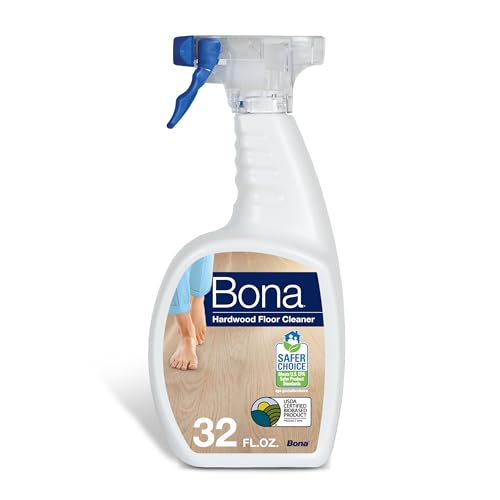
- pH neutral wood floor cleaner for engineered wood floors
- microfiber mop head replacement for engineered wood floors
- wood floor cleaning brush with non-scratch pads engineered wood


Before You Start
Prepare the room by removing loose debris with a vacuum or dry microfiber broom. Ensure the floor is swept or vacuumed prior to any cleaning to prevent scratches from grit. Use only cleaner products labeled for engineered wood or hardwood floors and avoid applying liquids directly to the floor in a spray-heavy manner. Never soak the floor or allow standing water, and test any new product in a small, inconspicuous area first to confirm compatibility with the finish.
Step-By-Step: How To Clean Engineered Wood Floors
- Dust or vacuum the floor to remove loose dirt and grit.
- Chip away stubborn debris with a dry microfiber mop or a wood floor cleaning brush with non-scratch pads.
- Lightly mist a pH-neutral wood floor cleaner for engineered wood floors onto a microfiber mop head or onto a small section of the floor.
- Wipe the floor in smooth, parallel strokes, moving with the grain to avoid streaks.
- For sticky spots, apply a touch more cleaner to the pad and gently rub the area until residue lifts.
- Rinse the mop pad as needed and avoid over-wetting; use a nearly dry mop to finish each section.
- Allow the floor to air-dry completely before walking on it, or use a dry microfiber pad to speed drying.
- Spot-clean using a dedicated pH neutral cleaner for any high-traffic zones or spills promptly.
- Refresh the finish periodically with a mild, approved cleaner to maintain luster without build-up.
- Inspect for dull areas or wear during periodic cleanings and adjust frequency as needed.
- Store cleaning supplies out of reach of children and pets, with lids tightly closed to prevent moisture exposure.
- Document your routine to maintain consistency and track product compatibility over time.
Troubleshooting
| Symptom | Likely Cause | Fix | Prevention |
|---|---|---|---|
| Water spots or streaks | Excess water during cleaning | Switch to nearly dry mop technique and use minimal cleaner | Never saturate the floor; use a damp, not wet, mop |
| Residue after cleaning | Incompatible cleaner or old residue | Wipe with a clean, damp microfiber pad and re-clean with a fresh pad | Stick to pH-neutral cleaners designed for engineered wood |
| Scratches or dull finish | Abrasive pad or improper brushing | Use non-scratch pads and gentle, grain-aligned strokes | Regularly check pad condition and replace worn heads |
| Peeling finish or swollen boards | Excess moisture or harsh chemicals | Dry thoroughly and discontinue use of the offending product | Seal joints and avoid steam cleaners |
Common Mistakes
- Using steam cleaners on engineered wood floors
- Over-wetting the floor during cleaning
- Applying waxes or polishes not approved for engineered wood
- Using rough brushes or dirty mop pads that scratch the surface
- Ignoring manufacturer guidelines for cleaning products and techniques
Tips For Best Results
- Dust daily with a microfiber dust mop to reduce the need for wet cleaning
- Choose a dedicated pH-neutral cleaner formulated for engineered wood floors
- Use a microfiber mop head replacement to maintain softness and absorbency
- Test any new cleaner in an inconspicuous area first
- Clean spills immediately to prevent moisture penetration
- Rotate cleaning tools to avoid cross-contamination between rooms
Call A Professional
If the floor shows significant swelling, warping, or persistent staining despite routine cleaning, contact a flooring professional. Seek expert help if there are large cracks, edges lifting, or finish damage that could compromise the floor’s structure or warranty. Signs that require professional assessment include extensive moisture damage, suspected subfloor issues, or suspected chemical incompatibility with the finish.
FAQ
Can I use water alone to clean engineered wood floors?
Water alone is not recommended; use a pH-neutral cleaner designed for engineered wood to avoid finish damage.
Are steam mops safe for engineered wood floors?
No. Steam can force moisture into seams and cause warping or finish damage.
How often should I clean engineered wood floors?
Dust daily and perform a light wet cleaning weekly or as needed based on foot traffic and spills.
What should I do about pet stains on engineered wood?
blot or gently wipe with a pH-neutral cleaner, then dry promptly to prevent moisture absorption.
Is a wax or polish necessary for engineered wood?
Most finishes do not require wax; follow manufacturer recommendations and avoid wax-based products.
Buying Guide
When choosing cleaning products and tools for engineered wood floors, consider size, noise, energy use, controls, and placement. For size, choose a mop head and bottle size that match room dimensions and cleaning frequency. Noise matters in open living spaces, so look for quiet cleaning tools and low-splash spray bottles. Energy efficiency is typically tied to powered cleaning devices; if using an electric device, pick energy-efficient models. Controls should be simple, with a fine spray option and easy head replacement. Placement considerations include fixture density, presence of pets or kids, and the likelihood of heavy foot traffic. Compare products that specify compatibility with engineered wood floors and feature non-scratch pads, low-moisture use, and pH-neutral formulas to protect finishes. Would you prefer a bundled laminate floor cleaning kit with a microfiber mop, or individual components like a dedicated pH-neutral cleaner and replacement mop heads? Opt for what aligns with your cleaning routine, storage space, and warranty requirements.