Embroidery fabrics require gentle handling to maintain stitch integrity and color. This guide provides practical, step-by-step methods to clean embroidery using common tools and beginner-friendly techniques suitable for home care across most embroidery projects.
By following careful pre-cleaning checks and using the right supplies, you can remove stains and refresh fabrics without risking fraying or color bleed. The methods below emphasize safe approaches for delicate fibers and decorative threads.
Quick Answer
For light stains, blot with a mild solution and air dry. For tougher spots, use a targeted stain remover pen or stick, then blot gently. Regular brushing and a gentle steam finish can restore texture without damaging embroidery.
What You’ll Need
- Embroidery fabric stain remover pen
- Stain remover stick for embroidered fabrics
- Soft bristle fabric brush for embroidery cleaning
- Lint roller for delicate embroidery fabrics
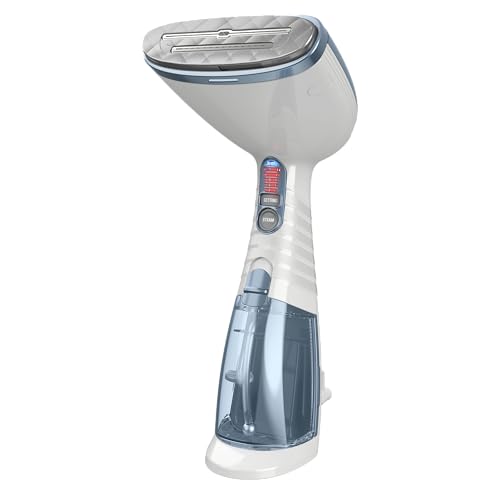
- Handheld garment steamer for embroidery care


Before You Start
Inspect the embroidery for loose threads, fraying edges, or embellishments that could be damaged by moisture. Conduct a patch test on a hidden area of the fabric with a small amount of cleaner or water. Work in a clean, well-lit space. Time estimate: 15–45 minutes depending on stain size and fabric type. Important cautions: avoid harsh chemicals, never scrub aggressively, and do not dry embroidery in direct heat or sunlight.
Step-By-Step: How To Clean Embroidery
- Identify the stain type and decide on a cleaning method (water-based vs solvent-based) based on fabric and thread.
- Gently blot any liquid spills with a clean cloth to remove surface moisture without spreading the stain.
- Apply a small amount of embroidery fabric stain remover pen to the center of the stain. Let it sit for 1–3 minutes per product directions.
- Lightly dab the stained area with a damp cloth, then use a soft bristle fabric brush for embroidery cleaning to lift the stain from the surface in gentle, circular motions.
- For delicate fibers, run a lint roller for delicate embroidery fabrics along the fabric edge to remove lint without pulling threads.
- If the stain persists, reapply the stain remover pen or use a stain remover stick for embroidered fabrics following product instructions, then rinse with cool water from the back of the fabric to push the stain out.
- Use a handheld garment steamer for embroidery care to freshen the fabric and help release any remaining moisture from the stitching. Hold the steamer a few inches away and avoid direct contact with decorative threads.
- Rinse the fabric gently with cool water, ensuring all cleaner residues are removed. Blot dry with a clean towel and lay flat to air dry away from heat.
- Once dry, check for any remaining marks. If needed, repeat targeted spot treatment on the affected area only.
- Finish by lightly brushing the embroidery with the soft brush to restore texture and remove any flattened fibers.
- Inspect stitches and edges after drying to ensure no threads were loosened during cleaning.
- If a stain is colorfast only on certain threads or fabric, consider seeking professional cleaning guidance to avoid damage.
Troubleshooting
| Symptom | Likely Cause | Fix | Prevention |
|---|---|---|---|
| Stain reappears after drying | Stain absorbed into fibers | Reapply stain remover and gently re-dab, then rinse thoroughly | Treat stains promptly; test cleaners first |
| Color bleeding or fading | Excess moisture or strong cleaner | Rinse with cool water, blot dry, and air dry away from sunlight | Use mild cleaners and cold water only |
| Thread fraying after cleaning | Rubbing or harsh brushing | Switch to lighter brushing and avoid scrubbing near stitches | Spot-clean slowly; use soft materials |
| Stiff fabric after washing | Residual cleaner or mineral buildup | Rinse thoroughly and air dry; brush gently | Rinse twice with clean water |
Common Mistakes
- Using hot water on delicate embroidery fibers, which can set stains or warp fabric
- Scrubbing aggressively, which can snag threads or loosen embroidery
- Applying cleaners directly to decorative beads or sequins that may loosen over time
- Skipping a patch test; failures can occur on colorfastness and fiber integrity
Tips For Best Results
- Always test stain removers on a hidden area first to confirm colorfastness.
- Work from the outside edge of the stain toward the center to prevent spreading.
- Use cool or lukewarm water; hot water can set some stains and damage fibers.
- Keep embroidery flat while cleaning to maintain stitch alignment and avoid distortion.
- Store clean embroidery flat or folded with tissue to prevent creasing during drying.
Call A Professional
Seek professional cleaning services if the embroidery is highly valuable, heavily soiled, or contains intricate beads or metallic threads. Stop cleaning and consult a professional if you notice dye transfer, bead loosening, or fabric weakness around the embroidery area.
FAQ
Can I use regular laundry detergent on embroidery?
Regular detergents may be too strong for delicate embroidery; opt for a mild detergent and test first.
Is steam safe for all embroidery?
Steam is generally safe for many embroideries to refresh fabric, but avoid direct heat on beads, sequins, or metallic threads.
Should I wash embroidered items by hand or machine?
Hand washing is safer for delicate embroidery; if machine washing, use a gentle cycle and a protective garment bag.
How do I remove oil stains from embroidery?
Blot with a bit of talc or cornstarch first, then apply a stain remover pen or stick designed for fabrics, and wash gently.
Is it okay to iron over embroidery?
Iron on a low heat setting with a pressing cloth; avoid direct contact with stitched areas.
How long does embroidery take to dry after cleaning?
Air-drying times vary by fabric thickness; allow several hours in a well-ventilated area.
Buying Guide
Choosing the right cleaning approach for embroidery depends on fabric type, thread, and embellishments. Consider the following factors to optimize care and longevity:
- Size and fabric type: Larger embroidery areas on cotton or linen may tolerate gentle cleaning better than fine silk or satin blends.
- Stain severity: Light stains respond to spot treatment, while heavy stains may require multiple gentle passes with targeted products.
- Noise level and energy efficiency: If using a steamer, look for models with adjustable heat settings and energy-efficient operation while ensuring safe use on fabrics.
- Controls and ease of use: Simple, precise control helps avoid accidental damage—select devices with clear temperature or steam settings.
- Placement and storage: Clean items on a flat surface and store flat to prevent creases; use a protective bag for delicate embroidery when transporting.
When evaluating products, prioritize those designed for fabrics with decorative stitching. For best results, combine a stain remover pen or stick with a soft brush and light steam, supporting fabric integrity and color retention. Would you like guidance on selecting a specific type of embroidery fabric cleaner based on your project?