Electric solid-plate hobs offer reliable heating but can accumulate burned-on food and grease over time. This guide provides a practical, step-by-step approach to restoring shine and efficiency to solid-plate surfaces, using common household cleaners and the recommended tools listed below. Clear, non-abrasive methods keep the surface intact while removing stubborn stains.
Note: Always power off and unplug the appliance before cleaning. Allow the hob to cool completely before you begin. Use gentle, non-scratch tools to protect the glass-ceramic surface around the plates.
Quick Answer
Before cleaning, unplug the hob and remove any loose debris. Wipe with a damp microfiber cloth, apply a light stove-top degreaser gel to tough spots, scrub with a non-abrasive sponge, and finish with a microfiber dry wipe. For stubborn grime, use a glass-ceramic stovetop scraper with a plastic blade to lift residue without scratching.
What You’ll Need
- Stovetop cleaner non-abrasive sponge for electric hob
- Microfiber cloth for stove top cleaning electric hob
- Stovetop degreaser gel for electric hob cleaner
- Ceramic electric hob scraper blade guard
- Stovetop scraper with plastic blade for glass ceramic hob

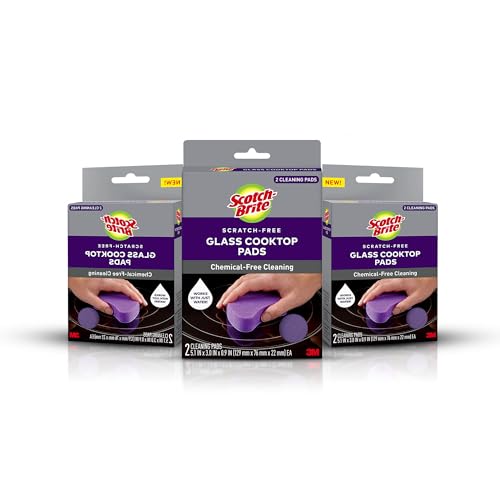

Before You Start
Preparation steps help prevent damage and speed up cleaning. Remove any pans and coils, if possible, and lay a soft mat to protect the surrounding countertop. Test cleaners in a small, inconspicuous area first to ensure no discoloration occurs. For safety, wear gloves if you have sensitive skin and ventilate the room if using chemical cleaners. Estimate 15–30 minutes for light cleaning, up to 1 hour for heavy build-up.
Cautions: Do not use abrasive pads or metal tools on the solid plates, as these can scratch the surface. Avoid bleach-based products on glass ceramics, which can cause streaks or damage. If the unit is under warranty, consult the manual before using aftermarket cleaners.
Step-By-Step: How To Clean Electric Hob Solid Plates
- Power off and unplug the hob. Ensure all controls are in the off position and the surface is cool.
- Gently remove loose debris with a dry microfiber cloth to prevent scratching during cleaning.
- Apply a small amount of stove-top degreaser gel for electric hob cleaner to a damp sponge and spread it over the affected areas, avoiding the control panel.
- Let the gel sit for 30–60 seconds on stubborn spots to loosen grease and burnt-on residue.
- Use a non-abrasive sponge for electric hob to scrub the surface in circular motions, focusing on rings and drips near the plates.
- If residue remains, use a ceramic electric hob scraper blade guard or a plastic blade scraper to carefully lift it away without scratching the glass-ceramic surface.
- Wipe away loosened grime with a damp microfiber cloth, then dry with a clean, lint-free cloth to prevent water spots.
- For persistent streaks, apply a thin layer of cleaner and buff with a dry microfiber cloth until the surface shines.
- Return cookware to the hob and test a low heat setting to ensure no cleaner residue remains.
- After cleaning, wipe the control knobs and surrounding edges with a damp cloth to remove any cleaner traces.
- Store cleaning tools in a dry place to keep the sponge and cloth ready for the next maintenance session.
- Schedule periodic cleaning to prevent heavy build-up, especially after cooking oily or sugary foods.
Troubleshooting
| Symptom | Likely Cause | Fix | Prevention |
|---|---|---|---|
| Streaks or cloudiness after cleaning | Residue left from cleaner or mineral deposits | Wipe with a damp microfiber cloth, then dry completely; re-buff with a dry cloth | Rinse with plain water and dry after each cleaning |
| Rings or burnt-on spots persist | Heavy build-up | Apply degreaser gel, let sit longer, scrub with non-abrasive sponge | Clean soon after spills; avoid letting sugar-containing sauces set |
| Scratches or dull patches | Use of abrasive tools | Switch to plastic blade scraper and non-abrasive cleaners | Use proper tools only; test cleaners in a small area |
| Cleaning residue near control panel | Cleaner contact with controls | Wipe away immediately with a damp cloth and dry | Keep cleaners away from the control area |
Common Mistakes
- Using abrasive sponges or metal scrapers that damage the surface
- Letting sugar or syrup cool and harden on the plate
- Using bleach or ammonia-based products on glass-ceramic surfaces
- Failing to unplug the hob before cleaning, risking electric shock
Tips For Best Results
- Clean after each use to prevent tough build-up from forming
- Wipe spills promptly with a damp cloth, then dry to avoid rings
- Use a dedicated stovetop cleaner on glass-ceramic surfaces for best shine
- Keep a small brush or soft sponge on hand for hard-to-reach areas
- Inspect the glass-ceramic surface for scratches and treat gently
Call A Professional
Consider a professional if the hob shows signs of electrical damage, persistent cracking in the surface, or if heavy corrosion and heat damage appear around the plates. Stop using the appliance and contact service if you notice sizzling, burning smells not caused by cooking, or the unit fails to power on after cleaning.
FAQ
Can I use household bleach to clean an electric hob solid plate?
No. Bleach can damage glass-ceramic surfaces and leave residues that affect heating.
Is it safe to use a scraper on solid-plate hobs?
Use a plastic blade scraper designed for glass-ceramic hobs to avoid scratches.
How often should I clean the hob?
Wipe spills as soon as possible and perform a deeper clean weekly or after heavy cooking.
What should I do if the hob stops heating after cleaning?
Unplug, inspect for moisture around controls, and allow the surface to dry completely before retrying. If problems persist, consult a professional.
Buying Guide
When selecting cleaning tools and accessories for electric solid-plate hobs, consider factors like surface compatibility, material safety, and ease of use. Look for non-abrasive sponges and soft microfiber cloths designed for glass-ceramic surfaces to avoid scratching. A dedicated stovetop degreaser gel helps break down burnt-on residues without harsh chemicals. Tool compatibility with ceramic and glass surfaces is essential, so choose plastic-blade scrapers or guards that won’t damage coatings. For best results, pair a mild cleaner with a soft cloth and a scraper with a guard to protect the plate edges.
Size and layout of the hob influence the choice of tools. For larger hobs, a longer-handled scraper can reach between plates, while compact setups benefit from a small blade scraper. Noise level is generally not a factor with these cleaners, but ease of storage matters, so select compact, dryable cloths and a spill-proof cleaner bottle. Consider whether you prefer a gel, spray, or paste format based on your cleaning routine and the type of grime you typically encounter.
Placement matters for storage efficiency and safety. Keep cleaners away from the edge of the counter to prevent accidental tipping. Store tools in a dedicated cleaning caddy near the kitchen prep area for quick access. Finally, check product compatibility with your specific hob model and reference the user manual for any cleaning restrictions.