Egg splashes on exterior siding can be stubborn and unsightly, especially when left to bake in sun exposure. This guide explains practical methods to remove dried egg from various outdoor surfaces without damaging paint, vinyl, brick, or fiber cement. The goal is to restore curb appeal while using safe, effective cleaners and tools available to American homeowners.
Quick Answer
Act quickly for best results—soften the egg with cool water, then use a gentle cleaner and appropriate tools. For tough spots, a surface degreaser spray or an exterior egg residue remover spray can help without harsh scrubbing. For broad cleaning, a pressure washer nozzle designed for exterior cleaning works well when used with care.
What You’ll Need
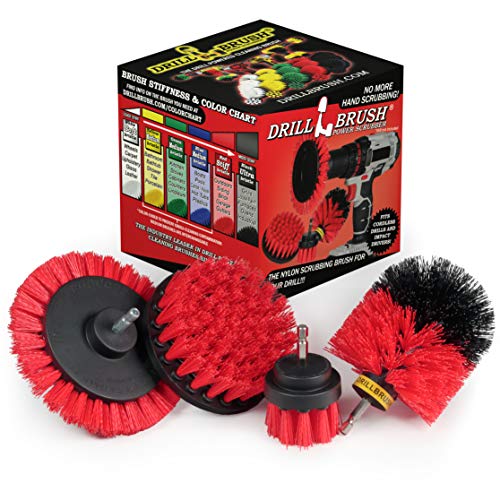
- Stiff bristle scrub brush exterior siding cleaning tool for stubborn spots
- Exterior egg residue remover spray to loosen dried eggs
- Surface degreaser spray for outdoor walls to cut residual oils
- Pressure washer nozzle exterior cleaning egg cleanup attachment or accessory
- Eco friendly enzyme cleaner exterior surfaces for gentle, biodegradable cleaning


Before You Start
Assess the siding material before choosing cleaners. Vinyl, wood, brick, and fiber cement each react differently to cleaners and water pressure. Wear protective eyewear and gloves, and test a small inconspicuous area first. Avoid high-pressure jets on loose paint or damaged surfaces, which can worsen the problem. Plan for a 20–60 minute cleaning session depending on the size of the affected area. Never mix cleaners with bleach or ammonia, and keep pets and children away during cleaning.
Step-By-Step: How To Remove Egg from Exterior Surfaces
- Rinse the area with cool water to soften the dried egg and remove loose debris.
- Apply the exterior egg residue remover spray to saturate the affected area; let it sit for 3–5 minutes.
- Gently scrub with the stiff bristle scrub brush exterior siding cleaning to lift the remaining residue.
- For greasy spots, spray a surface degreaser spray for outdoor walls and agitate with a brush in small sections.
- If using a pressure washer, attach the pressure washer nozzle exterior cleaning egg cleanup setting and maintain a safe distance from the surface, using broad strokes.
- Rinse thoroughly with water, ensuring all cleaner and egg particles are washed away.
- For stubborn patches, repeat the spray and scrub cycle, using the eco friendly enzyme cleaner exterior surfaces if needed for persistent residue.
- Allow the area to dry naturally and inspect for any remaining marks. Repeat steps as necessary on limited areas.
- Protect nearby plants by covering them and avoid overspray onto windows or doors during treatment.
- Document any sensitive areas and plan a maintenance interval to prevent future buildup.
- Clean tools immediately after use and store them securely for next time.
- If staining persists after repeated attempts, consider professional evaluation to prevent damage.
Troubleshooting
| Symptom | Likely Cause | Fix | Prevention |
|---|---|---|---|
| Egg remains after washing | Surface coating resistant to cleaners | Reapply egg remover spray and extend dwell time | Pre-wet area and wash promptly after exposure |
| Discoloration or fading | Harsh cleaner or high pressure on sensitive paint | Switch to gentler cleaner and lower pressure | Test spot first, use recommended nozzle |
| Residue streaks | Uneven rinse or cleaner drying too fast | Rinse with a wide, even pattern; rewash streaked areas | Work in shade if possible to control evaporation |
| Surface damage after cleaning | Aggressive scrubbing or improper cleaner | Stop immediately; switch to enzyme cleaner and softer brush | Read product labels; avoid metal brushes |
Common Mistakes
- Using hot water or boiling water directly on siding—can warp or damage finishes.
- Scrubbing aggressively with metal brushes which may scratch surfaces.
- Relying on bleach-based cleaners that can discolor or degrade some materials.
- Neglecting test areas, leading to unexpected staining or damage.
Instead, choose appropriate cleaners and tools, follow dwell times, and rinse thoroughly to prevent new stains.
Tips For Best Results
- Work from the top down to prevent dirty water from running onto cleaned areas.
- Use enzyme-based cleaners for sensitive siding materials to minimize harsh chemical exposure.
- Pre-wet plants and grass around the cleaning zone to minimize chemical runoff.
- Keep a spray bottle handy to mist areas that seem stubborn before brushing.
- After cleaning, consider applying a protective coating or sealant recommended for your siding type to reduce future staining.
Call A Professional
Seek professional help if the staining covers a large area, the siding is damaged, or if the manufacturer warns against DIY cleaning. Stop cleaning and consult a pro if you notice peeling paint, warped panels, or persistent discoloration after multiple attempts. For delicate surfaces or high exterior walls, a licensed technician can clean safely without compromising the substrate.
FAQ
Is egg residue harmful to siding materials?
Egg residue is mainly an organic stain; it can attract more grime and cause odors if not cleaned. It is not typically corrosive, but improper cleaners can damage finishes, so use gentle options first.
Can I use bleach on egg stains?
Avoid bleach on most exterior surfaces as it can discolor and degrade materials. Use enzyme cleaners or a dedicated exterior egg remover first.
How long should I let cleaners sit before scrubbing?
Most products require a 3–5 minute dwell time to loosen proteins and fats from the surface.
What if the stain returns after rain?
Reapply cleaners after dry periods and consider a preventive sealant or routine maintenance wash to minimize buildup.
Are eco-friendly cleaners effective for tough stains?
Yes, enzyme-based cleaners are effective for organic stains and are safer for plants and pets when used as directed.
Should I use a pressure washer on brick or vinyl?
Yes, but with a wide-angle nozzle and low pressure to avoid damage; test a small area first.
What maintenance should follow cleaning?
Inspect for damaged areas, reseal or paint as needed, and schedule regular exterior cleaning to prevent future eggs from sticking.
Buying Guide
When choosing tools and cleaners to remove egg from house siding, consider several factors that influence effectiveness and safety:
- Size and scope: Small affected areas may be cleaned with a spray, brush, and rinse, while larger houses might benefit from a pressure washer with safe-nozzle settings.
- Surface material: Vinyl, wood, brick, and fiber cement respond differently to cleaners and water pressure; follow manufacturer recommendations.
- Noise level: Electric pressure washers and enzymatic cleaners vary in noise—plan cleaning during reasonable hours if neighbors are nearby.
- Energy and chemical efficiency: Eco-friendly enzymatic cleaners minimize environmental impact and are safer for landscaping; consider refillable spray options to reduce waste.
- Controls and compatibility: Look for straightforward spray-and-rinse systems; ensure cleaners are compatible with your siding type and plants nearby.
- Placement and access: Access to high or tight areas may require ladders, extension brushes, or professional equipment; assess safety needs before starting.
For best results, pair a targeted cleaner (eggs and organic residues) with a suitable toolset, test on a small area, and rinse thoroughly. If unsure about your siding type or the proper pressure, consult product labels or a local professional for guidance.