Dust on walls is common in every home and can build up from daily activity, heating, and air circulation. Regular wall cleaning helps maintain indoor air quality and keeps rooms looking bright. This guide explains safe, effective methods for different wall finishes and provides practical, step-by-step instructions.
Quick Answer
Best overall method: use a microfiber cloth or extendable wand for light dust, followed by a gentle wipe with a damp cloth for stubborn spots. For high ceilings or hard-to-reach areas, a vacuum with a dusting brush helps remove dust without spreading it. Avoid harsh cleaners on delicate wallpapers or painted surfaces.
What You’ll Need
- Extendable microfiber dusting wand for walls
- Microfiber dusting cloth for walls
- Vacuum with dusting brush for wall dust
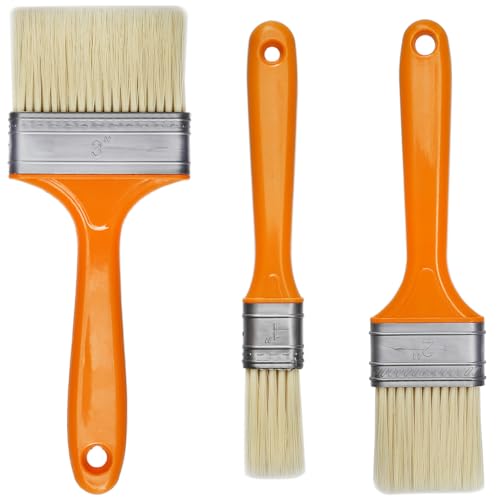
- Soft bristle wall cleaning brush for dust removal
- Slim dust mop for wall dusting


Before You Start
Prepare the room by moving furniture or placing drop cloths to protect floors. Test cleaning on a small, inconspicuous area to ensure no damage or color transfer. Use a light, controlled touch to avoid embedding dust into textures or peeling paint. For sensitive finishes, consult manufacturer care labels or a professional.
Safety notes: unplug electrical devices near walls when testing cleaners, and avoid excessive moisture on drywall or plaster. If walls are newly painted, wait the recommended cure time before cleaning to prevent finish damage.
Step-By-Step: How To Clean Dust Off Walls
- Start with a dry dusting using a extendable microfiber dusting wand for walls or a microfiber dusting cloth for walls to trap dust and prevent it from falling onto floors.
- Dust from top to bottom in a vertical or zigzag motion to minimize redistribution. Use light, even strokes to avoid scratching kid-safe paint or wallpaper.
- For stubborn dust or cobwebs, switch to a soft bristle wall cleaning brush for dust removal and work gently along seams and trim.
- If walls are very dusty or have soot or cooking residue, mix a small amount of mild, non-abrasive cleaner with water and dampen the cloth just enough to avoid soaking the wall.
- Wipe panels or sections in a consistent direction, then dry with a clean microfiber cloth to prevent watermarks on painted or glossy surfaces.
- For high ceilings or vaulted areas, use a slim dust mop for wall dusting attached to a bendable handle to reach corners without climbing.
- For textured walls, use the soft brush to lift dust from crevices, then follow with a microfiber cloth to collect loosened particles.
- Empty and rinse cleaning cloths if they become heavily soiled to avoid transferring dirt back onto walls.
- Inspect walls after cleaning and repeat any missed spots with minimal moisture for best results.
- Once walls are clean, replace furniture and return items to their places carefully to prevent re-dusting from adjacent surfaces.
- Empty the vacuum canister or container and store tools in a dry place to prevent mold growth and odor.
- For wallpaper or delicate surfaces, consider spot-testing a cleaner on a hidden area and reduce moisture to prevent peeling or staining.
Troubleshooting
| Symptom | Likely Cause | Fix | Prevention |
|---|---|---|---|
| Dust reappears quickly | Airborne dust settles on walls | Increase dusting frequency; use HEPA-filtered vacuum | Improve ventilation, change HVAC filters regularly |
| Water stains after damp cleaning | Wall surface absorbed too much moisture | Use minimal moisture and test in a hidden area | Never soak walls; wring cloth well |
| Paint smeared or streaks | Excessive moisture or rough cloth | Switch to a dry microfiber cloth or slightly dampen only | Use light pressure and clean, smooth motions |
| Texture damaged on wallpaper | Harsh scrubbing | Switch to soft brush and gentle strokes | Follow manufacturer care instructions |
Common Mistakes
- Using harsh chemical cleaners on painted or wallpapered walls
- Over-wetting walls, which can lead to warping or staining
- Neglecting corners and trims where dust accumulates
- Skipping a test patch on delicate finishes
Tips For Best Results
- Dust regularly to prevent buildup that requires damp cleaning
- Choose a microfiber cloth over cotton for better dust pickup
- Work in a room from top to bottom to minimize re-dusting
- Rotate tools between tasks to prevent cross-contamination of dust
- Keep tools clean and dry between uses to maximize effectiveness
Call A Professional
Consider a pro if walls have extensive staining, water damage, or peeling paint. Stop cleaning if you notice bubbling paint, exposed plaster, or mold growth, and contact a licensed contractor. Professional help is advised for large-scale cleaning in rental units or historic homes where finishes require special care.
FAQ
What is the safest way to clean painted walls?
Use a dry microfiber cloth to remove dust, then a barely damp cloth with a mild cleaner on a small area to test colorfastness before cleaning the entire wall.
How often should walls be cleaned?
Light dusting every 1–2 weeks and a damp wipe every few months, more often in high-dust rooms like near entryways or kitchens.
Can I use a vacuum on walls?
Yes, with a dusting brush attachment or a narrow wand; avoid aggressive suction on delicate finishes and wallpaper.
What should I do about stubborn marks?
Gently rub with a soft brush or damp microfiber cloth; for ink or oil stains, use a small amount of mild cleaner tested on a hidden area.
Is it safe to clean wallpaper?
Most wallpapers tolerate gentle dusting; for damp cleaning, follow the manufacturer’s cleaning guidelines to prevent damage.
Buying Guide
When choosing wall-cleaning tools, consider size, ease of use, and surface compatibility. It helps to compare options across several factors to find the best fit for a home environment.
Size and reach: An extendable wand or slim mop helps reach high walls and ceilings without ladders. Noise and weight matter for frequent use, especially in bedrooms and offices.
Materials and surface compatibility: Microfiber fabrics trap dust effectively and are gentle on most paints and wallpapers. Soft bristle brushes protect delicate textures.
Energy efficiency and maintenance: Reusable microfiber cloths save money and reduce waste. Vacuum attachments with dusting brushes should be easy to detach and clean.
Controls and ergonomics: Look for ergonomic handles and simple switching between brush and wand. A balanced tool reduces fatigue during extended cleaning sessions.
Placement and storage: Store tools in a dry, accessible area. A compact extendable wand saves closet space and keeps walls scratch-free during cleaning.