Durapella is a durable synthetic fabric used in many sofas, chairs, and car interiors. Proper cleaning helps maintain its look and extends its life. This guide provides practical steps, tools, and best practices for American households seeking safe, effective cleaning without damage.
The methods below focus on stain removal, general freshening, and fabric care that work well with common Durapella constructions. Readers should adapt steps to the specific shade, dye fastness, and patch size of their furniture.
Quick Answer
For routine cleaning, vacuum or brush away loose debris, treat stains with a color-safe stain remover, and lightly damp-wipe using a soft microfiber cloth. For deeper refreshment, use a steam cleaner or an upholstery cleaner spray designed for performance fabrics, then blot and air-dry completely.
What You’ll Need
- Upholstery cleaner spray for performance fabrics
- Microfiber upholstery cleaning cloths for fabrics
- Soft bristle upholstery brush for fabric cleaning
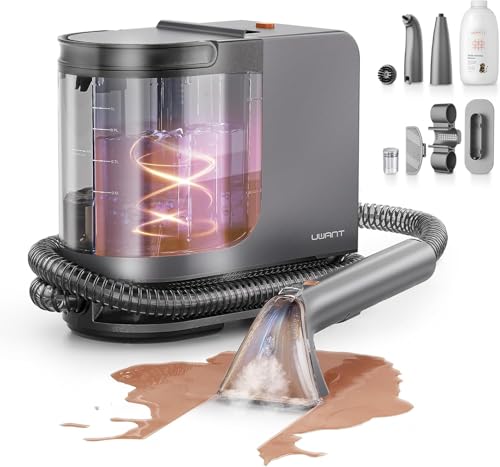
- Steam cleaner for upholstery fabric cleaning
- Color-safe fabric stain remover for synthetic upholstery


Before You Start
Survey the fabric for colorfastness in an inconspicuous area, and test each product on a hidden spot. Avoid soaking Durapella; excessive moisture can lead to swelling or mildew. Time estimates vary: light cleaning takes 15–30 minutes, deep cleaning may take 45–90 minutes including drying time. Work on a cool, dry day with good airflow to speed drying.
Step-By-Step: How To Clean Durapella Upholstery
- Vacuum the furniture thoroughly to remove loose dust and debris, using a brush attachment.
- Identify areas with stains and apply a color-safe fabric stain remover following the product label directions.
- Gently blot stains with a microfiber cloth; avoid rubbing which can push color into fibers.
- If needed, mist the area lightly with an upholstery cleaner spray designed for performance fabrics and let it sit briefly.
- Use a soft bristle upholstery brush to lift fiber soil without abrading the surface, working in small circular motions.
- For deeper cleaning, run a low-heat steam cleaner over the fabric, keeping the nozzle at a safe distance to avoid over-wetting.
- Blot away moisture with clean, dry microfiber cloths; press rather than rub to lift moisture from the fibers.
- Allow the fabric to air-dry completely before using the furniture again; speed drying with a fan or open windows if possible.
- Resume gentle vacuuming after drying to re-fluff fibers and remove any remaining residue.
- Re-check any previously treated stains; repeat treatment if necessary, using a minimal amount of cleaner to prevent residue buildup.
- Perform routine maintenance every few months to prevent soil buildup and maintain appearance.
Troubleshooting
| Symptom | Likely Cause | Fix | Prevention |
|---|---|---|---|
| Stain reappears after cleaning | Underdried fabric or residual residue | Re-clean with minimal moisture and extend drying time | Test spot, dry thoroughly, and avoid over-wetting |
| Fabrics feel stiff after cleaning | Product residue or over-wetting | Blot with clean cloths and air-dry completely | Use less cleaner, shorter dwell times |
| Discoloration after cleaning | Colorfastness issue, incompatible product | Stop, rinse, and test with a milder product | Always test on hidden area first |
| Persistent odor | Moisture retention or mildew | Increase ventilation, extend drying time | Dry thoroughly before use; consider fabric-safe deodorizer |
Common Mistakes
- Too much moisture soaking into Durapella during cleaning
- Rubbing stains aggressively, which spreads pigment
- Using household cleaners not formulated for synthetic upholstery
- Skipping a test patch before applying cleaners
- Neglecting complete drying, leading to mildew or odor
Tips For Best Results
- Always start with dry cleaning methods before moisture-based options.
- Keep cleaners in a spray bottle for controlled application and minimal overspray.
- Maintain regular vacuuming to reduce soil buildup and prolong fabric life.
- Use a light brush lift after drying to restore fabric texture.
- If you have pets or children, consider repeating light cleanings quarterly to manage soils and odors.
Call A Professional
Consider a professional upholstery cleaning if the Durapella shows deep-set stains, persistent odors, or if the furniture is heavily soiled. Stop and call a pro if you notice color fading after cleaning, peeling, or fabric distress. Seek expert help for antique or high-value pieces where improper cleaning could lower value.
FAQ
Can I use a household steam cleaner on Durapella?
Steam cleaners can be effective when used with caution and on low moisture settings. Always follow the manufacturer’s guidelines and test a hidden area first.
Should I always blot, not rub, stains on Durapella?
Yes. Blotting helps lift stains without driving them deeper into fibers.
Is it safe to use a color-safe stain remover on synthetic upholstery?
Generally safe when used as directed and tested first. Follow product instructions and avoid saturating the fabric.
How long does it take for Durapella to dry after cleaning?
Drying time varies with room temperature and airflow, typically 1–6 hours. Increase ventilation to speed up drying.
Can I clean Durapella with water alone?
Water alone can help with light cleaning, but stain removers and specialty cleaners improve results on tougher spots.
What maintenance helps prevent staining?
Regular vacuuming and prompt treatment of spills minimize staining and keep Durapella looking new longer.
Buying Guide
When choosing cleaning products for Durapella, consider size, effectiveness, and fabric compatibility. Factors to weigh include:
- Size and coverage: Choose sprays and wipes that suit the furniture size and the expected frequency of use.
- Noise level and ease of use: For steam cleaners and spray bottles, select models with straightforward operation and adjustable settings.
- Energy efficiency and water usage: Steam cleaners with efficient heat usage reduce drying time and energy consumption.
- Controls: Look for simple, clearly labeled controls to minimize mistakes during cleaning.
- Placement flexibility: A compact cleaner or spray system is easier to maneuver around couches and chairs.
For Durapella, prioritize cleaners formulated for synthetic or performance fabrics, and opt for color-safe options to protect dye integrity. If replacing or upgrading tools, consider a dedicated upholstery brush, microfibre cloths, and a steam cleaner with low moisture output to maintain fabric integrity. Would you like recommendations tailored to your specific furniture size and cleaning frequency?