Dealing with dried canine waste on wood floors requires a mix of quick action and careful cleaning to protect the finish. This guide provides a practical, step-by-step approach using common tools and enzymes designed for wood floors. By following these steps, homeowners can restore cleanliness without damaging the wood or sealant.
Quick Answer
Remove the solid material with a floor scraper, dampen the area, apply a wood-safe enzymatic cleaner, then scrub with a soft-bristle brush and rinse with a microfiber mop head. Finish with a pet-safe enzymatic cleaner spray and allow to air dry.
What You’ll Need
- floor scraper with replaceable blades wood floor cleaning tool
- enzyme-based pet stain remover for wood floors
- microfiber mop head for wood floors pet messes
- soft-bristle floor scrub brush wood floors
- wood floor safe enzymatic cleaner spray
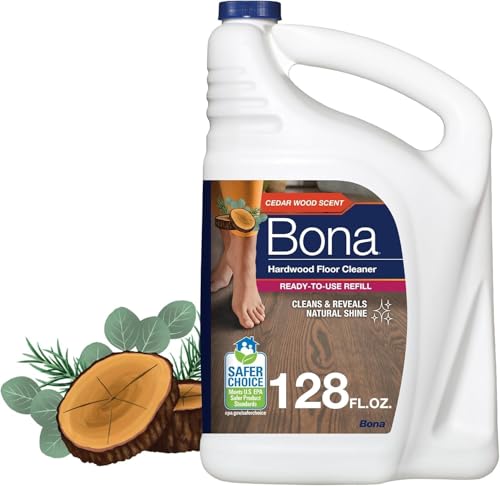


Before You Start
Clear the area and remove loose debris. Test any cleaner on a hidden spot first to ensure no color change or dulling of the finish. Ventilate the room and wear disposable gloves to minimize skin contact with cleaners. For timing, plan 15–30 minutes for the initial cleanup, plus 10–20 minutes for drying. Important cautions include avoiding excess water, which can seep into seams and cause wood swelling, and never using abrasive cleaners or strong solvents that can scratch or strip the finish.
Step-By-Step: How To Clean Dried Dog Poop From Wood Floors
- Put on gloves and use a floor scraper with replaceable blades to lift as much solid waste as possible without pushing it into gaps.
- Wipe the area with a dry, absorbent cloth to remove loose particulates before introducing moisture.
- Lightly dampen a microfiber mop head and wipe away remaining residue, taking care not to saturate the wood.
- Apply a wood floor safe enzymatic cleaner spray directly to the affected area, following the product instructions for dwell time.
- Allow the cleaner to sit for the recommended time to break down organic material and neutralize odors.
- Use a soft-bristle floor scrub brush to agitate the stain along the grain of the wood, then re-wipe with a clean microfiber mop head.
- Rinse the area with a small amount of water or a damp cloth, and dry immediately with a clean towel to prevent moisture from penetrating seams.
- For tough spots, repeat the enzymatic cleaner application and brushing, then finish with a light spray of enzymatic cleaner and a final wipe.
Troubleshooting
| Symptom | Likely Cause | Fix | Prevention |
|---|---|---|---|
| Odor persists after cleaning | Incomplete breakdown of organic material | Reapply enzyme-based cleaner and allow longer dwell time | Address spills promptly to minimize odor build-up |
| Sticky residue remains | Cleaner residue or insufficient rinsing | Rinse with a damp cloth and dry thoroughly | Follow manufacturer guidance on dilution and rinse steps |
| Finish looks dull | Excess moisture or harsh scrubbing | Reassess moisture level and use gentler brushing | Use appropriate microfibers and avoid soaking the wood |
| Discoloration after cleaning | cleaners not compatible with finish | Test first on a hidden area; switch to a wood-safe enzymatic cleaner | Choose products labeled safe for wood floors |
Common Mistakes
- Using too much water or soaking the floor during cleaning
- Scrubbing aggressively with stiff brushes that scratch the finish
- Rushing the cleanup and not allowing enzymes to dwell long enough
- Overlooking hidden crevices where moisture can collect
These missteps can damage the finish or invite lingering odors. Patience and the right balance of moisture are essential.
Tips For Best Results
- Choose a wood floor safe enzymatic cleaner spray and apply as directed to avoid residue from harsh cleaners.
- Pair a soft-bristle floor scrub brush wood floors with a microfiber mop head to gently lift stains without scratching.
- Keep a damp microfiber cloth handy for quick touch-ups after symptoms appear, preventing staining from setting in.
- Address accidents promptly to minimize the amount of dried waste that requires aggressive cleaning.
- Store cleaners in a cool, dry place out of reach of pets and children for safety.
Call A Professional
Seek professional help if the wood floor shows deep staining, warping, or finish damage after cleaning attempts. Signs to consider a pro include persistent odor despite cleaning, visible finish wear, or moisture-related swelling around seams. A flooring specialist can assess finish protection and advise on refinishing or resealing options.
FAQ
Is it safe to use enzymatic cleaners on all wood floors?
Most wood floors respond well to enzyme-based cleaners labeled safe for wood, but always test a hidden area first and follow the manufacturer’s instructions.
What should I do if I don’t have a floor scraper?
Use a plastic card or a blunt-edged tool to lift solid waste without scratching the surface, then proceed with enzymatic cleaning.
Can I use a steam cleaner on wood floors after cleaning?
Steam can damage wood finishes; avoid steam cleaners unless the manufacturer explicitly permits it for your flooring type.
How long should the floor dry after cleaning?
Drying times vary, but plan for at least 30–60 minutes in a well-ventilated area, longer in humid conditions.
What if the stain reappears after a day?
Repeat the cleaning cycle using the enzymatic cleaner and consider applying a light protective finish if advised by a flooring professional.
Should I seal the floor after cleaning?
Sealing options depend on the flooring finish; consult manufacturer guidelines or a flooring expert prior to resealing.
Buying Guide
When selecting products for cleaning dried dog poop from wood floors, consider size, noise, energy efficiency, controls, and placement. For tools, a floor scraper with replaceable blades helps lift solids without gouging, while a soft-bristle brush and microfiber mop head protect the finish. Choose enzymatic cleaners labeled safe for wood, as they neutralize odors and break down organic material without harsh chemicals. Look for concentrated formulas that require minimal water. For placement, store tools in a dry, accessible area near the cleaning zone, and keep pet-safe products away from children and pets. Compare multiple options based on the surface type (sealed hardwood, engineered wood, or laminate) and the level of staining. If furniture sits on the floor, ensure tools won’t slip or scratch when moved around. User reviews and professional recommendations can offer practical insights into real-world performance, including odor control and drying times.