A clean dress shirt can elevate an outfit, from office meetings to casual events. This guide covers practical, step-by-step methods using common household tools while focusing on fabric-friendly care for cotton dress shirts. Readers will learn how to remove stains, freshen fabrics, and press shirts for a professional finish.
Quick Answer
To clean dress shirts effectively: treat stains promptly, wash or hand-wash with a delicate detergent, use a pre-wash stain remover on tough spots, and finish with a garment steamer or steam iron for a crisp look. For stubborn wrinkles, a garment steamer is a quick, fabric-safe option.
What You’ll Need
- Stain remover pen for dress shirts
- Pre-wash stain remover spray for cotton dress shirts
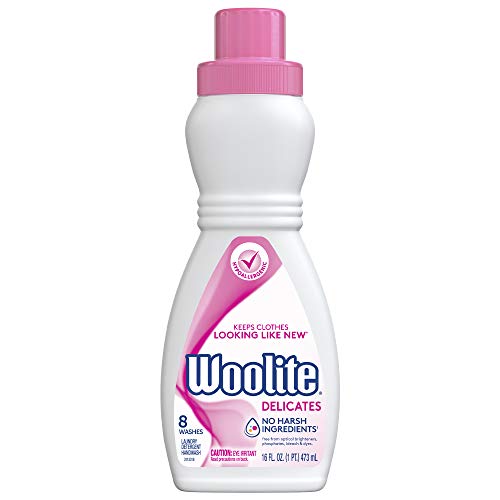
- Delicate laundry detergent for dress shirts
- Garment steamer for dress shirts
- Steam iron for dress shirts


Before You Start
Check shirt care labels for fabric type and washing instructions. Perform a spot test with any stain remover on an inconspicuous area first to avoid color fading. Pre-treat stains as soon as possible, using gentle, fabric-safe products. Plan for about 30–60 minutes for basic cleaning and pressing, longer for heavier soils or multiple shirts.
Step-By-Step: How To Clean Dress Shirts
- Inspect the shirt for stains, buttons, and loose threads; fasten buttons and turn the shirt inside out if needed.
- Gently dab any fresh stains with a stain remover pen for dress shirts, following the product’s instructions. Avoid rubbing hard to prevent spreading.
- Apply a pre-wash stain remover spray for cotton dress shirts to tougher spots such as underarms or cuffs; let it sit for 5–10 minutes.
- Fill a basin with cool or lukewarm water and add delicate laundry detergent for dress shirts as directed. Submerge the shirt and gently agitate.
- Rinse thoroughly with cool water until no soap suds remain. Gently squeeze out excess water; avoid wringing.
- For machine washing, use a gentle cycle with cold water. If hand-washing, press water out and lay flat on a clean towel to air-dry, or hang to dry away from direct sunlight.
- Once dry, prepare the shirt for pressing. If needed, use a steam iron for dress shirts with appropriate heat for the fabric; or opt for a garment steamer for dress shirts to relax fibers.
- Follow ironing guidelines: collar, cuffs, placket, and sleeves. Iron while the fabric is slightly damp for best results; use a pressing cloth on delicate fabrics.
- Hang shirts on hangers immediately after pressing to maintain crisp lines and prevent new wrinkles.
- For ongoing freshness, store shirts in a cool, dry closet, avoiding overcrowding which can cause new wrinkles.
- Repeat the process as needed, adapting water temperature and detergent to fabric type and stain severity.
Troubleshooting
| Symptom | Likely Cause | Fix | Prevention |
|---|---|---|---|
| Wrinkles after washing | Overloading, high heat, or insufficient drying | Dry on a gentle cycle, remove promptly, and line-dry or use low heat | Wash with similar fabrics; use a proper dryer setting or air dry |
| Color fading | Overuse of strong stain removers or hot water | Limit stain remover exposure; wash in cold water | Follow label directions; test on inconspicuous area |
| Stains persist after treatment | Stain deep in fibers or inappropriate product | Reapply stain remover; consider a professional spot treatment | Address stains promptly; avoid drying before treating |
| Shiny fabric after ironing | Too high heat or pressure | Lower iron temperature and use a pressing cloth | Match heat to fabric care label |
Common Mistakes
- Rubbing stains aggressively, which drives them deeper into fibers.
- Using hot water on delicate fabrics that shrink or fade.
- Overdrying shirts, which makes wrinkles set harder to remove.
- Ironing directly on colorful or textured areas without a protective cloth.
Tips For Best Results
- Pre-treat underarm and collar areas regularly to prevent heavy staining.
- Stir stains with a soft brush or cloth rather than scrubbing with a rough surface.
- Use a garment steamer for quick touch-ups between wears to extend shirt life.
- Store shirts on wide hangers to maintain shape and prevent creases.
Call A Professional
Seek professional cleaning if shirts have delicate fabrics (such as silk blends), unusual stains (oil-based or dye transfer), or if there’s persistent yellowing around collars and cuffs. If you notice fabric damage or color bleeding that worsens after home treatment, consult a cleaner to avoid further harm.
FAQ
Can I clean dress shirts without a washing machine?
Yes, hand-washing with a delicate detergent is effective and gentler on fabrics.
Is a stain remover pen enough for tough stains?
Stain remover pens work on many spots, but pre-wash sprays and brief soaking improve results on cotton dress shirts.
How should I press a dress shirt to avoid shine?
Use a low to medium heat setting, a clean pressing cloth, and iron in smooth, even strokes.
What fabric care should I follow for non-cotton shirts?
Always check the care label and choose water temperature and detergents appropriate for the fabric type.
Buying Guide
When choosing gear for dress shirt care, consider factors like size, noise level, energy efficiency, controls, and placement. For a complete setup, shoppers may evaluate items such as a garment steamer and a steam iron for efficiency, portability, and fabric safety. Look for models with adjustable steam settings, comfortable handles, and safe soleplates. Noise levels may matter in shared living spaces, so quieter steamers and irons can be preferable. Energy efficiency and automatic shutoffs help minimize consumption. Finally, assess placement: compact devices fit well in small laundry spaces, while larger units may be better for a dedicated laundry area. By balancing these factors, users can maintain crisp, ready-to-wear dress shirts with minimal effort.