Diarrhea stains and odors in a car seat can be stubborn and embarrassing, but quick, methodical cleaning limits staining and keeps the interior fresh. This guide outlines safe, practical steps for American households to remove messes from fabric car seats using common automotive cleaners and basic tools.
Quick Answer
Act fast to blot liquids and avoid full saturation. Use an enzyme-based upholstery stain remover for car seats to break down organic matter, then follow with a fabric cleaner spray and a brush set. A portable wet-dry vac helps extract moisture, and a steam cleaner adds final sanitization. Always test cleaners on an inconspicuous area first.
What You’ll Need
- Enzyme-based upholstery stain remover for car seats
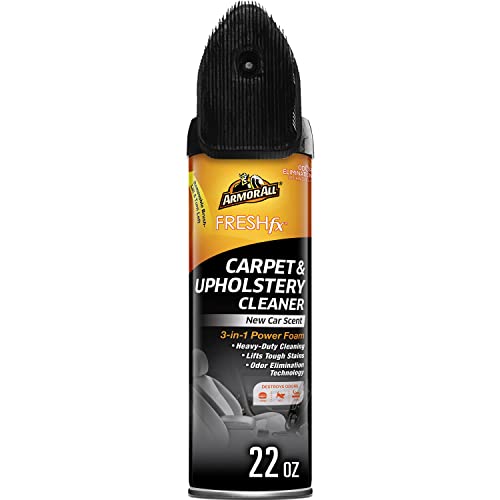
- Car interior fabric cleaner spray for stains
- Car seat upholstery cleaning brush set
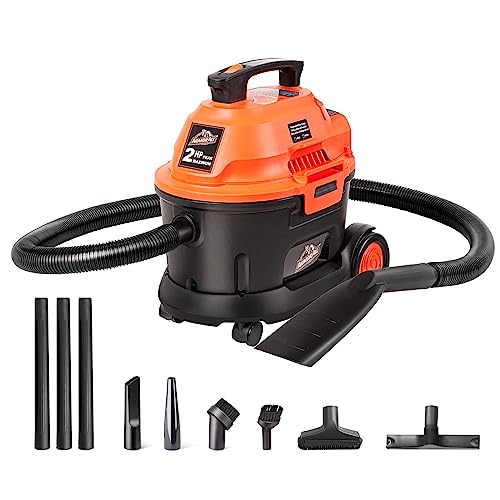
- Portable wet-dry vac for car detailing
- Car upholstery steam cleaner

Before You Start
Preparation reduces risk of setting stains and odors. Move passengers away, remove loose debris, and ventilate the vehicle. If the stain is fresh, blot with paper towels or a clean cloth to absorb excess moisture without rubbing it in. Wear gloves and consider a mask if there is a strong odor. Time estimates vary: most sessions take 30–90 minutes, plus drying time.
Important cautions: do not apply overly hot water to fabric, which can set stains. Check the car seat fabric type and cleaner compatibility to avoid color fading. Always follow the product instructions and perform a spot test in an inconspicuous area.
Step-By-Step: How To Clean Diarrhea From Car Seat
- Contain and blot: Use disposable towels to blot the spill gently, absorbing as much liquid as possible without rubbing. Avoid pressing deeply into the foam padding.
- Apply enzyme treatment: Spray the enzyme-based upholstery stain remover for car seats lightly over the affected area. Let it sit for the recommended dwell time to break down organic matter.
- Gently agitate: Use a car seat upholstery cleaning brush set to agitate the fabric in a circular motion, focusing on the stain edge to lift it from fibers.
- Rinse and extract: Lightly mist with water or a compatible cleaner, then use a portable wet-dry vac for car detailing to extract moisture and cleaner residue. Repeat as needed until extraction slows.
- Deodorize and sanitize: Apply a car interior fabric cleaner spray for stains with odor control. If available, run the car upholstery steam cleaner over the area to sanitize and further loosen embedded particles.
- Dry thoroughly: Allow the seat to air dry completely, with windows cracked or fans running to maximize airflow. Use the vacuum again after drying to remove any remaining damp fibers.
- Reassess and repeat if needed: Once dry, check for residue or odor. If staining persists, repeat the enzyme treatment followed by vacuuming and steam sanitization.
- Prevent future issues: Consider placing a seat cover or splash mat for easier cleanup and ongoing maintenance.
- Final check: Ensure no residual moisture remains in seams or cushions to prevent mildew. If odor lingers, repeat deodorizing steps or consult a professional cleaner.
Troubleshooting
| Symptom | Likely Cause | Fix | Prevention |
|---|---|---|---|
| Persistent odor after cleaning | Organic residue in padding | Repeat enzymatic treatment and steam clean | Immediate blotting and stain removal in future incidents |
| Color fading or staining after cleaning | Cleaner compatibility issue | Spot test cleaner on inconspicuous fabric first; switch products | Test products before full application |
| Fabric stiff or rough after cleaning | Over-wetting | Progressive extraction with vacuum and thorough drying | Use minimal moisture, allow ample drying time |
| Still damp after hours | Poor airflow | Use fans, crack windows, and run the car heater/AC | Schedule cleaning during warm, dry conditions |
Common Mistakes To Avoid
- Using hot water or steam too early can set stains.
- Rubbing vigorously; it pushes stain fibers deeper.
- Skipping a test spot on fabric can lead to color damage.
- Over-saturating seating cushions; moisture can lead to mildew.
- Ignoring odor; failing to deodorize after cleaning.
Tips For Best Results
- Work from the outside edges toward the center to prevent spreading the stain.
- Use enzyme-based cleaners first for proteins and organic material.
- Combine vacuuming with steam sanitization for a deeper clean.
- Keep a spare towel on hand for quick blotting and absorption during cleanup.
- Schedule regular fabric maintenance to extend the life of car seats.
Call A Professional
Consider contacting a professional if any of the following apply: the stain is deeply set after multiple cleanings, there is persistent odor, or the seat foam shows signs of wear or moisture damage. Damaged foam or discoloration may require specialized equipment and expertise beyond home cleaning supplies.
FAQ
Can I use dish soap on car seats for diarrhea stains?
Dish soap can help with basic grease, but enzyme-based stain removers are typically more effective for organic messes on fabric seats.
Is steam cleaning safe for all car fabrics?
Steam is generally effective, but test a small area first and ensure the fabric is steam-compatible to avoid damage.
How long should I let the seat dry before using the car?
Allow at least 4–6 hours in a dry environment, longer in humid conditions.
What if the stain reappears after cleaning?
Repeat the cleaning cycle and check for moisture trapped in padding; deeper stains may require multiple passes or professional help.
Are there odor-control products suited for cars?
Yes, look for odor-neutralizing sprays designed for automotive fabrics and follow label directions.
How can I prevent future accidents from becoming stains?
Use seat protectors and treat spills promptly with blotting and cleaner products.
Buying Guide
When selecting products to clean diarrhea or other organic stains from car seats, consider size, effectiveness, and ease of use. For most households, a combination of enzyme-based cleaners, fabric sprays, and portable extraction tools provides a complete kit. Pay attention to compatibility with your car’s upholstery fabric and the product’s safety data sheet. Noise level and energy use are minor concerns for at-home use, but portability matters for quick cleanups in a driveway or garage.
Key buying factors include size and coverage: larger bottles or concentrated formulas reduce repeated purchases, while smaller sprays offer precision on tight seams. Noise and operation levels should suit a typical home environment, especially in smaller vehicles. Energy efficiency applies mainly to steam cleaners that rely on power outlets; look for models with efficient heat cycles and automatic shutoffs. Controls should be simple and intuitive, with clear dwell times and warning indicators. Finally, consider placement and storage: choose compact tools that fit in a cleaning kit or trunk compartment for quick access after small accidents.