Young artists often leave bright marks on kitchen backsplashes, bathroom tiles, or playroom floors. Crayon residue can be stubborn, especially on smooth ceramic or porcelain tile. This guide presents practical, safe methods and a handy toolkit to restore tiled surfaces without damaging the grout or finish.
Quick Answer
Best starter approach: scrape gently with a tile scraper with replaceable blades, then treat remaining marks with a melamine sponge, followed by a thorough rinse. For textured grout lines, use a grout cleaning brush with an angled head to reach deep into joints. Finish with a tile cleaning scrub brush set with a handle for an even shine.
What You’ll Need
Gather these tools and supplies to remove crayon from tile effectively. Tools and materials are listed in order of typical use during the cleaning process.
- Tile scraper with replaceable blades
- Nylon grout brush for tile cleaning
- Grout cleaning brush with angled head
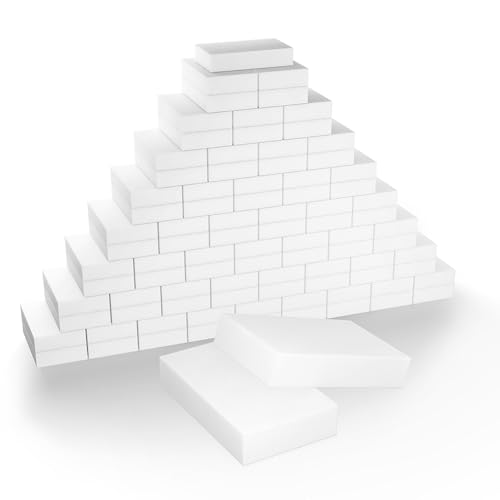
- Melamine sponge magic eraser for tile
- Tile cleaning scrub brush set with handle


Before You Start
Prepare the area by removing nearby items and protecting surfaces that could be damaged by scraping or cleaners. Test a small, inconspicuous tile spot before broader application to ensure no dulling or scratching occurs. Use mild, non-abrasive cleaners on delicate finishes. Allow any cleaner to sit briefly on marks to loosen pigments, then proceed with gentle agitation. Plan for a cleanup window of 15–30 minutes depending on the extent of the crayon marks.
Step-By-Step: How To Remove Crayon From Tile
- Evaluate the surface: Determine if the tile is glazed ceramic, porcelain, or a specialty finish. This informs whether a scraper is appropriate and which cleaners to avoid.
- Gently scrape excess crayon: Use the tile scraper with replaceable blades at a shallow angle to lift large waxy deposits without scratching grout lines.
- Apply a mild cleaner: For most tiles, apply a small amount of warm soapy water or a mild household cleaner to the area and let it sit for 1–2 minutes.
- Use a melamine sponge: Dampen the melamine sponge and rub the stained area in circular motions. The sponge is effective at lifting waxy residue without excessive scrubbing.
- <bTarget grout lines: If crayon has infiltrated grout, switch to a grout cleaning brush with angled head and work along the joints to dislodge pigment.
- Rinse and repeat: Wipe away residue with clean water and a microfiber cloth. Repeat steps as needed for stubborn spots.
- Deep clean with a brush set: For extensive marks, use the tile cleaning scrub brush set with handle to evenly lift pigment across larger areas.
- Dry and inspect: After cleaning, dry the tile with a clean towel and inspect for any remaining marks. Avoid leaving moisture in grout joints to prevent mold growth.
- Optional sealing check: If grout appears porous or worn, consider resealing after complete drying to ease future cleaning.
- Final wipe: Finish with a dry microfiber cloth to remove streaks and restore tile shine.
- Safety note: If any cleaner causes irritation or a strong odor, stop use and ventilate the area.
Troubleshooting
| Symptom | Likely Cause | Fix | Prevention |
|---|---|---|---|
| Crayon residues persist after washing | Heavily saturated wax or pigment in grout | Increase dwell time with mild cleaner, use angled grout brush | Treat marks soon after they appear |
| Scratching on tile surface | Aggressive scraping or abrasive cleaners | Switch to softer tools, reduce blade exposure | Test spot before large areas |
| Streaks or dull patches | Residue buildup or improper rinsing | Rinse thoroughly with clean water and dry | Rinse frequently during cleaning |
| Grout discoloration after cleaning | Excess cleaner residue | Rinse with clear water, scrub grout gently | Use sparing cleaner on grout lines |
Common Mistakes
- Using harsh abrasives on glossy tile surfaces
- Over-wetting grout lines, which can cause mold growth
- Skipping a test spot, leading to unexpected damage
- Rubbing too aggressively with the melamine sponge, causing surface wear
Tips For Best Results
- Work from the edges toward the center to prevent spreading crayon across clean areas.
- Choose tools with non-metal blades on delicate tiles to avoid scratching.
- For large areas, use a spray bottle with warm water and a mild detergent to keep the surface damp and easier to clean.
- After cleaning, consider a light reseal of grout if your tile surface is porous.
- Keep a tidy cleaning kit nearby to reduce reintroducing crayon from other rooms.
Call A Professional
Consider contacting a pro if crayon marks are deeply embedded in porous grout, if tiles show fine scratches that affect appearance, or if the area spans a large surface with persistent staining. Stop signs include: extensive staining beyond one square foot, warping or cracking tiles, or any signs of moisture buildup behind the tiles. A licensed tile specialist can assess the grout condition and recommend appropriate restoration or replacement options.
FAQ
Can I use bleach to remove crayon from tile?
Bleach can discolor grout and may degrade some tile finishes. Use milder cleaners first, and dilute any stronger chemicals following label directions.
Is a heat gun or iron safe for crayon removal?
Heat tools are generally not recommended for tile surfaces and can damage adhesives or glaze. Use gentler methods first.
Will the melamine sponge damage grout?
When used gently, melamine sponges are safe on most tile surfaces, but avoid scrubbing aggressively within grout lines to prevent wear.
How do I prevent crayon staining in the future?
Keep markers and crayons away from tiled areas or store them in a closed container. Wipe spills quickly and consider applying a grout sealer to ease future cleanups.
Buying Guide
Choosing the right tools for crayon removal on tile involves balancing effectiveness, surface safety, and ease of use. Here are key buying factors to consider:
- Size and orientation of the area: Larger bathrooms or kitchens may benefit from a tile cleaning scrub brush set with a long handle for reach and leverage.
- Tile type and finish: Glazed ceramic and porcelain tiles tolerate scrapers and mild cleaners, while unglazed or natural stone requires gentler methods.
- Grout condition: If grout lines are stained or cracked, a grout cleaning brush with an angled head helps reach into joints more effectively.
- Tool material: Prefer nylon or plastic bristles to prevent scratching, and ensure blades on scrapers are replaceable for longer tool life.
- Ease of cleaning: Melamine sponges and brushes with easy-to-clean surfaces save time during maintenance.
- Noise and comfort: If cleaning large areas, consider tools with ergonomic handles and low-noise operation for comfort.
- Storage and durability: Look for sets that store compactly and include multiple brush heads or replacement blades for ongoing use.
In practice, a basic kit including a tile scraper with replaceable blades, a grout brush with angled head, a melamine sponge, and a tile cleaning scrub brush set provides a flexible, repeatable workflow for most households. When choosing, match tools to the tile type and expected cleaning frequency, and opt for equipment that can be cleaned easily after use.