Cleaning fabric couch cushions without a washing machine is a practical skill for homeowners who want fresh, stain-free seating without the hassle of hauling a heavy piece to a laundromat. This guide covers simple, effective methods using common cleaning tools and products designed for upholstery care.
This article walks through a practical, step-by-step approach to refresh cushions, remove common spills, and extend the life of upholstery. It emphasizes safe practices for fabric couches and clear guidance on selecting compatible cleaners and tools.
Quick Answer
Spot clean stains first with a fabric sofa cushion spot cleaner spray, then use a steam cleaner for deep refreshment. For dried or set stains, an upholstery stain remover powder can help. Finish with a microfiber cloth set for best results and a couch upholstery cleaning brush kit for agitation.
What You’ll Need
The following tools and materials support effective cleaning of couch cushions without a washing machine. Use each item as needed based on your cushion fabric and stain type.
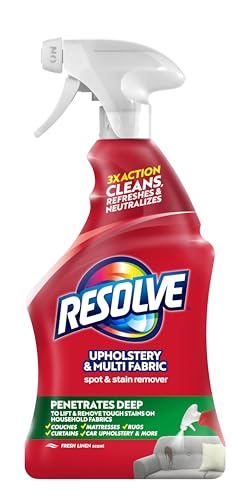
- Fabric sofa cushion spot cleaner spray 22 oz
- Upholstery stain remover powder for couches
- Steam cleaner for fabric couch cushions
- Couch upholstery cleaning brush kit
- Microfiber cleaning cloth set for upholstery and cushions


Before You Start
Prepare the area by removing loose debris and placing a protective cloth or plastic sheet on nearby surfaces. Test any cleaner in an inconspicuous area of the cushion to check colorfastness and fabric reaction. Time estimates vary, but plan about 30–60 minutes per cushion depending on stain severity and drying time. Important cautions: avoid saturating cushions, do not use bleach on colored fabrics, and never use a hot steam setting on delicate fabrics that could shrink or warp.
Step-By-Step: How To Clean Couch Cushions Without a Washing Machine
- Remove the cushion covers if they’re removable; if not, work with the cushion surface only to minimize risk of dye transfer.
- Brush away loose dirt with a couch upholstery cleaning brush kit to lift fibers and expose stains.
- Apply a fabric sofa cushion spot cleaner spray to the stained area, following label directions. Blot gently with a microfiber cloth to lift stains—avoid scrubbing hard.
- For tougher stains, sprinkle upholstery stain remover powder on the spot. Lightly brush the powder into the fabric and allow it to sit as directed before blotting with a clean cloth.
- Use a steam cleaner to refresh the cushion surface, keeping the nozzle at a moderate distance to avoid over-wetting. Move in slow, overlapping strokes for even cleaning.
- Wipe the area with a fresh microfiber cloth to remove loosened moisture and residue. Repeat as needed until the fabric feels dry to the touch.
- Air-dry cushions completely before reassembling or using. Place cushions in a well-ventilated area and avoid direct heat that could damage fibers.
- Repeat spot treatment on any remaining stains and re-clean high-traffic areas to maintain a uniform appearance.
- For persistent odors, repeat the cleaning cycle or consider a fabric refresher spray after drying to restore freshness.
- Return cushions to their place once fully dry and inspect for any residual staining or dampness before heavy use.
- Optional maintenance: schedule regular light cleanings with microfiber cloths and touch-up sprays to reduce buildup over time.
Troubleshooting
| Symptom | Likely Cause | Fix | Prevention |
|---|---|---|---|
| Stains reappear after drying | Stain was not fully removed or fabric absorbed pigment | Reapply stain remover and repeat blotting; consider professional stain remedies | Address stains promptly; test cleaner first |
| Fabric feels stiff after cleaning | Excess cleaner residue or incomplete drying | Rinse with a light mist of water and blot; increase drying ventilation | Use minimal cleaner; ensure thorough drying |
| Color bleeding when cleaning | Colorfastness issue or aggressive cleaner | Stop using the product; test a hidden area first | Choose products labeled for your fabric |
| Excess moisture remains | Over-wetting or poor airflow | Use fans or a dehumidifier; extend drying time | Work in smaller sections; avoid over-wetting |
Common Mistakes
- Over-wetting cushions, which slows drying and risks mildew
- Using hot steam on delicate fabrics that may shrink or warp
- Scrubbing aggressively, which can fray fibers and spread stains
- Neglecting a pre-test to check colorfastness and fabric compatibility
Tips For Best Results
- Always test cleaners on a hidden area before full application to protect fabric color
- Work with light, even motions to avoid saturating the cushion
- Use microfiber cloths for their absorbency and lint-free performance
- Maintain a consistent drying environment to prevent odor and mildew
- Maintain a regular cleaning schedule to prevent buildup on upholstery
Call A Professional
Consult a professional if stains are oil-based, dye transfers occur, or cushions are delicate, antique, or systemically soiled. Seek help immediately if the fabric shows fading, unraveling seams, or persistent moisture that you cannot safely remove with at-home methods.
FAQ
Can I use a regular household cleaner on couch cushions?
Only if it is labeled safe for upholstery and tested on a hidden area first.
Is a steam cleaner safe for all fabrics?
No; some fabrics may be damaged by heat or moisture. Check fabric care labels before use.
How long do cushions take to dry?
Drying times vary, but plan several hours to overnight in a ventilated space.
What should I do about odors?
Use a fabric refresher after the cushions are fully dry or apply a light odor-neutralizing spray.
Should I remove cushion covers for washing?
If covers are removable and labeled machine-washable, follow the care instructions; otherwise, clean them in place with the methods described.
How often should I clean couch cushions?
Light spot cleaning weekly and a deeper refresh every 1–3 months, depending on usage and spill frequency.
Buying Guide
Choosing the right cleaning approach for couch cushions depends on several factors. Consider the cushion fabric type, stain severity, and your home environment. Below are key buying factors to help select compatible products and accessories:
- Size and coverage: Match spray bottles and powders to cushion area; larger sofas may require multiple cleaners.
- Noise and ease of use: Steam cleaners with adjustable settings offer flexible cleaning power without excessive noise.
- Energy efficiency: Efficient steam cleaners and low-energy devices reduce power use during longer cleaning sessions.
- Controls and ease of operation: Look for simple spray, blot, and steam controls with clear instructions.
- Placement and ventilation: Clean in a well-ventilated area to speed drying and minimize lingering odors.
Exploring combinations of products—such as a fabric sofa cushion spot cleaner spray, upholstery stain remover powder, a steam cleaner, and a microfiber cloth set—helps create a versatile at-home system. For best results, select tools designed for upholstery and test them on inconspicuous areas first. Is your couch made of delicate fabric or a heavy, textured weave? Tailor the approach to protect color, fiber, and cushioning integrity.