Cloudy or cloudy-looking glass vases can obscure the beauty of fresh flowers and decorative stems. This guide provides practical, step-by-step methods using common cleaning tools and specialty kits to restore clarity without damaging delicate glass.
Quick Answer
For most cloudy glass vases, start with a mild cleaning solution, a soft brush, and, if needed, vase cleaning beads. For stubborn buildup, an ultrasonic cleaner or a long-handled narrow vase brush can reach tight spots. Rinse thoroughly and air-dry to prevent new deposits.
What You’ll Need
- Glass vase cleaning brush set
- Vase cleaning beads kit for cloudy glass
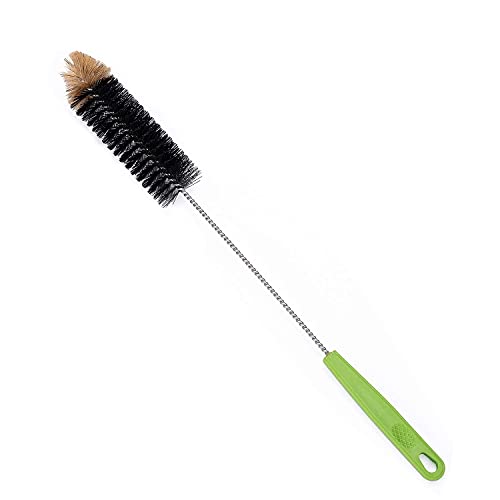
- Long-handled narrow vase brush
- Ultrasonic cleaner for glass and bottles
- Vase cleaning wand with flexible bristles


Before You Start
Inspect the vase for cracks or loose seams before cleaning. Use gloves if you have sensitive skin or sharp edges. Work over a sink or basin to contain splashes. For delicate or antique pieces, test a small area first and avoid aggressive scrubbing. The typical cleaning session takes 15–30 minutes, depending on buildup.
Step-By-Step: How To Clean Cloudy Glass Vase
- Empty the vase and rinse with warm water to remove surface debris.
- Prepare a cleaning solution: a small amount of mild dish soap or a dedicated glass cleaner in warm water.
- Pour the solution into the vase and use a glass vase cleaning brush set or a long-handled narrow vase brush to scrub the interior walls gently.
- For mineral deposits, add a vase cleaning beads kit for cloudy glass into the vase and swirl to abrade the deposits. Let sit for 5–10 minutes.
- Rinse thoroughly with clean water, ensuring all residues are removed. Repeat if necessary.
- If buildup persists, employ an ultrasonic cleaner for glass and bottles to dislodge stubborn grime—follow the device’s instructions and avoid exposing the vase to excessive shocks.
- Dry the vase completely with a lint-free towel and allow it to air-dry upside down on a soft surface to prevent water spots.
- Inspect for any remaining haze; repeat steps or switch to a vase cleaning wand with flexible bristles for hard-to-reach corners.
- Store the clean vase in a dust-free area or use a protective wrap if it will be moved frequently.
- For regular maintenance, rinse with clean water after each use and perform a quick interior wipe monthly to prevent buildup.
Troubleshooting
| Symptom | Likely Cause | Fix | Prevention |
|---|---|---|---|
| Cloudiness returns after cleaning | Mineral deposits or soap residue | Rinse thoroughly, use distilled water for final rinse | Clean promptly after use; avoid hard water |
| Streaks or water spots | Drying moisture on glass | Dry with a microfiber cloth; air-dry completely | Dry in a dust-free area |
| Interior scratches | Aggressive scrubbing | Switch to softer brushes and gentler motions | Use appropriate brush sizes for space |
| Capacity not cleaning evenly | Uneven deposits on walls | Rotate vase and scrub from different angles | Use bead kits for uniform contact |
Common Mistakes
- Using harsh abrasives that scratch the glass
- Ignoring the bottom and crevices where deposits hide
- Overfilling the vase with cleaning solution, causing overflow
- Rushing the rinse step, leaving residue behind
Tips For Best Results
- Pre-warm water helps dissolve mineral deposits more effectively.
- Use a combination of tools: a brush for large areas and a wand with flexible bristles for corners.
- For delicate or antique pieces, avoid metal brushes and leaning on the glass.
- Protect the vase surface by selecting non-scratch sponges and microfiber cloths for drying.
- Consider a gentle, non-acid cleaner if mineral buildup is extreme, and test first on a small spot.
Call A Professional
Stop cleaning and seek expert help if the vase has cracks, chips, or if the interior coating appears damaged. If you plan to use an ultrasonic cleaner and the vase is unusually valuable or irregular, consult a professional conservator to avoid unintended damage.
FAQ
Can I use vinegar to clean a cloudy glass vase?
Yes, a diluted vinegar solution can help remove mineral deposits, but test first and rinse thoroughly to avoid any lingering odor or residue.
Is it safe to use an ultrasonic cleaner on all glass vases?
Most glass vases tolerate ultrasonic cleaners, but very thin or antique pieces should be tested carefully or cleaned manually to prevent damage.
What if I don’t have vase cleaning beads?
Use a mixture of warm water, a small amount of dish soap, and a few grains of fine baking soda as a light abrasive alternative.
How often should I clean a vase with cloudy buildup?
Clean as soon as you notice cloudiness. For frequent use, perform a light rinse weekly and a deep clean monthly.
Can I reuse the same cleaning tools for other glass items?
Yes, but ensure tools are dedicated to glass cleaning or thoroughly cleaned to avoid transferring residues.
What’s the best way to dry a narrow vase interior?
Use a long-handled narrow vase brush to reach the interior walls, followed by air-drying on a rack or stand designed for tall vessels.
Should I wear gloves during cleaning?
Gloves protect hands from cleaners and sharp edges, and they also reduce the transfer of oils from skin to glass surfaces.
Buying Guide
When selecting tools for cleaning cloudy glass vases, consider size, compatibility with your vase shapes, and ease of use.
- Size and fit: Choose brush sets with various diameters to cover large and narrow openings. A long-handled narrow vase brush is essential for tight spaces.
- Cleaning power: Bead kits provide effective mineral removal, while ultrasonic cleaners offer deep cleaning but require caution with delicate pieces.
- Noise and energy: Ultrasonic cleaners can be efficient but may have higher energy use and noise; compare models with quiet operation.
- Controls and ease of use: Simple bristle wands and adjustable brushes help control scrubbing force for delicate glass.
- Placement: Store cleaning tools in a dedicated cabinet near the sink for quick access during vase maintenance.
Consider a kit that includes multiple tools and a protective bag or stand for drying. If unsure, start with a glass vase cleaning brush set and a vase cleaning beads kit for cloudy glass to assess effectiveness, then add an ultrasonic cleaner for glass and bottles if deeper cleaning is frequently needed.