Cloth sofas add comfort and style, but spills and everyday wear can dull their appearance. With the right tools and a steady routine, a home refresh is achievable without professional help. This guide outlines practical steps, safety tips, and product ideas to keep fabric upholstery looking clean and fresh.
Quick Answer
For routine cleaning, vacuum the sofa to remove loose dirt, treat stains with a fabric-safe spray, and use a dedicated sofa brush for gentle scrubbing. Lightly dampen a microfiber cloth to lift moisture and residue, then air-dry. For tougher stains, consider an upholstery steam cleaner to refresh the fabric without over-wetting.
What You’ll Need
The following tools and products align with common fabric sofa care needs. Gather these before you start to streamline the process.
- Upholstery steam cleaner for fabric sofa
- Fabric sofa stain remover spray
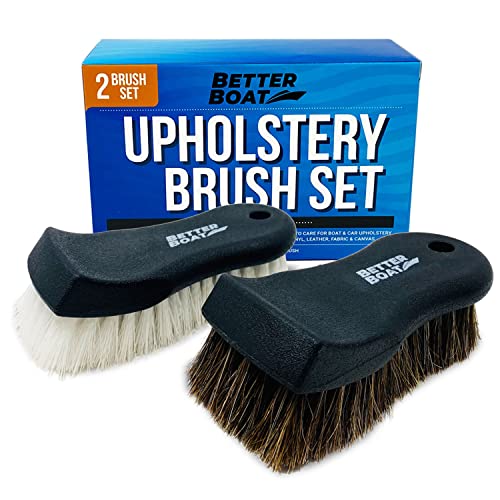
- Sofa cleaning brush set with upholstery scrub brushes
- Microfiber cleaning cloths for upholstery
- Protectant spray for fabric sofa upholstery


Before You Start
Check the sofa label for cleaning codes (W, S, W-S, or X). Use water-based cleaners on W or W-S fabrics only and avoid moisture on S-only fabrics unless advised. Test any product in an inconspicuous area for colorfastness. Vacuum thoroughly to remove dust and debris. Allow the area to dry completely between steps, and plan for a few hours of drying time in a well-ventilated room.
Step-By-Step: How To Clean A Cloth Sofa
- Vacuum the entire surface with a brush attachment to lift loose dirt and pet hair.
- Gently blot spills with a clean microfiber cloth to prevent setting stains.
- Apply a fabric-safe stain remover spray to the affected area following label directions.
- Let the spray sit for the recommended time, then use the sofa cleaning brush set to work the stain in a circular motion.
- For deeper cleaning, use the upholstery steam cleaner for fabric sofa according to the manufacturer’s instructions, focusing on one section at a time.
- Wipe away loosened dirt with a damp microfiber cloth, then blot dry with a dry towel or clean cloth.
- Lightly mist the surface with a protectant spray for fabric sofa upholstery to help repel future spills.
- Allow the sofa to air-dry completely before use; avoid direct heat sources during drying.
- Repeat as needed for stubborn stains, using the least invasive method first.
- Finish with a final light vacuum to remove any loosened fibers and restore nap.
Troubleshooting
| Symptom | Likely Cause | Fix | Prevention |
|---|---|---|---|
| Stains reappear after drying | Residual or improper cleaning | Reapply stain remover and re-clean with a soft scrub, then air-dry | Test in a hidden area; avoid overwetting |
| Color bleeding | Incorrect cleaner or moisture | Rinse with a damp cloth and pat dry; avoid harsh chemicals | Use colorfast test areas first |
| Rings or water marks | Uneven moisture | Evenly dampen and blot; use a fan to dry | Work in small sections |
| Fabrics feel stiff after cleaning | Residual cleaner or over-scrubbing | Rinse lightly with a clean damp cloth and air-dry | Use minimal moisture |
Common Mistakes
- Over-wetting the fabric, which can lead to mold or odor
- Using bleach or ammonia-based cleaners on colored fabrics
- Scrubbing too aggressively, causing fiber damage
- Skipping a test patch and dye transfer may occur
These missteps are common but avoidable with careful testing and gentle methods. When in doubt, opt for the mildest cleaner and proceed slowly.
Tips For Best Results
- Regular vacuuming keeps dirt and dust from grinding into fibers during cleaning.
- Use microfiber cloths for effective lifting without leaving lint behind.
- Schedule deep cleanings every 6–12 months, depending on usage and household pets.
- Store cleaning products out of reach of children and pets, and label each product clearly.
- For high-traffic or multi-pet homes, consider a fabric protector spray after cleaning to extend freshness.
Call A Professional
Seek professional help if a stain remains after multiple cleanings, the fabric shows dye migration, or the sofa has persistent odor. Areas with structural damage, loose stitching, or backing issues require professional assessment.
FAQ
Can I use household soap on a fabric sofa?
Plain, gentle soap and water can be safe on some fabrics, but always test first and follow the fabric code on the label.
Is steam cleaning safe for all fabric sofas?
Steam cleaning is effective on many fabrics but should be avoided on sensitive fibers or if the label restricts moisture.
How often should I clean a fabric sofa?
Light maintenance weekly and deeper cleans every 6–12 months, depending on usage and stains.
Should I use a protectant spray after cleaning?
Yes, a fabric protectant spray can help repel spills, but test for colorfastness first and follow product directions.
Can I clean cushions separately?
Yes, remove cushions and treat them individually, allowing each to dry completely before reassembling.
What if the stain is oil-based?
Oil-based stains often respond to absorbent powders first, then a specialized stain remover suitable for the fabric.
Is a brush set necessary?
A dedicated sofa brush set helps lift dirt without snagging fibers and is especially helpful for textured fabrics.
Buying Guide
Choosing products for cloth sofa care depends on fabric type, staining tendencies, and household needs. Consider the following factors to pick effective tools and cleaners:
- Size and compatibility: Ensure the upholstery steam cleaner is appropriate for your sofa’s fabric and cushions; check tank capacity and heat settings.
- Stain remover efficacy: Look for color-safe formulas that work on common spills like coffee, wine, and pet accidents.
- Cleaning brushes: A set with varying stiffness helps address pile, cushions, and hard-to-reach seams without fiber damage.
- Microfiber cloths: High-quality, lint-free cloths prevent residue and improve blotting efficiency.
- Protectant sprays: Choose fabric-safe protectants that restore water repellency and resist UV fading.
- Drying time: Faster-drying products reduce opportunities for mold and odors in humid environments.
- Label codes: Always match products to upholstery cleaning codes (W, S, W-S, X) to avoid damage.
For a balanced approach, combine a gentle stain remover, a versatile brush set, and a capable steam cleaner for periodic renewal. Do you prefer a lighter maintenance routine or a deeper seasonal refresh? Your choices should align with your sofa’s fabric and household habits.