Clay bead bracelets, including those made from polymer clay, can add vibrant color and personality to any outfit. Regular cleaning helps preserve their shine and extends the life of the beads and stringing. This guide outlines simple, safe methods that work for most polymer clay bracelets and uses common household supplies.
Whether your bracelet is a casual piece or a statement accessory, proper cleaning removes oils, dust, and residue without damaging the clay or the stringing material. The steps below balance effectiveness with gentle handling to keep the beads intact and colors bright.
Quick Answer
Gently wipe the bracelet with a soft cloth dampened with mild soap and water, then softly pat dry. For stubborn grime, use a soft toothbrush with light, circular motions. Avoid harsh cleaners or soaking strings for long periods. Finish with a quick wipe and air dry completely before wearing again.
What You’ll Need
- Polymer clay bead bracelet cleaning brush
- Polymer clay jewelry cleaning wipes
- Mild soap and water jewelry cleaner for polymer clay beads
- Soft toothbrush for cleaning polymer clay bracelet
- Polymer clay bead jewelry care kit
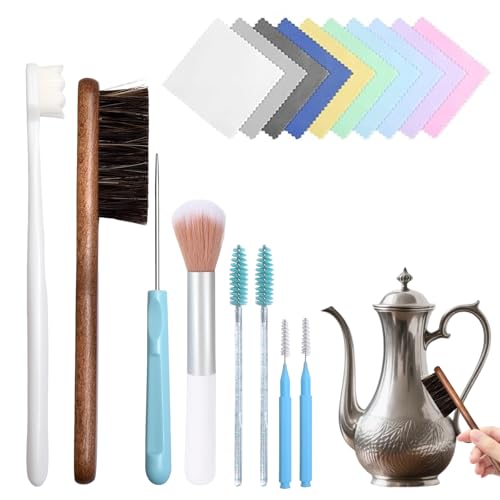 |
18 Pack Jewelry Cleaning Brush Set,Professional Silver Cleaning Kit with Polishing Cloth Needles Brush for All Jewelry Diamond Ring Earring |
Before You Start
Check the bracelet’s stringing for wear or fraying before cleaning. If the thread or fishing line shows signs of weakness, consider restringing first to prevent breakage during cleaning. Use a shallow bowl and lukewarm water to avoid thermal shock that could crack the clay. Avoid soaking the entire bracelet for long periods, as prolonged moisture can weaken some stringing materials and affect coatings on the beads.
Test any cleaner on a small, inconspicuous area of a bead to ensure the finish isn’t damaged. Work in a well-lit area to spot any missed spots, and lay the bracelet flat to dry completely to prevent mold or odor build-up.
Step-By-Step: How To Clean Clay Bead Bracelets
- Remove the bracelet from any jewelry set or wrist to prevent accidental tangling. Inspect the clasp and stringing for damage before you begin.
- Wipe the beads gently with a dry microfiber cloth to remove surface dust and oils.
- Prepare a cleaning solution: mix a small drop of mild soap with lukewarm water in a shallow dish.
- Dip a soft toothbrush or polymer clay bead cleaning brush into the solution and gently brush each bead in small circular motions. Focus on areas near the clasp where grime can accumulate.
- For delicate finishes, use polymer clay jewelry cleaning wipes to wipe each bead after brushing, removing any remaining soap residue.
- Rinse the bracelet lightly by wiping with a cloth dampened with clean water to remove soap traces. Do not soak the stringing material for extended periods.
- Pat dry with a soft towel and place the bracelet on a clean surface to air dry completely before wearing again.
- Inspect the bracelet once dry. If any beads appear dull or discolored, consider repeating the light cleaning process or consulting a professional if needed.
Troubleshooting
| Symptom | Likely Cause | Fix | Prevention |
|---|---|---|---|
| Beads still look dull after cleaning | Soap residue or hidden grime | Wipe with polymer clay jewelry cleaning wipes after brushing | Clean in sections to ensure all areas are addressed |
| Clasp or thread shows wear | Over time from regular wear | Restring or repair as needed; avoid aggressive cleaning | Handle gently and store separately |
| Color fading or bead coating chipped | Harsh cleaners or soaking | Switch to mild soap and gentle brushing; avoid soaking | Use gentle products designed for polymer clay |
| Beads stick together after cleaning | Soap residue dries with a film | Wipe again with clean water and dry thoroughly | Rinse lightly and dry promptly |
Common Mistakes
- Using abrasive brushes or harsh cleaners that scratch the polymer clay surface
- Soaking the entire bracelet for long periods, which can weaken stringing
- Rubbing beads aggressively, causing color wear or surface gouges
- Ignoring the clasp and threading, which can harbor grime and lead to breakage
Tips For Best Results
- Clean in a well-ventilated area to avoid inhaling cleaning fumes from any products
- Use a dedicated soft toothbrush to target crevices around bead holes and clasps
- After cleaning, dry the bracelet completely before storing to prevent mildew
- Store polymer clay jewelry in a cool, dry place away from direct sunlight to preserve color
- Regular maintenance with the polymer clay bead jewelry care kit helps keep finishes uniform
Call A Professional
Seek professional help if: the bracelet has significant cracking, the beads are structurally loose, or the clasp is damaged beyond a simple repair. If a color alteration is suspected after cleaning and you cannot restore the original look, a jeweler experienced with polymer clay can advise on restoration options.
FAQ
Can I use household cleaners on polymer clay beads?
Most household cleaners are too harsh for polymer clay. Use mild soap and water or jewelry wipes designed for polymer clay materials.
Is soaking the bracelet harmful?
Yes. Prolonged soaking can weaken stringing and cause damage to finishes. Use brief cleaning and dry thoroughly.
How often should I clean polymer clay bead bracelets?
Clean as needed when you notice dirt buildup or oils from skin. Gentle cleaning every few weeks with light brushing is usually sufficient for regular wear.
Will cleaning restore shine to matte finishes?
Cleaning may restore some luster, but excessive polishing can wear down surfaces. Use gentle methods and avoid aggressive rubbing.
What if beads are cracking or separating from the thread?
That indicates a worn stringing material. Consider restringing with a compatible thread or cord and use appropriate knotting techniques to prevent future issues.
Buying Guide
When selecting cleaning supplies for polymer clay bead bracelets, consider size, compatibility, and safety. Look for items labeled safe for polymer clay and jewelry use, and choose tools that fit your bracelet’s bead holes and stringing type. Compare products based on material softness, ease of use, and how well they address sticky residue near clasps. For best results, a combined kit that includes a soft brush, wipes, and a mild cleaner saves time and ensures you have the right tools for routine maintenance. Consider the bracelet’s finish and any coatings that may require milder care to preserve color and shine.