Cat urine stains and odors on walls can be stubborn, especially behind baseboards or on textured surfaces. Proper cleaning not only removes stains but also neutralizes lingering odors that attract repeat marking. This guide offers clear steps, product recommendations, and practical tips to restore walls to their original appearance and scent without damaging paint or wallpaper.
Quick Answer
Act quickly with an enzymatic cleaner designed for walls, blot away moisture, and follow with a pet urine stain remover spray for walls to lift remaining marks. For tough spots, scrub gently with a wall-safe brush and finish with a microfiber cloth to prevent streaks.
What You’ll Need
- Enzymatic pet urine cleaner spray for walls 24oz
- Cat urine odor remover spray for walls 16oz
- Stain remover for pet urine on walls spray
- Scrub brush for wall cleaning pet stains
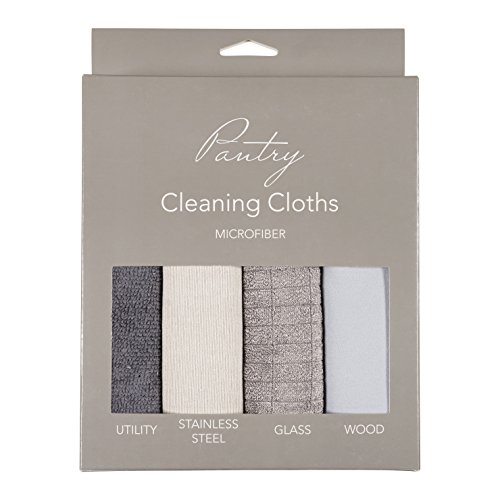
- Microfiber wall cleaning cloth set for pet stains


Before You Start
Prepare the area by removing furniture and protecting floors with a drop cloth. Ventilate the room well to disperse odors as the cleaner works. test cleaners on a small inconspicuous area first to ensure no color or finish damage. Time estimates: 15–30 minutes for light cleaning; up to an hour for deeper staining. Important: never mix cleaners, especially ammonia-based products, as fumes can combine to create hazardous conditions.
Step-By-Step: How To Clean Cat Pee Off Walls
- Blot excess moisture with a clean microfiber cloth to prevent spreading and to start odor control.
- Apply the enzymatic pet urine cleaner spray for walls 24oz to the affected area, following label directions for contact time.
- Wipe or blot the area again to remove dissolved residue after enzymatic action has had time to work.
- Spray the cat urine odor remover spray for walls 16oz over the same spot to neutralize remaining odors.
- If staining persists, apply the stain remover for pet urine on walls spray and let it sit per product directions.
- Gently scrub the area with a scrub brush for wall cleaning pet stains focused on the stain margin, not aggressive scrubbing that could damage paint.
- Rinse or wipe the area with a damp microfiber cloth to remove cleaner residues.
- Dry the surface with a fresh microfiber cloth and check for any remaining odor or stain from a distance.
- Repeat steps as needed on particularly stubborn spots, ensuring the surface is dry between passes.
- Repaint or touch up if the stain bleeds through or if the wall finish was compromised during cleaning.
- Clean surrounding areas to prevent re-soiling and maintain a fresh scent in the room.
Troubleshooting
| Symptom | Likely Cause | Fix | Prevention |
|---|---|---|---|
| Persistent odor after cleaning | Insufficient enzymatic action or hidden residue | Reapply enzymatic cleaner and odor remover, extend contact time | Clean surrounding area and seal porous surfaces if needed |
| Stains reappearing after drying | Deep staining or paint/sealant damage | Repaint or apply stain blocker before cleaning again | Test spot and avoid over-wetting |
| Discoloration or finish damage | Harsh scrubbing or incompatible cleaner | Switch to gentler approach and test on hidden area | Use wall-safe tools and follow label directions |
| Walls feel damp after cleaning | Excess moisture not drying promptly | Improve ventilation and dry thoroughly with towels | Open windows, use a fan |
Common Mistakes
- Over-wetting walls, which can cause paint or wallpaper damage
- Using ammonia or bleach cleaners near pet urine areas
- Skipping the test patch on a hidden wall spot
- Rushing the odor-neutralizing step, leading to faint smells remaining
Tips For Best Results
- Work from the center of the stain outward to avoid spreading.
- Use enzymatic cleaners specifically labeled for pet urine on walls for best odor breakdown.
- Follow each product’s dwell time for optimal results; do not wipe away too soon.
- Pair cleaners with microfibers to lift residue without lint or streaks.
- Keep pets out of the area until walls are completely dry and odors are neutralized.
Call A Professional
Consider a pro if stains are extensive, walls are painted with delicate finishes, or odors persist after multiple cleaning attempts. Seek professional help if moisture seems trapped behind walls or if mold growth is suspected. If ongoing urine marking occurs despite cleaning, a vet consult may help address underlying behavior or health issues.
FAQ
Can I use these products on painted walls?
Yes, provided you test a small hidden area first and follow product directions to avoid damage.
Do these cleaners remove odors permanently?
They neutralize odors effectively when used as directed, but repeated marking may require ongoing maintenance.
Is it safe to clean cat urine near wallpaper?
Yes, but wallpaper can be sensitive; use gentle scrubbing and avoid saturating the surface.
How long should walls be left to dry?
Allow thorough air drying, typically 1–2 hours, longer in humid spaces.
What if the stain returns after cleaning?
Repeat the cleaning cycle and consider repainting or sealing the area if the stain recurs.
Are enzymatic cleaners safe for pets after drying?
Most are safe once completely dry; ensure ventilation during use and follow label directions.
Buying Guide
When selecting cleaning products for walls with pet urine, consider size, scent neutrality, and compatibility with wall finishes. Key buying factors include:
- Size and concentration: A larger bottle or concentrated formula reduces frequency of purchases.
- Odor neutralization: Look for enzymatic cleaners and odor-neutralizing sprays designed for walls.
- Surface compatibility: Ensure products are safe for painted walls, wallpaper, or textured surfaces.
- Ease of use: Sprays with clear dwell times and microfiber-friendly removal work best for quick sessions.
- Safety: Child- and pet-safe labeling, non-toxic ingredients, and explicit avoidance of ammonia or bleach near pets.
- Placement considerations: Store cleaners out of reach of curious pets, and consider accessibility in rooms where marking is most likely.
For best results, pair the right cleaner with a dedicated wall cleaning workflow: enzymatic actives first, followed by odor neutralizers, then a gentle wipe and thorough drying. Is your home ready for a fresh, odor-free wall finish? With the right products and steps, most cat pee stains on walls can be resolved effectively.