Cast iron sinks are durable and stylish, but their enamel coating can be damaged by harsh cleaners or abrasive scrubbing. This guide provides practical steps to clean a cast iron sink effectively while preserving its shine and preventing hard water stains, rust, or dulling.
Following a simple routine and using the right tools can extend the life of the finish. The methods below apply to standard household sinks found in kitchens and laundry areas, using safe cleaners and appropriate scrubbing pads.
Quick Answer
Start with warm, soapy water, then tackle surface stains with a non-abrasive cleaner. For stuck-on grime, use a brush labeled safe for enamel and a non-scratch sponge. Rinse well, dry completely, and apply a light polish if desired to maintain the shine.
What You’ll Need
Gather these tools and materials before you begin. They cover common stains, mineral deposits, and everyday cleaning tasks.
- Cast iron sink cleaning brush
- Stiff bristle scrub brush for cast iron sink
- Non-scratch sponge for enamel cast iron sink
- Steel wool scrub pad for cast iron sink
- Enamel-safe cleaner for cast iron sink
- Soft microfiber cloths

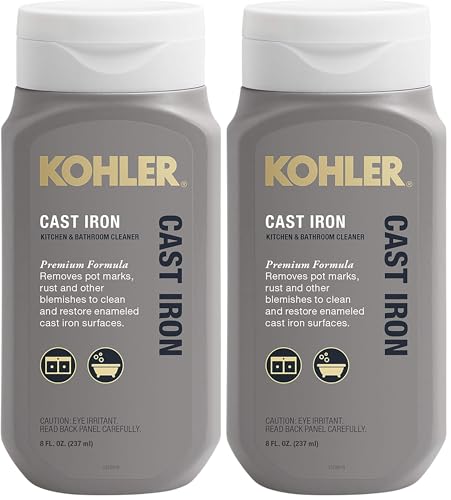

Before You Start
Prepare the area by removing dishes and securing any loose items. Ventilate the kitchen and wear gloves to protect hands from cleaners. Test cleaners on a small, inconspicuous area of the sink first to ensure colorfastness and finish compatibility. Time estimates: 15–30 minutes for routine cleaning, up to 60 minutes for stubborn stains. Critical cautions: avoid harsh or acidic products on enamel, never use metal scrapers, and do not leave abrasive pads in contact with the surface for extended periods.
Step-By-Step: How To Clean A Cast Iron Sink
- Rinse the sink with warm water to loosen loose debris and oils.
- Apply a small amount of enamel-safe cleaner for cast iron sink or a mild dish soap to a damp cloth or sponge.
- Use the non-scratch sponge for enamel cast iron sink to wipe the interior, moving in circular motions to lift grime without scratching the enamel.
- For tougher areas, employ the cast iron sink cleaning brush or stiff bristle scrub brush for cast iron sink to target corners and the drain area.
- Rinse thoroughly with warm water, ensuring all cleaner residues are removed.
- If mineral deposits remain, make a paste with baking soda and water, apply with a enamel-safe cleaner-dampened brush, and scrub gently.
- Rinse again and dry the surface completely with a microfiber cloth to prevent watermarks on the enamel.
- Optionally buff with a clean, dry cloth to restore shine and remove streaks.
- Inspect drain area for residue; repeat cleaning steps if necessary to remove buildup.
- Store tools dry after use to prevent rust on metal parts and keep cleaners in a cool, dry place.
- Perform routine maintenance every week or two to keep the surface looking new.
- For persistent rust spots, avoid metal pads and switch to a gentler approach with specialized enamel-safe products.
Troubleshooting
| Symptom | Likely Cause | Fix | Prevention |
|---|---|---|---|
| Cloudy or dull finish | Residue or mineral film | Remaintain with a thorough rinse and dry; buff with microfiber | Regular cleaning with non-abrasive tools |
| Stubborn stains | Oil or tannin buildup | Apply baking soda paste; scrub with stiff brush | Wipe after each use to prevent buildup |
| Scratch marks | Abrasive pads or harsh cleaners | Switch to enamel-safe cleaner and non-scratch sponge | Avoid metal scrubbers |
| Rust spots | Metal contact or water exposure | Use a rust-inhibiting cleaner and gentle scrub | Dry sink completely after use |
Common Mistakes
- Using steel wool or metal brushes on enamel surfaces
- Letting cleaners sit too long or using harsh acidic products
- Skipping thorough rinsing, which can leave residues
- Using the same brush for stainless appliances, risking contamination
Stick to enamel-safe products and soft brushes for best results, and always rinse thoroughly to avoid dulling the finish.
Tips For Best Results
- Clean promptly after spills to minimize staining from coffee, tea, or red wine.
- Dry with a microfiber cloth to prevent water spots and mineral deposits.
- For routine cleaning, a routine of warm water, mild soap, and soft sponge works well.
- Increase cleaning frequency in hard water regions to reduce mineral buildup.
- Store cleaning tools dry to extend their life and prevent residue transfer.
Call A Professional
Consider professional help if you notice:
- Unremovable deep scratches or significant surface damage
- Persistent rust that does not respond to standard cleaners
- Discoloration or enamel failure near seams or fixtures
For these cases, a professional restoration service or plumbing expert can assess whether refinishing or replacement is necessary. Avoid DIY methods that may void warranties or worsen damage.
FAQ
Can I use bleach on a cast iron sink?
Bleach should be avoided on enamel surfaces as it can discolor or dull the finish. Use enamel-safe cleaners instead.
What’s the best brush for cast iron sinks?
A non-scratch sponge and a soft-bristle brush are ideal; reserve steel wool for stubborn metal rust outside the enamel surface.
How do I remove rust stains from enamel?
Apply a gentle rust-removing cleaner designed for enamel and scrub lightly with a soft brush, then rinse well.
Is baking soda safe for enamel sinks?
Yes, baking soda paste can help lift stains when used with a non-abrasive brush. Rinse thoroughly after use.
How often should I clean a cast iron sink?
Weekly light cleaning is recommended, with a deeper clean monthly or as needed for mineral buildup.
Do I need to seal my cast iron sink?
Enamel-coated cast iron does not require sealing like some other materials, but regular maintenance preserves the finish.
Buying Guide
When choosing tools and cleaners for a cast iron sink, consider several factors to optimize cleaning results and maintain the enamel finish.
Size and configuration: Match brushes and sponges to the sink’s size; longer-handled brushes help reach the drain area without leaning over the sink.
Noise level: Some scrub brushes can be loud on metal surfaces. Choose softer bristles for quiet operation and less agitation on the enamel.
Energy efficiency: Not a primary factor, but using water-efficient cleaning routines helps conserve water during routine maintenance.
Controls: Simple manual tools work best; avoid power scrubbers that may scratch enamel.
Placement: Store cleaners and brushes in a dry, ventilated area near the sink for quick access and to reduce moisture buildup in cabinets.
Comparison perspectives include durability, gentleness on enamel, and ease of maintenance. For most homes, a combination of a non-scratch sponge, a soft-bristle brush, and an enamel-safe cleaner provides reliable results with minimal risk to the finish. Does your setup benefit from a dedicated brush for routine maintenance and a separate one for tougher stains? A small investment in the right tools can keep the sink looking bright for years.