Car mats trap dirt, mud, and spills, protecting the vehicle’s interior. Regular cleaning keeps them looking fresh and extends their life. This guide covers practical steps, tools, and tips to achieve a thorough clean using common car-care gear.
Whether you’re dealing with light dust or stubborn stains, a systematic approach helps ensure floors stay dry and mats regain their plush appearance.
Quick Answer
Locate the mats, shake out loose debris, and vacuum both sides. For heavy soiling, use a car floor mat extractor steam cleaner or portable automotive carpet extractor. Finish with a car mat cleaning brush stiff nylon to scrub stains, then air-dry completely before reinstalling.
What You’ll Need
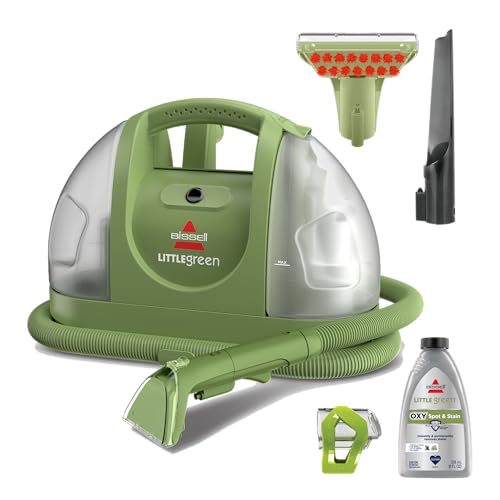
- Car floor mat extractor steam cleaner
- Wet dry vacuum for car mats
- Car mat cleaning brush stiff nylon
- Portable automotive carpet extractor
- Automatic car mat cleaning brush and scrubber kit


Before You Start
Precheck: remove mats from the vehicle, shake out loose debris, and vacuum both sides. For textured or deeply soiled mats, a stiff nylon brush helps lift embedded grit. Work in a well-ventilated area and avoid saturating carpet backing. Allow ample drying time to prevent mold growth.
Time estimates vary: light cleaning can take 15–25 minutes per set, while deep cleaning with extraction may take 45–60 minutes, plus drying time.
Step-By-Step: How To Clean Car Mats
- Remove mats and shake vigorously to dislodge dirt; wipe the vehicles’ floor with a damp microfiber to catch dust.
- Vacuum both sides using a wet dry vacuum for car mats to remove loose dirt and debris.
- Apply a cleaning solution suitable for automotive fabrics or use a portable automotive carpet extractor attachment with cleaning rinse.
- Scrub with a car mat cleaning brush stiff nylon, paying extra attention to corners and grooves where grime collects.
- Use the extractor or a spray-and-scrub method to lift oils and stains; repeat as needed for stubborn areas.
- Rinse mats with clean water or use the extractor’s rinse cycle to remove residual soap and dirt.
- Drain excess moisture and place mats on a flat surface or hang them to air-dry completely in a shaded area.
- Check for residual odor; if needed, repeat cleaning or treat with a fabric-safe deodorizer after drying.
- Reinstall mats once fully dry, ensuring correct orientation and secure mats to avoid movement while driving.
- For ongoing maintenance, repeat cleaning seasonally or after heavy use to prevent buildup.
- Store any portable cleaners properly after use to avoid mildew and preserve device life.
Troubleshooting
| Symptom | Likely Cause | Fix | Prevention |
|---|---|---|---|
| Mats stay damp after cleaning | Insufficient drying or high moisture | Increase air flow, use dehumidifier, or sun-dry if safe | Dry in shade with good ventilation |
| Soap residue on mats | Soap not fully rinsed | Run an extra rinse pass with the extractor | Rinse thoroughly after cleaning |
| Stubborn stains persist | Oil/grass/grit deeply embedded | Spot-treat with appropriate cleaner before scrubbing | Treat stains promptly |
| Mat color fading after cleaning | Harsh cleaners | Switch to fabric-safe cleaners; dilute as directed | Test in inconspicuous area first |
| Backing fabric fraying | Excessive scrubbing | Use lighter pressure and the right brush | Inspect mats for wear |
Common Mistakes
- Over-wetting the mats, which prolongs drying time and can promote mold.
- Using strong solvents that degrade carpet fibers or dyes.
- Neglecting the back of mats where dirt accumulates.
- Scrubbing too aggressively, causing fraying or mat wear.
- Reinstalling mats before they are completely dry.
Careful technique reduces wear while delivering a cleaner interior.
Tips For Best Results
- Shake out mats outdoors before indoor cleaning to minimize mess.
- Use two buckets or a rinse-and-repeat method when applying cleaners to avoid re-depositing dirt.
- For light daily cleanup, a quick vacuum followed by a wipe-down may suffice between deep cleans.
- Treat high-traffic mats with a fabric-safe protective spray after drying to repel future stains.
Call A Professional
Drivers should contact a pro if mats are severely soaked, moldy, or if upholstery beneath shows water damage. Seek professional cleaning if mats have persistent odors after repeated home treatments, or if there are structural tears in the mat backing that compromise safety.
FAQ
Can I clean car mats with a household vacuum?
Yes, a standard vacuum can remove loose dirt; for embedded stains use a dedicated car mat brush and cleaner.
Is it necessary to remove mats for cleaning?
Yes, removing mats allows thorough cleaning and drying, and helps prevent interior mess.
How long do car mats take to dry?
Drying times vary by material and climate but typically range from several hours to a full day.
What cleaner is best for rubber mats?
Use a mild soap solution or a cleaner designed for rubber to avoid damage while lifting grime.
Buying Guide
When selecting tools and supplies for car mat cleaning, consider size, noise, energy use, and compatibility with your mats. Think about the mat material (rubber vs carpet) and the level of soil typical for your vehicle. For frequent cleanups, a dedicated extractor or portable carpet system may be worthwhile, while lighter needs can be met with a brush and vacuum. Noise levels matter for home use or apartment living; look for models with quieter operation. Check controls for ease of use, such as adjustable spray, rinse, and suction settings. Placement matters: store cleaners in a cool, dry area away from direct sunlight. Compare based on cleaning power, ease of changing heads or brushes, and reservoir capacity to minimize refills.