Keeping the car interior roof clean helps maintain a fresh cabin and preserves the headliner material. This guide provides practical, step-by-step methods that use common home-cleaning tools and select car-safe products. Proper technique minimizes staining and avoids damage to delicate fabrics.
The process balances gentle cleaning with effective stain removal, aiming to lift dirt without soaking the headliner. Readers will find quick actions, a clear materials list, and troubleshooting tips to handle common issues that arise when cleaning a car’s interior roof.
Quick Answer
Use a light cleaner designed for headliner fabrics, apply with a microfiber towel, and work in small, patchy sections. For stubborn spots, employ a soft bristle detailing brush and a portable handheld steam cleaner for gentle agitation. Finish with enzyme upholstery stain remover on tough stains, then blot dry with clean towels.
What You’ll Need
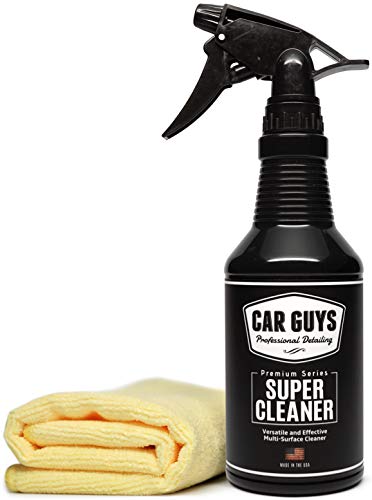
- Car headliner fabric cleaner spray or a mild, fabric-safe cleaner
- Microfiber towels for car headliner cleaning
- Soft bristle detailing brush for car interior
- Portable handheld steam cleaner for car interior
- Enzyme upholstery stain remover for car headliner


Before You Start
Inspect the headliner for loose fibers, sagging areas, or water damage. Do a spot test on an inconspicuous area of the roof liner with the chosen cleaner to ensure no discoloration occurs. Work in a well-ventilated space and avoid saturating the fabric, which can lead to swelling or paste-like residues.
Time estimate: 30–60 minutes, depending on the size of the headliner and stain intensity. Safety note: If the roof lining is sagging or the glue is failing, do not attempt aggressive cleaning, as it can worsen the damage.
Step-By-Step: How To Clean Car Interior Roof
- Open all doors to increase airflow and reduce humidity inside the vehicle.
- Gently brush loose dust with a soft-bristle detailing brush to lift surface debris before damp cleaning.
- Lightly mist the headliner with the car headliner fabric cleaner spray, keeping the nozzle at a distance to avoid oversaturation.
- Using a microfiber towel for headliner cleaning, blot the surface in small sections, working from the center outward.
- For stains, apply a small amount of enzyme upholstery stain remover for car headliner to the spot and let it sit briefly before blotting.
- If deeper cleaning is needed, use a portable handheld steam cleaner for car interior on a low, passing setting, avoiding direct contact with seams and edges.
- Continue blotting and brushing, rinsing the towel frequently to prevent re-depositing dirt.
- Allow the headliner to air dry completely with doors open or in a shaded, ventilated area.
- Check for remaining stains; repeat the stain-removal step if necessary, then blot dry again.
- Lightly brush again after drying to restore nap and texture of the fabric surface.
- Inspect for any lingering odors and consider repeating mild deodorizing steps if needed.
Troubleshooting
| Symptom | Likely Cause | Fix | Prevention |
|---|---|---|---|
| Streaks or water rings | Over-wetting or uneven cleaning | Blot with a dry towel and rewash in small sections | Use light mists and minimal saturation |
| Fabric stiffening after cleaning | Residue from cleaner or towel | Wipe with a clean, slightly damp microfiber towel | Rinse towels frequently during cleaning |
| Flaking fibers or pulled threads | Aggressive brushing or harsh cleaners | Switch to gentler brush and compatible cleaner | Test in a hidden area first |
| Persistent odor | Stains embedded in fabric backing | Reapply enzyme remover and increase airing time | Regular light cleaning and quick drying |
Common Mistakes
- Using high-pressure sprays directly on the headliner
- Over-wetting the fabric, causing sagging or glue failure
- Using harsh cleaners or bleach on delicate fabrics
- Rubbing aggressively, which can lift fibers
- Ignoring drying time, leading to mold growth
Tips For Best Results
- Always perform a spot test before full cleaning to avoid discoloration.
- Work in small sections and keep towels clean to prevent redepositing dirt.
- Use a ventilation strategy to speed up drying, such as running the car’s ventilation with windows open (when safe).
- Choose a pH-balanced cleaner designed for automotive fabrics to protect backing adhesives.
- Consider periodic maintenance cleanings to prevent buildup on the headliner.
Call A Professional
Seek professional help if the headliner is sagging, if there are large water stains, or if stains persist after multiple cleaning attempts. Stop further attempts if you notice any bubbling, glue separation, or fabric distress.
FAQ
Can I use regular household cleaners on my headliner?
It’s best to use cleaners designed for fabric cars or gentle, fabric-safe products to avoid damage.
How long does it take for the headliner to dry?
Drying typically takes 1–4 hours depending on humidity and ventilation; faster drying improves results.
Will steam cleaning ruin the headliner?
Steam can be effective in moderation but should be used cautiously to avoid over-wetting and backing damage.
How often should I clean the car roof liner?
Light maintenance every 2–3 months helps prevent heavy buildup and staining.
Buying Guide
When selecting tools and cleaners for cleaning a car interior roof, consider several factors to maximize results and protect the headliner material.
Size and accessibility: For larger vehicles, a portable handheld steam cleaner offers versatile reach without over-wetting. For dense stains, pair with a stain remover that targets fabric fibers.
Noise and ease of use: Choose options with quiet operation and simple spray or brush attachments to minimize fatigue during cleaning.
Energy efficiency and sustainability: Favor energy-efficient devices and cleaners that are safe for the environment and car interior materials.
Controls and compatibility: Ensure the cleaner spray works well on fabrics similar to your headliner and that the brush is gentle enough for delicate materials.
Placement and storage: Keep cleaning supplies in a dedicated bin or tote to prevent spills and ensure easy access.
In practice, collecting a headliner-specific cleaner, microfiber towels, a soft brush, a steam option, and an enzyme-based stain remover provides a balanced toolkit for effective at-home cleaning and upkeep.