Canopy covers add shade and shelter for outdoor spaces but can accumulate dirt, mildew, and stains over time. A well-planned cleaning routine helps extend the life of fabrics like polyester, vinyl, canvas, and other outdoor materials. This guide provides practical, step-by-step instructions and product recommendations tailored for American homes and climates.
Follow these steps to refresh your canopy cover without damaging the fabric or hardware. The focus is on safe cleaners, gentle scrubbing, and thorough drying to prevent mildew and odor from returning.
Quick Answer
Quick Method: Dry brush loose dirt, apply a mild cleaner, scrub with a soft brush, rinse with garden hose, air dry in shade, and inspect for remaining stains. For mildew or tough stains, repeat with targeted products designed for outdoor fabric.
What You’ll Need
- Polyester canopy cover cleaner spray
- Vinyl gazebo canopy cleaner detergent
- Outdoor fabric canopy cleaning brush kit
- Canvas canopy washing detergent for outdoor fabric
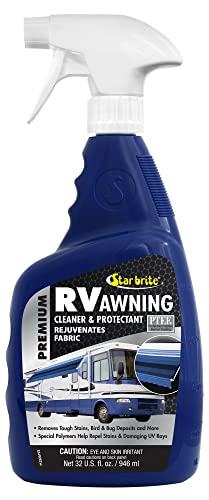
- Canopy cover mildew remover for polyester fabric


Before You Start
Prepare the workspace on a dry, sunny day with ample ventilation. Remove any detachable parts and drain water from the ribs or frame to avoid rust or warping. Test a small, inconspicuous area first to ensure the cleaner won’t cause discoloration. Work from the top down to prevent dirty water from running onto clean areas. Allow for 2–4 hours of total work time, including soaking and drying.
Step-By-Step: How To Clean A Canopy Cover
- Remove the canopy cover and shake out loose debris, then hose it down lightly to remove surface dust.
- Prepare a cleaning solution appropriate for your fabric type (polyester, vinyl, canvas) following label directions.
- Apply the cleaner evenly using a spray bottle or sponge, starting at the top and working down.
- Gently scrub with a soft brush from the outdoor fabric canopy cleaning kit, paying extra attention to stained areas.
- Rinse thoroughly with a garden hose, ensuring all soap is removed to prevent residue and streaks.
- Pre-treat stubborn mildew spots with a canopy cover mildew remover for polyester fabric and let it sit per product instructions.
- Rinse again completely, then gently shake or press out excess water before air drying.
- Hang the canopy cover or lay it flat in shade with good air circulation to dry completely.
- Inspect for remaining stains. If any persist, repeat targeted treatment on those areas only.
- Reattach to the frame once fully dry, ensuring all seams and fasteners are secure.
- Store the canopy in a dry, ventilated area to prevent mildew growth between seasons.
Troubleshooting
| Symptom | Likely Cause | Fix | Prevention |
|---|---|---|---|
| Stains persist after cleaning | Old staining or embedded mildew | Apply targeted detergent and re-clean; consider repeating | Clean promptly after use; avoid prolonged moisture |
| Fabric color fading | Harsh cleaners or prolonged sun exposure | Stop using strong solvents; switch to fabric-safe cleaners | Test area first; clean in shade when possible |
| Streaks after rinse | Soap residue | Rinse thoroughly; two-step rinse if needed | Use minimal soap and ample rinse water |
| Mildew returns soon after cleaning | Residual moisture or hidden spores | Ensure complete drying; treat with mildew remover | Dry thoroughly; store in dry conditions |
Common Mistakes
- Using harsh bleach or solvents on breathable fabrics
- Scrubbing too aggressively, causing fiber wear
- Skipping a full rinse and allowing soap to dry on fabric
- Cleaning in direct sun, which can cause dye migration or higher heat damage
Tips For Best Results
- Always check fabric care labels before choosing cleaners.
- Use a soft-bristle brush to protect fibers while lifting dirt.
- Work in sections to ensure even cleaning and easier rinsing.
- Dry fabrics completely before reassembly to prevent mildew growth.
- Store clean canopies in a dry, ventilated area to extend life.
Call A Professional
Consider a professional service if the canopy cover has extensive mildew, mold, or staining that does not respond to household cleaners. Stop cleaning and seek help if the fabric shows tears, fraying seams, or if removing stains risks fabric damage. For antique or highly valued canopies, professional cleaning can preserve color and integrity.
FAQ
What cleaner is best for polyester canopy covers?
Use a mild, fabric-safe spray designed for polyester blends and follow label directions.
Can I clean vinyl canopies with soap and water?
Yes, using a vinyl canopy cleaner detergent or mild soap with a soft sponge works well.
How do I prevent mildew after washing?
Rinse thoroughly and dry completely in shade with ample air circulation.
Is it safe to use a power washer on canopies?
Power washers can damage fabric; place a sponge on the nozzle to reduce pressure or avoid power washing altogether.
Buying Guide
When choosing products and equipment for canopy cleaning, consider size, material, and climate needs. Key buying factors include:
- Material compatibility: Select cleaners labeled for polyester, vinyl, or canvas to avoid fiber damage.
- Cleaning power vs. fabric safety: Look for mildewcide and stain-removal features that are gentle on outdoor fabrics.
- Brush kit design: A soft-bristle kit with ergonomic handles improves reach and reduces abrasion.
- Rinsing efficiency: A spray bottle or hose attachment that delivers even, low-pressure rinsing helps prevent soap residues.
- Storage considerations: Choose products with clear drying instructions to minimize moisture during storage.
Which approach fits your canopy best? For most households, starting with a gentle cleaner and a soft brush provides reliable results. If stains persist or mildew is extensive, move to targeted mildew removers and repeat the process. The goal is clean, residue-free fabric that dries quickly and looks vibrant in outdoor spaces. A well-maintained canopy cover enhances curb appeal and outdoor usability for seasons to come.