Calcium deposits, also known as limescale, can reduce water flow and efficiency in home plumbing. This guide provides practical, safe steps to remove mineral buildup using common tools and proven removers tailored for American households. The methods covered here work for residential pipes, fixtures, and hotspots where mineral scale tends to accumulate.
Quick Answer
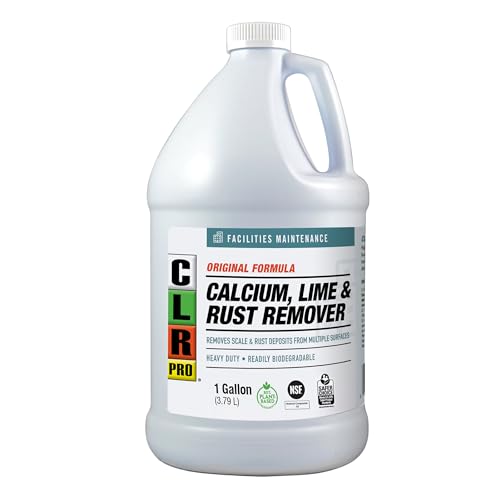
Best first step: start with a commercial calcium buildup remover designed for pipes, such as a calcium scale remover for pipes, to dissolve mineral deposits. For stubborn buildup, a gel-based pipe descaler calcium buildup remover gel provides targeted action. Always follow label directions and PPE recommendations.
What You’ll Need
- calcium scale remover for pipes
- pipe descaler calcium buildup remover gel
- home plumbing mineral deposit cleaner calcium
- eco-friendly calcium buildup remover for pipes
- automatic pipe descaler wand mineral scale
- Protective gloves and eye protection
- Old towels or rags
Before You Start
Assess the affected area: sinks, showers, and where pipes run through accessible spaces. Clear the work area of personal items and create ventilation if using chemical cleaners. Read product labels for compatibility with your pipe material (copper, PVC, PEX, etc.). Schedule a time with minimal water use to maximize cleaner contact time. Do not mix cleaners with acidic drain openers or bleach.
Step-By-Step: How To Clean Calcium Buildup In Pipes
- Turn off water supply to the area and relieve pressure by running a faucet until water stops.
- Remove any easy-access aerators or caps on fixtures to expose mineral buildup zones.
- Apply the calcium scale remover for pipes or the pipe descaler calcium buildup remover gel to the affected pipe sections as directed on the label.
- Let the cleaner sit for the recommended dwell time to soften mineral deposits. For gel products, ensure complete coverage of the buildup.
- Rinse with warm water gradually, inspecting the pipe interior for loosened scale. Repeat if necessary, using the same product or switching to a different formula if required by the instructions.
- For stubborn spots, use a non-abrasive brush or pipe cleaner to gently scrub the interior, taking care not to scratch pipe surfaces.
- Run hot water through the system to flush residues and re-check flow. If flow remains reduced, repeat treatment or apply an eco-friendly calcium buildup remover for pipes as advised.
- Reassemble fixtures, reassemble aerators, and monitor water flow over the next few days to confirm sustained improvement.
Troubleshooting
| Symptom | Likely Cause | Fix | Prevention |
|---|---|---|---|
| Slow water flow after cleaning | Residual scale or deposits | Repeat treatment with appropriate remover | Periodic cleaning schedule |
| No improvement after a single treatment | Inaccessible buildup or heavy scaling | Use a stronger gel-based descaler and ensure full coverage | Address mineral-rich water with softening or conditioning |
| Foul odor or lingering residue | Chemical residue or trapped debris | Flush system thoroughly with fresh water | Ventilate and follow label dwell times |
| Discoloration of water | Reaction with metal pipes or cleaners | Rinse immediately and run cold water to flush | Test with a small area before wide application |
Common Mistakes
- Using abrasive tools inside pipes, which can cause scratches or damage
- Overusing cleaners or mixing products without verifying compatibility
- Neglecting to vent the area and failing to wear protection
- Rushing the dwell time or skipping the final flush
Tips For Best Results
- Choose a cleaner specifically labeled for pipes to minimize risk to plumbing materials.
- For hard water areas, consider a long-term solution such as a water conditioner to reduce future mineral buildup.
- Use the automatic pipe descaler wand mineral scale for continuous protection in hard-water homes, if recommended by the manufacturer.
- Test a small section first to confirm that the cleaner does not affect seals or gaskets.
- Schedule routine maintenance to keep deposits from reaching severe levels again.
Call A Professional
Seek professional help if there is persistent blockage, recurring buildup after multiple cleanings, or if the pipes show signs of corrosion or leakage. Stop signs include sudden drops in water pressure across multiple fixtures, leaks around joints, or unusual sounds when water is running.
FAQ
Can I use regular household cleaners to remove calcium buildup in pipes?
Regular cleaners may not be effective and can damage pipes. Use products specifically labeled for calcium buildup in pipes and follow the directions carefully.
Is calcium buildup harmful to my plumbing?
Moderate mineral deposits can impede flow and efficiency; severe buildup may lead to increased pressure and potential leaks. Regular maintenance mitigates risk.
Are eco-friendly calcium removal options as effective as chemical products?
Eco-friendly removers are designed to balance effectiveness with environmental considerations. They may work differently depending on the extent of buildup and water hardness.
How often should I clean mineral deposits in pipes?
In areas with hard water, consider annual or semi-annual checks. More frequent cleaning may be necessary in homes with high mineral content.
Buying Guide
When selecting a treatment for calcium buildup in pipes, consider size and compatibility with your system, the product’s active ingredients, and the application method. Compare cleaning gels, liquids, and wand-based descalers to determine which fits your pipes (copper, PVC, PEX) and your patience for dwell times. Noise, energy use, and placement aren’t usually concerns for pipe cleaners, but ensure the product packaging provides clear instructions suitable for home use. Look for formulas that advertise eco-friendly options if environmental impact matters, and verify that the product can address the level of scale you face. If unsure, consult product documentation or a professional for a quick assessment. Do you need a short-term fix or a long-term maintenance plan to minimize future buildup? A well-chosen combination of a calcium scale remover for pipes and an optional wand descaler can offer practical, future-friendly results.