Burnt water spots on a glass or ceramic cooktop can be stubborn, but with the right methods and tools, you can restore a streak-free surface. This guide covers practical steps, safety tips, and product suggestions to help American homeowners remove mineral deposits and water burns without scratching the surface.
Whether you are a weekday cook recovering from a messy boil-over or you want to maintain a pristine kitchen, the following approach emphasizes gentle cleaning, proper timing, and correct products to protect the glass while delivering noticeable results.
Quick Answer
Use a non-abrasive cleaner designed for ceramic glass, paired with a no-scratch scraper or scrub pad and a microfiber cloth. Apply the cleaner, let it work, scrub gently, then wipe clean for a shiny, residue-free finish. Avoid harsh chemicals and abrasive tools that can dull or scratch the surface.
What You’ll Need
- ceramic glass cooktop cleaner cream
- glass stove top cleaner kit
- no-scratch scraper for glass cooktop
- microfiber cloth for glass stove top cleaning
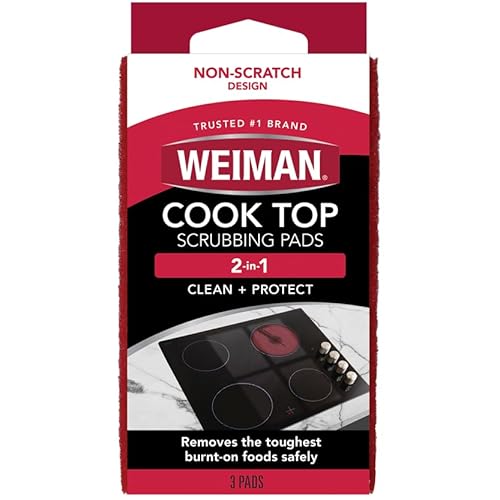
- non-abrasive scrub pad for ceramic cooktop


Before You Start
Turn off the stove and allow the surface to cool completely before cleaning. Remove any loose crumbs or debris with a dry microfiber cloth. Test cleaners on a small, inconspicuous area first to ensure no discoloration occurs. Avoid metal scrapers or abrasive pads that can scratch the glass. Prepare a well-lit workspace and keep cleaners away from children and pets.
Estimated time: 15–30 minutes from start to finish, depending on burn severity and surface condition.
Step-By-Step: How To Clean Burnt Water Off Glass Stove Top
- Cool the surface, then wipe loose debris with a dry microfiber cloth to prevent scratches during cleaning.
- Apply a pea-sized amount of ceramic glass cleaner cream or glass stove top cleaner kit onto a dampened microfiber cloth or the cleaner’s applicator.
- Spread the cleaner in a circular motion over the burnt water stains, letting it sit for 1–2 minutes to loosen mineral deposits.
- Use a non-abrasive scrub pad for ceramic cooktop to gently scrub the stained areas in small circular motions. Avoid heavy pressure.
- For stubborn spots, hold a warm, damp cloth on the area for 20–30 seconds to soften the residue before re-scrubbing.
- Wipe away the cleaner with a clean microfiber cloth, inspecting for remaining stains. If needed, repeat the application once more.
- Finish by wiping the entire surface with a dry microfiber cloth to remove any remaining moisture and buff to a shine.
- If haze remains, use a dedicated glass stove top cleaner kit to re-clean and re-buff until a clear surface returns.
- Inspect edges and seams for residual buildup; remove with the scraper only where the glass is smooth and not chipped.
- Store tools and cleaners in a cool, dry place and avoid stacking items directly on the cooktop to prevent future burn stains.
Troubleshooting
| Symptom | Likely Cause | Fix | Prevention |
|---|---|---|---|
| Stubborn mineral spots persist | Deposits baked into surface | Repeat gentle cleaning with cleaner cream and non-abrasive pad | Wipe spills promptly, use protective cleaners |
| Cloudy or streaky finish | Residue left from cleaner | Wipe with a clean, dry microfiber cloth until clear | Rinse cloth frequently; avoid over-wetting |
| Scratches appear after cleaning | Rubbing with abrasive tools | Switch to non-abrasive scrub pads and soft cloths | Follow manufacturer guidance for tools |
| Cleaner seeping into gaps | Excess liquid near control panels | Wipe excess promptly and avoid pooling | Use sparing amounts on applicators |
Common Mistakes
- Using abrasive pads or metal scrapers on the glass surface.
- Applying heavy force, which can scratch or dull the finish.
- Choosing the wrong cleaner for ceramic glass—avoid harsh solvent-based products.
- Not allowing cleaners to dwell long enough to loosen mineral deposits.
- Working on a hot cooktop; allow it to cool completely before cleaning.
Tips For Best Results
- Always finish with a clean, dry microfiber cloth to buff the surface to a shine.
- For hard-water staining, repeat treatment in sections rather than over-wetting the entire surface at once.
- Use a dedicated glass stove top cleaner kit for routine maintenance to prevent buildup.
- Schedule a light weekly wipe-down after cooking to minimize future burnt water marks.
- Store cleaning products away from heat sources and follow label directions precisely.
Call A Professional
Contact a professional if the glass surface shows crazing, deep scratches, chipped edges, or if stains persist after multiple cleanings. Do not attempt fixes that involve removing glass or pressure applications near heat elements; such actions can compromise safety and void warranties.
FAQ
Can burnt water be removed from any glass cooktop?
Most everyday burnt water stains on ceramic glass can be removed with a gentle cleaner, non-abrasive pad, and a scraper designed for glass cooktops.
What should I use to prevent future stains?
Clean spills promptly after cooking and use a protective cleaner regularly to prevent mineral buildup.
Is it safe to use vinegar or lemon on a glass cooktop?
These can be used in small amounts on glass cooktops, but avoid acidic damage to coatings; follow product directions.
How do I avoid scratches during cleaning?
Always use soft microfiber cloths and non-abrasive pads; never use metal tools on the surface.
How often should I clean my glass stove top?
Light cleaning after each use and a deeper clean monthly or as needed when mineral buildup is visible.
What should I do if stains return after cleaning?
Reassess heat settings, spills timing, and consider a more frequent maintenance routine with a dedicated cleaner kit.
Buying Guide
When choosing products for cleaning a glass stove top, consider size, compatibility with ceramic surfaces, and the level of polish you want. A good kit will include a non-scratch scraper, a non-abrasive scrub pad, and a dedicated cleaner cream or gel that is safe for ceramic glass. Look for microfiber cloths that are lint-free and designed for glass surfaces. Noise level is not a primary concern for cleaning, but ease of use and clear instructions help. Energy-efficient products aren’t typically a factor for cleaning supplies, but selecting concentrated formulas can reduce waste. For placement, store cleaners in a cool, dry cabinet away from heat. If you frequently experience mineral buildup, a routine monthly maintenance plan with the recommended kit provides the best results and keeps the glass top looking like new.