Brio water dispensers are a convenient source of clean drinking water, but routine maintenance is essential to keep them free of mineral buildup, bacteria, and odors. This guide explains practical steps for cleaning a Brio water dispenser using purpose-made products and common household tools. The process focuses on safety, efficiency, and preserving the unit’s performance.
Quick Answer
Use Brio-approved cleaning supplies such as Brio water dispenser cleaning tablets, Brio water cooler descaler, and Brio cleaning solution. Start with unplugging the unit, remove the reservoir cap, apply the cleaner according to instructions, scrub the drip tray and nozzle, rinse thoroughly, and air-dry before reinstalling. Regular maintenance every 1–3 months prevents scale and improves taste.
What You’ll Need
- Brio water dispenser cleaning tablets
- Brio water cooler descaler
- Brio water dispenser cleaning solution
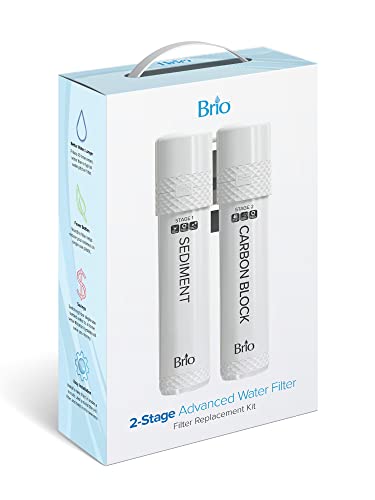
- Brio countertop water cooler maintenance kit
- Brio water dispenser cleaning brush


Before You Start
Prepare a clean workspace and have a towel handy to catch spills. Unplug the dispenser from the electrical outlet and turn off any hot-water function if present. Remove the water bottle or reservoir and detach the drip tray. Avoid using abrasive scrubbers or unknown cleaners, which can damage seals. Plan for a 30–60 minute cleaning session, plus extra time for thorough rinsing.
Step-By-Step: How To Clean A Brio Water Dispenser
- Turn off power and unplug the unit; remove any existing bottles or reservoirs to access all surfaces.
- Disassemble removable parts, including the drip tray, nozzles, and reservoir lid, following the user manual’s guidance.
- Rinse removable parts with warm water to remove loose debris, then apply Brio cleaning solution to a soft brush or cloth and scrub all interior surfaces.
- For mineral buildup, mix Brio descaler according to the product instructions and soak affected parts briefly, then scrub again with the Brio cleaning brush.
- Run a cleaning cycle by filling the reservoir with the recommended cleaning solution and dispensing it through the taps, ensuring all internal pathways are coated.
- Rinse the system by flushing clean water through the taps several times; repeat as needed until no cleaner residue remains.
- Clean the exterior surfaces with a damp cloth, paying attention to the control panel and vent areas; dry with a lint-free towel.
- Reassemble all parts, reinstall the reservoir, and run a final rinse cycle with fresh water to ensure no cleaner or descaler remains.
- Recheck seals and connections before plugging the unit back in; verify there are no leaks and the dispenser dispenses clean water.
- Monitor for any unusual odors or taste over the next few days and schedule routine maintenance accordingly.
- Record the date of cleaning in a log to maintain a regular maintenance schedule.
- Store cleaning products out of reach of children and pets, following label safety instructions at all times.
Troubleshooting
| Symptom | Likely Cause | Fix | Prevention |
|---|---|---|---|
| Unpleasant taste after cleaning | Rimited rinse; cleaner residue | Run multiple fresh-water flushes until taste is neutral | Rinse thoroughly after each cleaning session |
| Leaking seams | Loose fittings or damaged seals | Tighten connections; replace worn gaskets | Inspect seals during assembly; avoid overtightening |
| Scale buildup on nozzle | Minerals deposited over time | Use Brio descaler as directed and scrub with cleaning brush | Regular descaling per maintenance schedule |
| Dispenser not powering on | Electrical issue or safety switch | Check outlet, circuit, and safety switch; consult a professional if needed | Keep power cords dry and intact |
Common Mistakes
- Skipping a thorough rinse after cleaning, leaving cleaner residue
- Using incompatible cleaners or household bleach not labeled for Brio products
- Reassembling without drying parts, which can promote mold growth
- Not following descaler instructions, causing improper mineral removal
Taking time to rinse, drying parts completely, and using the recommended products will help prevent common issues and extend the life of the dispenser.
Tips For Best Results
- Schedule routine maintenance every 1–3 months, depending on usage and water hardness.
- Use the Brio countertop water cooler maintenance kit to simplify the process and keep parts organized.
- Label cleaning dates on the unit or a maintenance log to avoid missing cycles.
- Always start with cold-side cleaning unless the unit specifically instructs otherwise.
- After cleaning, test with a small water sample before serving to guests.
Call A Professional
Consider professional service if there are persistent leaks, unusual electrical behavior, persistent foul odor after multiple cleanings, or hardware damage beyond basic seals and hoses. Stop using the unit and contact support when there are signs of electrical hazards or water contamination concerns.
FAQ
How often should I clean my Brio water dispenser?
Most users benefit from a cleaning every 1–3 months, with descaling every 3–6 months depending on mineral content and usage.
Can I use other descalers with Brio?
Only use descalers approved by Brio or the product instructions to prevent damage to the unit.
Is it safe to run a cleaning solution through the hot-water faucet?
Follow the manufacturer’s guidance; many Brio models require cold-water cleaning, and hot-water components may require special considerations.
What should I do if water tastes strange after cleaning?
Rinse thoroughly with fresh water for several cycles and inspect for residue or mold indicators; replace filters if applicable.
What parts should be cleaned regularly?
Drip tray, nozzles, reservoir lid, hoses, and interior passages should be cleaned on the recommended schedule.
Should I unplug the unit during cleaning?
Yes, unplug before disassembly to ensure safety and prevent accidental activation of any components.
Buying Guide
When choosing cleaning and maintenance supplies for a Brio water dispenser, consider several factors to ensure effectiveness and compatibility.
- Size and compatibility: Confirm that cleaning tablets, descalers, and solutions are designed for Brio models and fit your dispenser’s reservoir type.
- Product variety: A maintenance kit that includes a cleaning brush, descaler, and cleaning solution offers comprehensive care and convenience.
- Effectiveness: Look for descalers and cleaners proven to remove mineral buildup without harsh residues.
- Ease of use: Pre-measured cleaning tablets and clear instructions save time and reduce the chance of over- or under-dosing.
- Safety: Choose products labeled for food-contact surfaces and follow safety guidelines for storage and use.
- Quiet operation and placement: If a home kitchen or office area requires quiet operation, consider the unit’s placement and any maintenance noise considerations.
- Cost of ongoing maintenance: Factor in the frequency of cleaning and descaling to estimate ongoing costs, and compare kits for value.
For most households, a Brio-specific cleaning kit streamlines maintenance, reduces the risk of improper cleaning, and keeps beverage quality high. If unsure about a product’s compatibility, consult Brio’s official guidelines or customer support before purchasing.