Preparing brick surfaces before painting ensures better paint adhesion, durability, and a cleaner finish. This guide walks through safe, effective methods using commonly available tools and products designed for brick cleaning. Readers in the United States can follow practical steps to achieve a sound, paint-ready brick surface while protecting surrounding areas.
Quick Answer
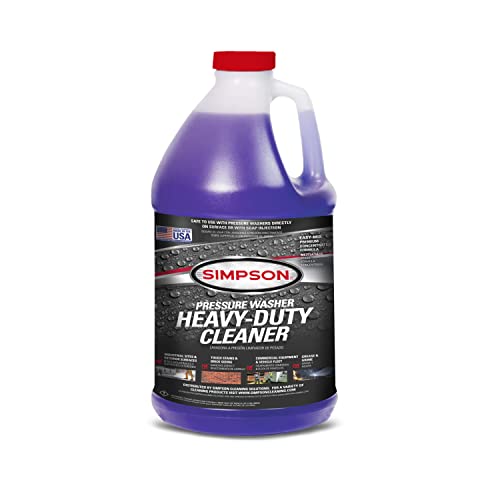
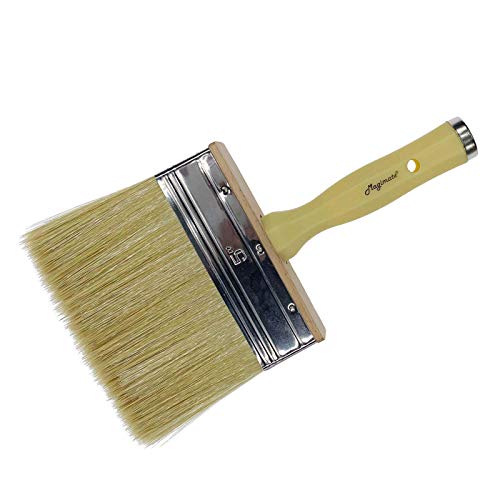
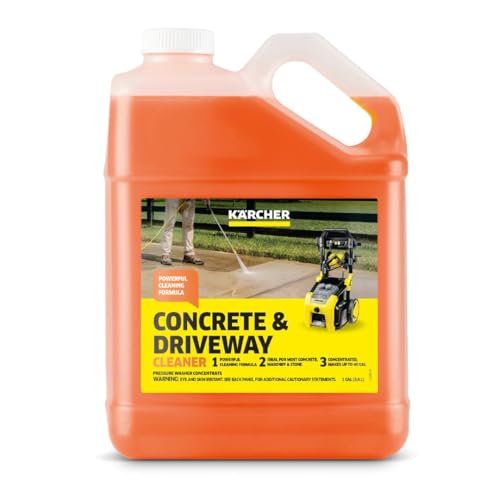
Start with a thorough inspection to identify loose mortar or damaged bricks. Use a masonry cleaner brick cleaning concentrate to loosen grime, then scrub with a brick surface prep brush for painting and a masonry scraper tool brick cleaning for stubborn patches. Finish with a gentle rinse using a pressure washer for brick cleaning set to a low pressure, keeping spray away from joints.
What You’ll Need
- Pressure washer for brick cleaning
- Masonry cleaner brick cleaning concentrate
- Brick surface prep brush for painting
- Brick cleaning wire brush masonry scrub brush
- Masonry scraper tool brick cleaning
<li optional protective gear: gloves, eye protection, and a respirator if working indoors or in dusty conditions
Before You Start
Assess the brick surface for loose or crumbling masonry. Remove plants or loose debris from the area and cover nearby landscaping to protect it from cleaners. Test a small inconspicuous area first to verify that cleaner and brush textures do not damage the brick. Plan for several steps and allow drying time between stages. Safety caution: never pressure wash too close to mortar joints; high pressure can damage brick and erode grout over time. Use cool to lukewarm water and maintain a steady, controlled spray angle.
Step-By-Step: How To Clean Brick Before Painting
- Inspect the brick surface and identify any damaged bricks or crumbling mortar. Note areas that require repointing before painting.
- Protect adjacent surfaces with drop cloths or painter’s plastic. Remove or mask window and door frames if needed.
- Apply masonry cleaner brick cleaning concentrate following the label directions. Use a small, inconspicuous area to confirm colorfastness and reaction.
- Let the cleaner dwell for the recommended time, typically several minutes, to break down grime and efflorescence.
- Use a brick surface prep brush for painting and a brick cleaning wire brush masonry scrub brush to scrub the brick in circular motions, focusing on stubborn stains without over-scrubbing mortar joints.
- For heavy buildup, employ a masonry scraper tool brick cleaning to gently lift hardened deposits. Work from the bottom up to minimize streaks.
- Rinse with a pressure washer for brick cleaning at low pressure (between 500–1200 psi, depending on brick type) and a wide spray pattern. Keep the nozzle at a safe distance and avoid jetting directly at mortar joints.
- Inspect the surface after rinsing. Repeat cleaning steps on any remaining areas, then allow the brick to dry completely, typically 24–48 hours in temperate conditions.
- Once dry, perform a final wipe to remove any remaining dust and debris. If needed, seal or prime damaged or highly porous areas before painting.
- Proceed with priming and painting according to paint manufacturer guidelines, ensuring compatibility with masonry surfaces.
Troubleshooting
| Symptom | Likely Cause | Fix | Prevention |
|---|---|---|---|
| Efflorescence remains after cleaning | Residual mineral deposits | Reapply cleaner and scrub; consider a rinse with distilled water | Address moisture sources and repoint weak joints |
| Bricks look blotchy after rinse | Uneven cleaning or drying | Evenly scrub with brush; re-rinse and allow thorough drying | Avoid uneven application of cleaners |
| Mortar erosion after cleaning | High-pressure wash or aggressive scrubbing | Lower pressure; switch to hand scrubbing for joints | Test area first; use proper brush sizes |
| Streaks or wet spots when drying | Over-wetting or poor ventilation | Increase airflow; allow longer dry time | Clean during dry, mild weather |
Common Mistakes
- Using too high pressure on brick surfaces, which can erode mortar.
- Skimping on masking and protection for surrounding areas.
- Skipping a dry time between cleaning and painting, which traps moisture.
- Not testing cleaners on a small area first, risking color changes or surface damage.
Tips For Best Results
- Work in shaded or cool conditions to keep cleaners from evaporating too quickly.
- Use a wide fan nozzle on the pressure washer to distribute water evenly.
- Rinse from top to bottom to avoid streaks, and overlap strokes for consistency.
- If efflorescence recurs, consider applying a penetrating masonry sealer after painting.
- Keep a spare brush handy for hard-to-reach areas and mortar joints.
Call A Professional
Choose a professional if the brick shows significant mortar deterioration, cracks deeper than surface scratches, or if cleaning reveals structural issues. Stop work and contact a mason or painting contractor if there are loose bricks, crumbling mortar, or craters forming after cleaning.
FAQ
What is the best order for cleaning before painting brick?
Start with inspection, masking, cleaning with concentrate, scrubbing, scraping stubborn deposits, rinsing, and drying before priming and painting.
Can I use a standard household cleaner on brick?
Household cleaners are not formulated for masonry; use a masonry cleaner brick cleaning concentrate for safety and effectiveness.
Is pressure washing necessary for brick cleaning?
Pressure washing speeds the process but should be used with caution to protect mortar joints; low pressure is usually sufficient.
How long does brick need to dry after cleaning?
Dry times vary with humidity and temperature, but 24–48 hours is typical before priming.
Do I need to seal brick after cleaning and painting?
Sealing can help reduce moisture intrusion, but ensure the chosen sealant is compatible with the paint system and masonry.
Buying Guide
Choosing the right tools and cleaners makes brick preparation more efficient and safer. Consider the following factors when selecting products for cleaning brick before painting:
Size and Coverage
Look for a pressure washer with adjustable psi and a wide nozzle to cover larger areas quickly while protecting mortar joints. For smaller projects, a handheld spray nozzle paired with a masonry cleaner can suffice.
Noise Level
Gas-powered pressure washers can be louder than electric models. If noise is a concern for nearby neighbors, opt for an electric pressure washer with a built-in quiet mode and lower decibel rating.
Energy Efficiency
Electric models typically use less energy and produce fewer emissions. Choose energy-efficient units with variable speed pumps to adjust power as needed.
Controls and Ease of Use
Look for simple spray pattern controls, adjustable pressure, and easy-access chemical injection if using cleaners. Ergonomic handles and lightweight designs reduce fatigue on larger jobs.
Placement Considerations
Portable units are ideal for ground-level cleaning, while wall-mountable or compact units help in tight spaces. For multi-story homes, ensure the unit provides consistent performance at higher elevations and consider extension wands for reach.
Compatibility with Cleaners
Verify that the pressure washer and brushes work well with masonry cleaners and avoid cleaners that can damage brick sealants or paint adhesion.
Durability and Maintenance
Choose brushes and scrapers rated for masonry work that resist bristle shedding and rust. Regular maintenance, including nozzle cleaning and hose inspection, extends tool life.