A brick backsplash adds texture and character to kitchens, but its porous surface can trap grease, grime, and fingerprints. Regular cleaning keeps it looking bright and helps prevent staining. This guide provides practical, contractor-tested steps using common tools and safe cleaners to protect the brick while restoring its natural appeal.
Whether you’re refreshing a decades-old brick wall or maintaining a newly installed backsplash, the methods below balance effectiveness with care for brick and grout. A measured approach reduces the risk of damage and minimizes mess in the cooking area.
Quick Answer
Begin with a light pass using a brick backsplash cleaner spray and a microfiber cloth to lift surface grime. For tougher stains, use a long-handle bristle scrub brush with a mild cleaner, then rinse with a damp cloth. For heavy buildup, a steam cleaner can be effective, followed by wiping with a microfiber cloth. Always test a small area first and avoid harsh acids on brick.
What You’ll Need
- Brick backsplash cleaner spray 24 oz
- Brick wall cleaner for kitchen backsplash
- Bristle scrub brush long handle brick backsplash
- Steam cleaner for brick backsplash
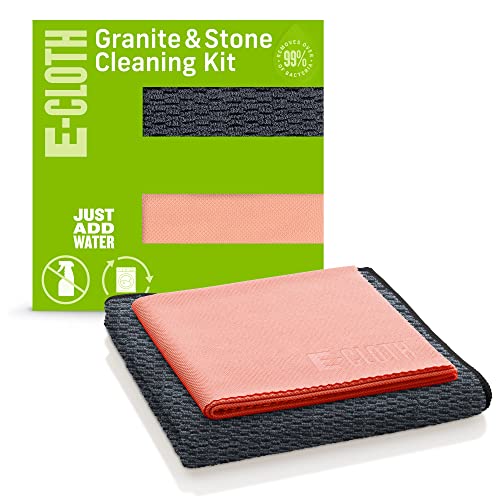
- Microfiber cleaning cloth brick backsplash


Before You Start
Protect surrounding areas with drop cloths or towels to catch splashes. Work from top to bottom to prevent dripping over cleaned sections. Ventilate the area if you use cleaning sprays. For sensitive grout, avoid high-pressure tools that could erode the mortar. Time estimates vary: a quick clean may take 15–30 minutes, while a thorough session could take up to an hour.
Caution: Do not use harsh acidic cleaners on brick surfaces; they can etch the brick and grout. Always test a small, inconspicuous spot before broader application.
Step-By-Step: How To Clean A Brick Backsplash
- Remove loose dust with a dry microfiber cloth or a vacuum attachment designed for crevices.
- Lightly mist the brick surface with a brick backsplash cleaner spray, focusing on grease-prone areas.
- Wipe with a microfiber cloth in a circular motion to lift surface grime.
- For stubborn spots, use a long-handle bristle scrub brush and a mild, non-acid cleaner. Scrub gently to avoid grout damage.
- Rinse the area with a damp microfiber cloth, ensuring all cleaner residue is removed.
- For heavy buildup, use a steam cleaner held a few inches away from the brick, then wipe with a clean cloth.
- Rinse again to remove any loosened particles, then dry with a fresh microfiber cloth to prevent streaks.
- Inspect grout lines and repeat targeted cleaning as needed. Allow the surface to dry completely.
- Optionally seal grout after complete drying to reduce future staining, following manufacturer instructions.
- Return tools to storage and vent the area to finish the cleaning process.
- Perform periodic touch-ups using a cleaner spray and microfiber cloth to maintain the finish.
- For persistent staining or efflorescence, consider a professional-grade solution or professional cleaning guidance.
Troubleshooting
| Symptom | Likely Cause | Fix | Prevention |
|---|---|---|---|
| Grey haze after cleaning | Residue from cleaner | Wipe with a damp cloth and dry thoroughly | Rinse with clean water after every cleaning |
| Stains near grout | Grease trapped in porous brick | Spot-clean with a brick backsplash cleaner spray and soft brush | Clean spills promptly to prevent setting |
| Dull brick finish | Over-wiping or using harsh cleaners | Switch to mild cleaners and avoid over-wetting | Test products on a small area first |
| Cracking grout after cleaning | Aggressive scrubbing | Use lighter pressure and a softer brush | Seal grout after thorough drying |
Common Mistakes
- Using harsh acids or bleach on brick, which can damage both brick and grout.
- Over-wetting the brick surface, leading to moisture seeping into the mortar.
- Scrubbing too aggressively, causing grout erosion or brick surface wear.
- Skipping a test spot before applying cleaners to the entire backsplash.
Sticking to mild cleaners and gentle tools minimizes wear while keeping the brick’s texture intact.
Tips For Best Results
- Develop a routine cleaning schedule to prevent heavy buildup. A light wipe-down once a week can reduce the need for intensive cleaning.
- Utilize a microfiber cloth for its high absorbency and ability to trap dust without scratching the surface.
- Keep a dedicated brush for brick cleaning to avoid transferring residue or oils from other surfaces.
- After cleaning, ensure the area dries completely to prevent moisture-related grout issues.
- For larger kitchens, break the job into zones to minimize disruption and ensure thorough coverage.
Call A Professional
Call a professional if brick staining is extensive, if the grout shows significant deterioration, or if there is any suspicion of mold growth behind the backsplash. Signs to seek expert help include persistent dampness, a musty odor, or crumbling mortar. A pro can assess the brick’s condition and recommend appropriate cleaning or restoration options.
FAQ
What cleaner is best for brick backsplashes?
A brick backsplash cleaner spray or a brick wall cleaner for kitchen backsplash paired with a microfiber cloth provides effective cleaning without harsh chemicals.
Can I use a steam cleaner on brick backsplashes?
Yes, a steam cleaner can help remove stubborn grime, but keep the nozzle at a safe distance and avoid over-wetting the grout.
Should I seal the grout after cleaning?
Sealing grout after it dries helps protect against future stains and moisture penetration.
How often should I clean a brick backsplash?
Routine light cleaning weekly is recommended, with deeper cleans every few months depending on cooking activity and grease buildup.
Are there products to prevent staining on brick?
Applying a grout sealer and keeping a sealant on the brick can slow staining and make future cleanups easier.
Is it safe to use bleach on brick backsplashes?
Bleach is generally not recommended; it can alter color and degrade mortar over time. Use milder cleaners instead.
What if the grout is damaged?
Damaged grout may require regrouting; consult a professional for assessment of structural integrity and repair options.
Buying Guide
When selecting cleaning tools and products for a brick backsplash, consider size and layout, typical grease levels, and the room’s ventilation. For most homes, a 24 oz brick backsplash cleaner spray provides enough coverage for regular maintenance. A long-handle bristle brush enables reach in tall backsplash areas, while a steam cleaner offers an advanced option for tough buildup. Microfiber cleaning cloths deliver efficient, lint-free drying and streak-free results. Look for products labeled safe for stone and brick to protect mortar and tile grout. Finally, pairing a good cleaner with a dedicated cleaning regimen reduces staining and preserves the brick’s texture and color over time.