Maintaining a clean shower floor is essential for hygiene and preventing mold and mildew buildup. This guide walks American readers through practical, step-by-step methods using common cleaning tools and targeted products to reach and refresh the shower floor, grout, and drain with confidence.
Whether you have tile, stone, or composite surfaces, a careful routine keeps the bottom of the shower looking fresh and reduces the need for harsh chemicals. The following sections detail simple strategies, safety considerations, and pro tips to achieve a spotless shower floor.
Quick Answer
Target the grout and floor with a stiff-bristle scrub brush for stubborn grime, use a shower floor steam cleaner for deep grout cleaning, and finish with a slim shower squeegee to prevent water spots. For drains, a curved-head drain cleaning brush helps clear hair and buildup. Repeat regularly for best results.
What You’ll Need
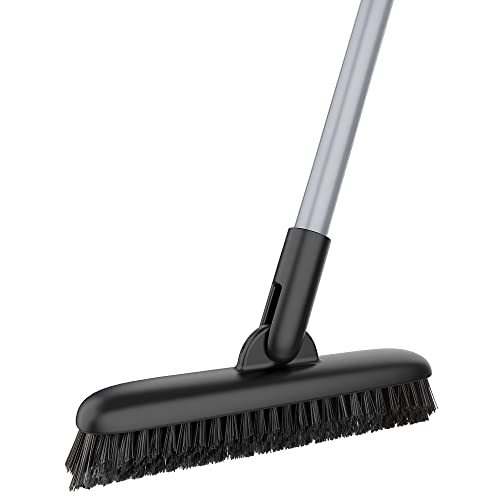
- Stiff-bristle shower floor scrub brush long-handled stainless steel
- Tile grout cleaning brush with extension pole for shower floor
- Shower floor steam cleaner for tile grout
- Slim shower squeegee for shower floor and doors
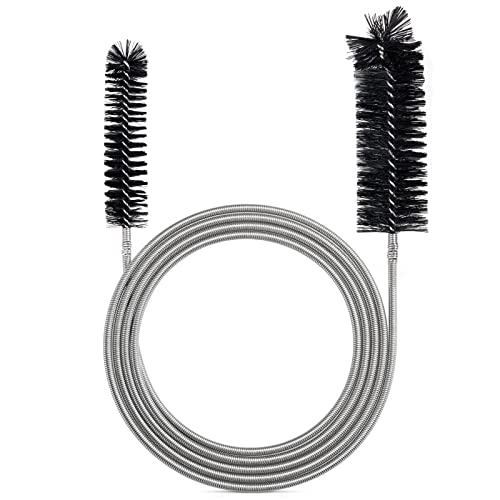
- Drain cleaning brush with curved head for shower drain

Before You Start
Inspect the shower area for loose tiles or cracked grout. Ventilate the bathroom and wear gloves to protect skin from cleaners. Cover nearby surfaces to prevent splashes. Time estimate: 20–45 minutes per session, depending on grime level. Never mix bleach with ammonia or acids, and follow product labels for safe use.
Step-By-Step: How To Clean The Bottom Of The Shower
- Remove loose debris from the shower floor using a dry towel or broom.
- Apply a preventative cleaner or dedicated tile grout cleaner along the grout lines and floor seams.
- Use the stiff-bristle shower floor scrub brush long-handled stainless steel to scrub the tile and grout with firm, circular motions.
- Switch to the tile grout cleaning brush with extension pole for shower floor for hard-to-reach corners and stubborn grout lines.
- Rinse thoroughly with warm water, inspecting areas that still show discoloration.
- For deep grout cleaning, operate the shower floor steam cleaner for tile grout according to the manufacturer’s instructions, paying attention to steam angle and distance.
- Use the slim shower squeegee for shower floor and doors to remove moisture from the floor, tiles, and door seals, reducing mold risk.
- Address the drain by inserting the drain cleaning brush with curved head for shower drain into the drain and rotating to dislodge hair and buildup.
- Rinse again, then dry the surface with a clean towel and allow the area to air dry fully.
- Place a maintenance schedule: light weekly wipe-down and deeper clean every 1–2 weeks, depending on use and hardness of water.
- Reassess grout color and texture after cleaning; regrout or seal as needed to prevent future staining.
Troubleshooting
| Symptom | Likely Cause | Fix | Prevention |
|---|---|---|---|
| Persistent dark grout lines | Mildew buildup | Apply a mildew cleaner and scrub; repeat as needed | Ventilate, dry surfaces after use |
| Scrub brush won’t reach corners | Limited access | Switch to extension poles or the long-handled tools | Clean regularly to avoid heavy buildup |
| Streaks after rinsing | Hard water deposits | Use a vinegarly rinse (or commercial descaler) and re-rinse | Wipe dry after each shower |
| Drain slow to drain | Hair accumulation | Clean with a curved-head drain brush; flush with hot water | Use a drain grate and routine maintenance |
Common Mistakes
- Using overly abrasive tools on delicate tile or grout, causing gaps or scratches
- Neglecting the grout lines, focusing only on the floor surface
- Rushing the rinse, leaving soap scum that then bakes onto the tile
- Not ventilating the bathroom, which slows drying and promotes mold
Tips For Best Results
- Schedule regular light cleanings to prevent heavy buildup.
- Test cleaners on a small inconspicuous area first to avoid staining.
- Use hot water when rinsing to improve contaminant removal without damaging grout seals.
- Pair a steam-cleaning approach with periodic scrubbing for deep grout refreshment.
- Keep a dedicated set of tools for the bathroom to avoid cross-contamination with other areas.
Call A Professional
Consult a pro if the shower floor shows persistent deep stains, major grout deterioration, cracked tiles, or persistent mold growth that reappears after cleaning. Stop work if you notice water damage, loose tiles, or strong chemical fumes during cleaning.
FAQ
Can I use household bleach to clean shower grout?
Bleach can be effective against mildew on grout, but it should be used with caution and never mixed with ammonia. Always follow label directions and ventilate the area.
How often should I deep-clean the shower floor grout?
Deep cleaning every 1–2 weeks is typical for high-traffic bathrooms, with lighter maintenance between sessions.
Will steam cleaning damage grout or tiles?
Steam cleaners are generally safe when used as directed on sealed grout; avoid prolonged steam exposure on unsealed or delicate surfaces.
What routine maintenance prevents mold growth?
Regular drying after use, prompt cleaning of soap scum, and periodic re-sealing of grout help prevent mold growth.
Is sealing grout necessary after cleaning?
Sealing grout can extend its life and resistance to stains; re-seal according to grout type and manufacturer recommendations.
What should I do if the drain is clogged after cleaning?
Use the curved-head drain brush to remove hair and buildup, then flush with hot water or a manufacturer-approved cleaner.
Are there eco-friendly cleaners for bathroom grout?
Yes, many water-based or enzyme cleaners are available that reduce chemical impact while maintaining cleaning power.
Buying Guide
Choosing the right tools to keep a shower floor clean involves considering surface type, maintenance frequency, and accessibility. These factors help determine the best combination of brushes, extension poles, steam cleaners, and drains tools for a safer, cleaner shower.
Key buying factors include size and reach of the scrub tools, noise level and energy use for steam cleaning, and the ease of storage. Look for corrosion-resistant handles, ergonomic grip, and interchangeable heads for versatility. Consider how often you will perform maintenance and whether you prefer steam-based or chemical-based cleaning methods. Finally, ensure compatibility with your shower’s tile and grout type to maximize results and minimize damage.