block=”true”>Block paving adds curb appeal and durability to driveways, patios, and paths. When a full-pressure wash isn’t an option, a careful, methodical approach can restore color and remove stains without damaging the surface. This guide focuses on practical, store-bought tools and common cleaning solutions that work well on typical concrete or clay block pavers.
block=”true”>With the right technique, routine cleaning can extend the life of the paving and reduce buildup around joints. The goal is to loosen dirt, moss, and algae, then rinse away debris without high-pressure spray that can erode joints or loosen sand between pavers.
Quick Answer
Fast method: Sweep loose debris, apply a masonry block paving cleaning solution, scrub with a stiff-bristle brush, treat joints with a dedicated joint cleaner, rinse thoroughly, and repeat as needed. Use a handheld scrub brush for tight areas and a joint cleaner with applicator to target stubborn joints.
What You’ll Need
- Block paving cleaning brush with stiff bristles
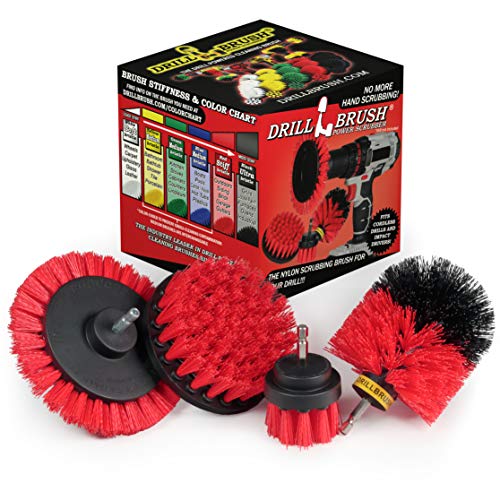
- Handheld scrub brush set for concrete patio
- Joint cleaner for block paving with applicator
- Masonry block paving cleaning solution spray


Before You Start
Assess the paving for loose sand between the joints and any weed growth. Remove furniture and clear the area. Wet the surface lightly to prevent dust from becoming airborne. Work in shaded or cool hours to prevent cleaners from drying too quickly. Wear gloves, eye protection, and sturdy footwear to protect against splashes and slippery surfaces. Plan for a multi-step process and allow ample time for brushing and rinsing.
Step-By-Step: How To Clean Block Paving Without A Pressure Washer
- Remove debris using a stiff brush or broom to lift leaves, dirt, and loose sand from the surface and joints.
- Apply cleaner to the surface following the product directions. Use the masonry block paving cleaning solution spray for even coverage and minimal mess.
- Scrub the paving with the block paving cleaning brush with stiff bristles, working in small sections and using a firm, non-abrasive motion to lift stains.
- Target joints with the joint cleaner for block paving with applicator. Apply along the lines between pavers and scrub to loosen embedded grime.
- Rinse with clean water using a watering can or spray nozzle. Rinse from the higher edge down to push debris toward the center for easy collection.
- Reassess and repeat. If stains persist, reapply cleaner to the affected area and repeat the brushing and rinsing steps.
- Neutralize and protect once the area is clean, and consider sealing the joints to slow future staining and weed growth.
- Allow drying completely before returning furniture or walking on the surface to prevent tracking of cleaner residue.
- Spot-check edges for any remaining algae or moss growth and treat again if needed, focusing on shaded corners where moisture collects.
- Optional refresh consider repeating every 6–12 months to maintain appearance and prevent buildup.
Troubleshooting
| Symptom | Likely Cause | Fix | Prevention |
|---|---|---|---|
| Stubborn stains remain after scrubbing | Deep-set oil or tannin stains | Reapply cleaner, increase agitation on affected area | Address spills promptly; use a protective sealant |
| Joints look weathered or sand is washing out | Joint sand loss or worn joints | Re-sand joints and seal surface | Perform routine maintenance and re-sand after cleaning |
| Surface looks slippery after cleaning | Residue from cleaner | Rinse thoroughly; repeat rinse with clean water | Avoid leaving cleaner on surface; follow product directions |
| Moss returns quickly in shade | Persistent moisture and shade | Use moss-killing cleaner and trim nearby vegetation to reduce shade | Improve airflow and sunlight exposure where possible |
Common Mistakes
- Using a high-pressure spray on block pavers, which can loosen sand and damage the joints.
- Choosing an overly aggressive brush that scratches the surface.
- Over-wetting the area, which can push dirt into joints instead of lifting it out.
- Skipping the joint maintenance step, leading to rapid re-staining.
Tips For Best Results
- Work in manageable sections to ensure even cleaning and minimize drying time.
- Test cleaner on a small, inconspicuous patch before full application.
- Keep joint lines clear by brushing along the same direction; avoid cross-scrubbing that can push dirt into gaps.
- Consider sealant after cleaning to reduce staining and weed growth between pavers.
- Temperature matters: choose a cool, overcast day to prevent cleaners from drying too fast.
Call A Professional
If block paving shows severe staining, significant sand loss between joints, or widespread moss growth despite repeated cleaning, a professional can assess the substrate, re-sand joints, and apply appropriate sealants. Stop and call a pro if you notice cracked or loose pavers, soil movement, or efflorescence that doesn’t respond to standard cleaning methods.
FAQ
Can I clean block paving without any cleaners at all?
Yes. A thorough brushing with water and a stiff-bristle brush can remove surface dirt, but cleaners help lift stubborn stains and algae more effectively.
Is it safe to use household bleach on block paving?
Bleach can damage some joint sand and paver surfaces. If used, dilute it according to label directions and rinse thoroughly.
How long should block paving dry after cleaning?
Avoid heavy use for 24–48 hours to ensure joints settle and surfaces dry completely.
Should I seal block paving after cleaning?
Sealing can protect against stains and deter weed growth, but consult the manufacturer’s guidance for compatibility with your pavers and cleaning products.
Buying Guide
Choosing the right tools and products makes a big difference in results. Consider the following factors to select effective options for cleaning block paving without a pressure washer.
- <bSize and type of pavers: Concrete, clay, and natural stone require different cleaners and scrubbing intensity. Check manufacturer guidelines for compatibility.
- <bNoise level and ease of use: Handheld brushes and spray cleaners are quiet and flexible, suited for small to medium areas.
- <bEnergy efficiency is less about the tools themselves and more about minimizing water usage and reusable methods. Choose concentrated cleaners that reduce waste.
- <bControls and applicators: A cleaner with an integrated spray applicator or a dedicated joint cleaner with an applicator can improve precision and reduce waste.
- <bPlacement Consider outdoor storage and easy access to water. Keep cleaners away from children and pets, and store brushes and scrapers near the cleaning area for efficiency.
- <bMaintenance Look for tools that resist wear, especially stiff-bristle brushes that maintain shape after multiple uses and exposure to detergents.
- <bCost and availability Compare kit options that include a brush, a handheld scrub brush set, and a joint cleaner with applicator to minimize total purchases.
With the right approach and tools, cleaning block paving without a pressure washer is practical and effective. Would you like tips tailored to a specific paver type or stains you’re dealing with?