Cleaning a Blackstone griddle with a pumice stone is a practical method for removing stubborn carbon buildup and grease while preserving the griddle surface. This technique leverages the abrasive yet gentle action of a pumice stone designed for flat top grills. Proper use can extend the life of the surface and improve heat distribution for better cooking results.
Below is a structured, user-friendly guide that covers tools, safety, step-by-step instructions, troubleshooting, and maintenance tips to keep the griddle spotless between cooks.
Quick Answer
Best quick method: While the griddle is hot, scrub with a damp pumice stone in circular motions to lift burnt-on residue, then wipe with a clean cloth. For stubborn spots, repeat with a slightly damp stone and re-season the surface afterward.
What You’ll Need
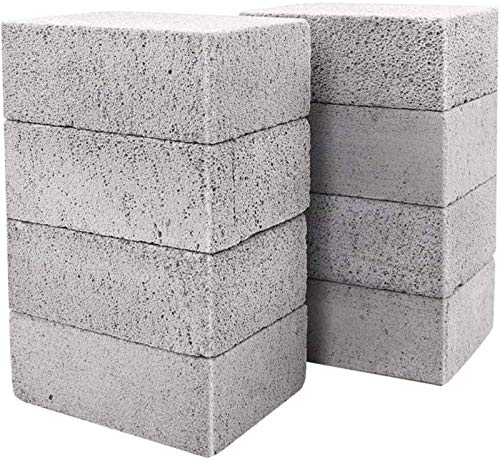
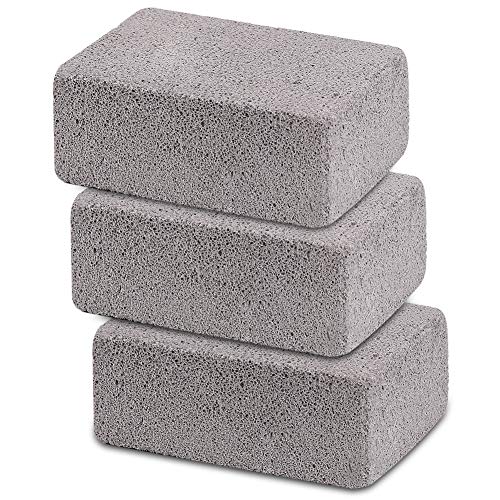
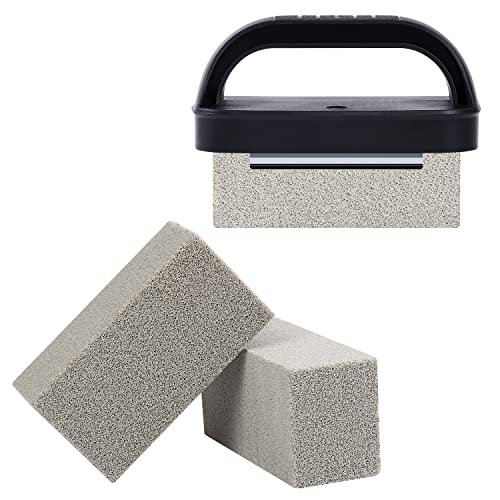
- Pumice stone for cleaning flat top grill griddle or Blackstone griddle cleaning pumice stone
- Pumice brick for flat top grill cleaning
- 4-inch pumice stone grill cleaner
- Cast iron/griddle scrubber pumice stone abrasive
- Water (preferably warm)
- Paper towels or a clean cloth
Before You Start
Prepare a clean, well-ventilated area and ensure the griddle is at a safe temperature. The surface should be hot enough to loosen carbon but not so hot that the stone splashes. Wear heat-safe gloves and avoid using metal tools that can gouge the surface. Work only on the cooking surface and keep flammable items away from the grill. Plan for a 20–40 minute cleaning session depending on buildup.
Step-By-Step: How To Clean A Blackstone Griddle With Pumice Stone
- Power off the grill and let the surface cool to a workable temperature, then wipe loose debris with a dry cloth.
- Heat the griddle to a moderate state (around 250–300°F) to soften stuck-on residues.
- Dip the pumice stone in warm water and wring lightly to dampen; avoid soaking the stone.
- Gently scrub in circular motions across the surface, focusing on dark, crusty areas without applying excessive pressure.
- Rinse the stone periodically to remove debris and reveal cleaner metal beneath.
- Continue until most residue lifts; wipe the area with paper towels to inspect progress.
- If stubborn patches remain, re-wet the stone and re-scrub those zones carefully.
- Once clean, apply a thin layer of oil over the surface to protect against rust and to season the griddle.
- Heat briefly to polymerize the oil, then wipe away any excess with a clean cloth.
- Turn off the grill, let it cool, and perform a final wipe-down for shine and evenness.
- Store the pumice stone in a dry place away from moisture to prevent mold growth.
- Document any persistent staining or uneven heating that may require additional maintenance.
Troubleshooting
| Symptom | Likely Cause | Fix | Prevention |
|---|---|---|---|
| Residue remains after scrubbing | Especially baked-on material | Repeat scrubbing with damp pumice; increase time slightly | Preheat and scrape after each cook |
| Streaks or dull patches | Uneven oil layer or mineral buildup | Re-season lightly and re-clean | Regular maintenance schedule |
| Scratches or gouges on surface | Excessive pressure or use of abrasive tools | Switch to gentler technique and use soft cloth for finish | Avoid metal scrubbers on the surface |
| Stone wears down quickly | Stone too dry or used too aggressively | Keep stone damp but not soaked; ease pressure | Inspect stone condition before each use |
Common Mistakes
- Using metal brushes or harsh steel tools on the surface, which can gouge the finish.
- Letting the griddle overheat while scrubbing, increasing risk of warping or uneven seasoning.
- Not dampening the pumice stone properly, causing ineffective cleaning or excessive surface friction.
- Neglecting to re-season after cleaning, which can lead to rust and sticking in future cooks.
Mindful technique helps maintain a smooth, non-stick surface and improves longevity of the griddle.
Tips For Best Results
- Combine hot scrubbing with a light oil finish to form a protective polymer layer.
- Test the pumice stone on a small area first to gauge abrasion level.
- Keep a clean zone around the grill to prevent cross-contamination of food residues.
- Schedule periodic deep cleanings to prevent heavy buildup from forming again.
- Rotate cleaning tasks between cooks for consistency and efficiency.
Call A Professional
Seek professional help if the griddle shows deep pitting, significant warping, or persistent rust despite regular cleaning. If the surface loses its non-stick feel or exhibits irregular heating that cannot be resolved with maintenance, a professional assessment is advised.
FAQ
Can I use a pumice stone on all Blackstone griddles?
Yes, pumice stones are suitable for most flat top griddles, including Blackstone models, when used gently and correctly.
Is a pumice stone safe for cast iron griddles?
Yes, but avoid excessive pressure and ensure the stone is used as part of a heat-assisted cleaning routine.
How often should I clean my griddle with a pumice stone?
Moderate buildup may require cleaning after every few uses; heavy or baked-on residue may need more frequent sessions.
What should I do after cleaning?
Always re-season the surface with a light oil and wipe clean to maintain non-stick properties.
Are there alternatives to pumice stones?
Scrapers, non-metal scrubbers designed for flat tops, or dedicated griddle cleaners can be used as alternatives depending on the buildup and surface finish.
Buying Guide
Choosing the right cleaning tool for a Blackstone griddle involves several factors. Start with the pumice stone’s size and granularity to balance effective cleaning with surface safety. Look for a stone explicitly labeled for flat top grills to ensure compatibility with seasoning layers. Consider a pumice brick for larger surfaces or heavier buildups. Noise level is generally not a concern with stone cleaning, but ease of handling and grip matters for safety.
Key buying factors include size, surface finish compatibility, and ease of use. A compact 4-inch pumice stone offers precise control on small areas, while larger blocks speed up big jobs. Assess energy efficiency in terms of the effort needed to achieve a clean surface; a well-chosen pumice stone reduces extended scrubbing and helps maintain a consistent heat profile. Choose tools that feel comfortable during use and store them in a dry, clean area.
Placement considerations involve keeping cleaning products accessible near the grill but out of reach of children. If possible, have a dedicated cleaning station with towels and a water source. When comparing options, review customer feedback on durability and abrasive quality to ensure the stone won’t degrade quickly.